

サイエンス
乱暴な運転がEVバッテリーの寿命を2.5倍速で奪う
広州のEV15台の実走データ1年分を物理整合型因果推論で分析した結果、最も攻撃的な運転スタイルはエコ運転と比べて約2.5倍のバッテリー容量劣化をもたらすと予測された。温度や充電状態の影響を統計的に分離した初の試みの一つだが、1,000サイクル後の数値はモデル予測であり実測ではない。

Nature Portfolioが発行する学術雑誌。自然科学、心理学、医学、工学のあらゆる領域を対象とし、厳格な査読プロセスを経て、信頼性の高い研究成果を世界に公開している。
広州のEV15台の実走データ1年分を物理整合型因果推論で分析した結果、最も攻撃的な運転スタイルはエコ運転と比べて約2.5倍のバッテリー容量劣化をもたらすと予測された。温度や充電状態の影響を統計的に分離した初の試みの一つだが、1,000サイクル後の数値はモデル予測であり実測ではない。
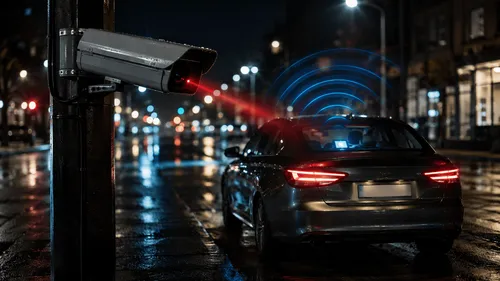
車両のナンバープレートと電子機器の信号を紐付ける監視システム「SignalTrace」は、特定の個人を追跡する能力を持つ。信号自体に氏名は含まれないが、移動パターンの解析により、警察が個人の身元や人間関係を容易に特定できる懸念がある。
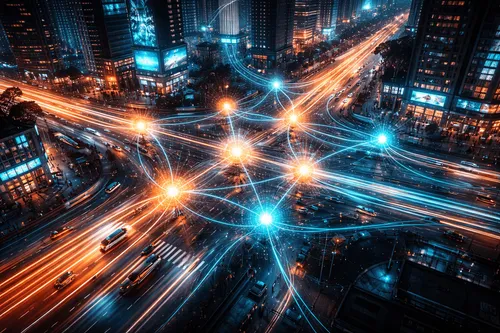
渋滞のダイナミクスを演算能力に変換するパラダイムシフト 現代社会において、人工知能(AI)の進化は目覚ましい。しかし、大規模なニューラルネットワークの学習と運用には、膨大な電力と高性能なハードウェアが不可欠であり、これが […]
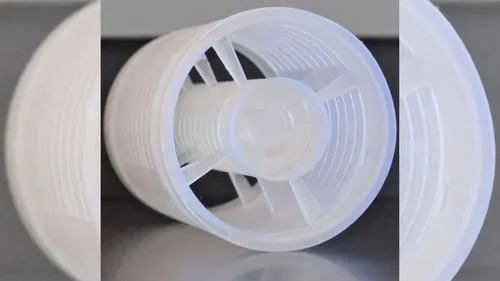
現代社会、特に都会で生活している人々にとって悩みの種でもある騒音問題。しかし、その解決策はしばしば「換気」という、私たちの快適な生活に不可欠な要素と衝突してきた。窓を閉めれば静かになるが、空気はこもる。このジレンマに、ボ […]
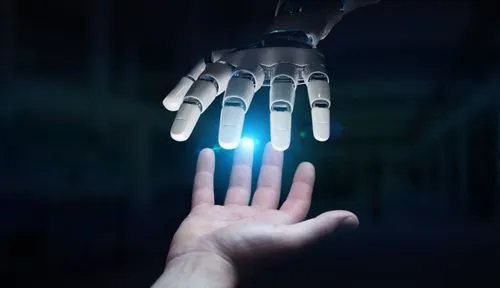
「人工知能(AI)が仕事を奪い、人間を不幸にする」——。そんなディストピア的な言説が、連日のようにメディアを賑わせている。AmazonやGoogleといった巨大テック企業がAIによる効率化を理由に人員削減を示唆し、私たち […]

西暦79年のヴェスヴィオス山噴火で命を落とした若い男性は、500℃以上の高温の火山ガス雲に襲われ、その過程で脳の一部がガラス化したと新たな研究で明らかになった。 この男性の遺骸は1961年に発見され、2020年に研究者た […]
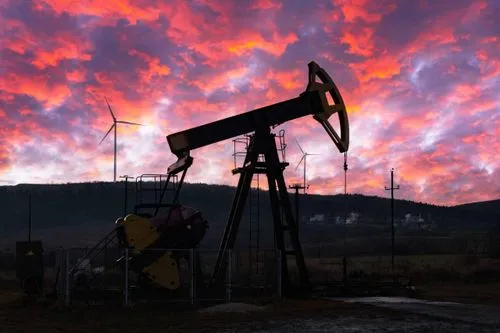
スマートフォンや電気自動車(EV)など、電力により駆動するデバイスのバッテリーには、そのほとんどにリチウムが用いられており、国家戦略上でも重要な資源と位置づけられている。そのほとんどはオーストラリアの鉱山や、チリの塩湖で […]
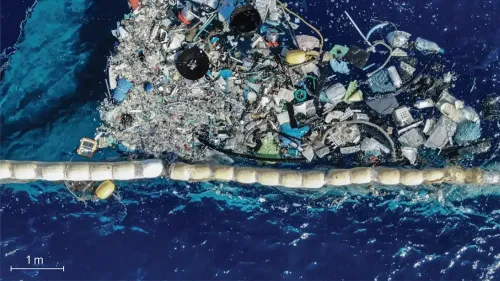
海洋プラスチック問題は現在進行中だが、これらのゴミが一体どこから来ているのかを明らかにすることは、問題を解決する一助となるだろう。 我々の国、日本が接する太平洋には、「太平洋ゴミベルト」と呼ばれる、海流の影響によって海洋 […]
One of the most important bioactive components of breast milk are free breast milk oligosaccharides, which are a source of energy for commensal intestinal microorganisms, stimulating the growth of Bifidobacterium, Lactobacillus, and Bacteroides in a child’s digestive tract. There is some evidence that maternal, perinatal, and environmental-cultural factors influence the modulation of the breast milk microbiome. This review summarizes research that has examined the composition of the breast milk microbiome and the factors that may influence it. The manuscript highlights the potential importance of the breast milk microbiome for the future development and health of children. The origin of bacteria in breast milk is thought to include the mother’s digestive tract (entero-mammary tract), bacterial exposure to the breast during breastfeeding, and the retrograde flow of breast milk from the infant’s mouth to the woman’s milk ducts. Unfortunately, despite increasingly more precise methods for assessing microorganisms in human milk, the topic of the human milk microbiome is still quite limited and requires scientific research that takes into account various conditions.
Over the past 30 years, a significant increase in the prevalence of insulin resistance (IR) has been observed. It is associated with more frequent occurrence of impaired glucose tolerance, diabetes, excessive weight, cardiovascular diseases, and endocrine disorders. The results of current studies do not indicate a necessity to exclude dairy products from the diet of insulin-resistant individuals. In addition, it has been found that moderate amounts of alcohol as part of a balanced, low-energy diet do not have a negative effect on insulin sensitivity. The authors of recent studies emphasize the importance of reducing the intake of simple sugars, especially from sweet drinks, sweets and excessive fruit juice consuption. Many studies have demonstrated the beneficial effects of consuming complex, low-glycemic-index carbohydrates that are rich in dietary fiber. An insulin-resistant patient's diet should be rich in whole grains and high amounts of non-starchy vegetables and raw fruit. The beneficial effect of the Dietary Approaches to Stop Hypertension (DASH diet) and the Mediterranean diet has been confirmed. The positive correlation between low-carbohydrate and very-low-carbohydrate diets requires confirmation in long-term studies with the participation of insulin-resistant patients. Research shows the benefits of increased calorific intake during the first half of the day, especially from a high-energy and low-glycemic-index breakfast. Furthermore, many researchers indicate that slow and mindful eating is a significant component of an appropriate diet for insulin-resistant individuals.
Abstract Publications addressing aluminum (Al)-induced reproductive toxicity were reviewed. Key details were compiled in summary tables. Approximate systemic Al exposure, a measure of bioavailability, was calculated for each exposure, based on the Al percentage in the dosed Al species, Al bioavailability, and absorption time course reports for the exposure route. This was limited to laboratory animal studies because no controlled-exposure human studies were found. Intended Al exposure was compared to unintended dietary Al exposure. The considerable and variable Al content of laboratory animal diets creates uncertainty about reproductive function in the absence of Al. Aluminum-induced reproductive toxicity in female mice and rats was evident after exposure to ≥25-fold the amount of Al consumed in the diet. Generally, the additional daily Al systemic exposure of studies that reported statistically significant results was greater than 100-fold above the typical human daily Al dietary consumption equivalent. Male reproductive endpoints were significantly affected after exposure to lower levels of Al than females. Increased Al intake increased fetus, placenta, and testes Al concentrations, to a greater extent in the placenta than fetus, and, in some cases, more in the testes than placenta. An adverse outcome pathway (AOP) was constructed for males based on the results of the reviewed studies. The proposed AOP includes oxidative stress as the molecular initiating event and increased malondialdehyde, DNA and spermatozoal damage, and decreased blood testosterone and sperm count as subsequent key events. Recommendations for the design of future studies of reproductive outcomes following exposure to Al are provided.
Does this sentence need citation? In this paper, we introduce the task of citation worthiness for scientific texts at a sentence-level granularity. The task is to detect whether a sentence in a scientific article needs to be cited or not. It can be incorporated into citation recommendation systems to help automate the citation process by marking sentences where needed. It may also be useful for publishers to regularize the citation process. We construct a dataset using the ACL Anthology Reference Corpus; consisting of over 1.1M "not_cite" and 85K "cite" sentences. We study the performance of a set of state-of-the-art sentence classifiers for the citation worthiness task and show the practical challenges. We also explore section-wise difficulty of the task and analyze the performance of our best model on a published article.