


According to a report by Bloomberg's Mark Gurman, the launch timing for Apple's next-generation MR headset, the Vision Pro 2, is expected to fall between autumn 2025 and spring 2026. While maintaining a design similar to the current model, Apple plans to significantly enhance the device's internal performance.
Apple Vision Pro 2: Performance Boost with M5 Chip and Market Launch Timing
The original Apple Vision Pro debuted in 2023 at a steep price of $3,500, drawing attention as a new device category for Apple. However, reports emerged shortly after launch that development of a higher-tier successor, the "Apple Vision Pro 2," was already underway. According to Gurman's latest report, this second-generation headset is expected to hit the market sometime between fall 2025 and spring 2026.
A key feature of the Apple Vision Pro 2 is that it will significantly boost performance by adopting the new M5 chip (Japanese). The original model used the M2 chip, which was Apple's latest at the time, but with the subsequent release of the M3 and M4 chips, the current model has come to feel somewhat dated. This upgrade will allow Apple to position the Vision Pro 2 with cutting-edge specifications for its era, and the processor's performance improvements are expected to be noticeably tangible.
Preserved Design, Evolved Features: The Look and New Capabilities of Vision Pro 2
The Apple Vision Pro 2 is said to retain nearly the same exterior design as the original model, while incorporating important internal improvements. According to Gurman, Apple is currently evaluating the future direction of its entire Vision headset lineup and considering multiple design options, with at least one next-generation model expected to maintain an appearance nearly identical to the current design. The main improvements are internal, focusing on enhanced processing power from the latest processor and the addition of new features.
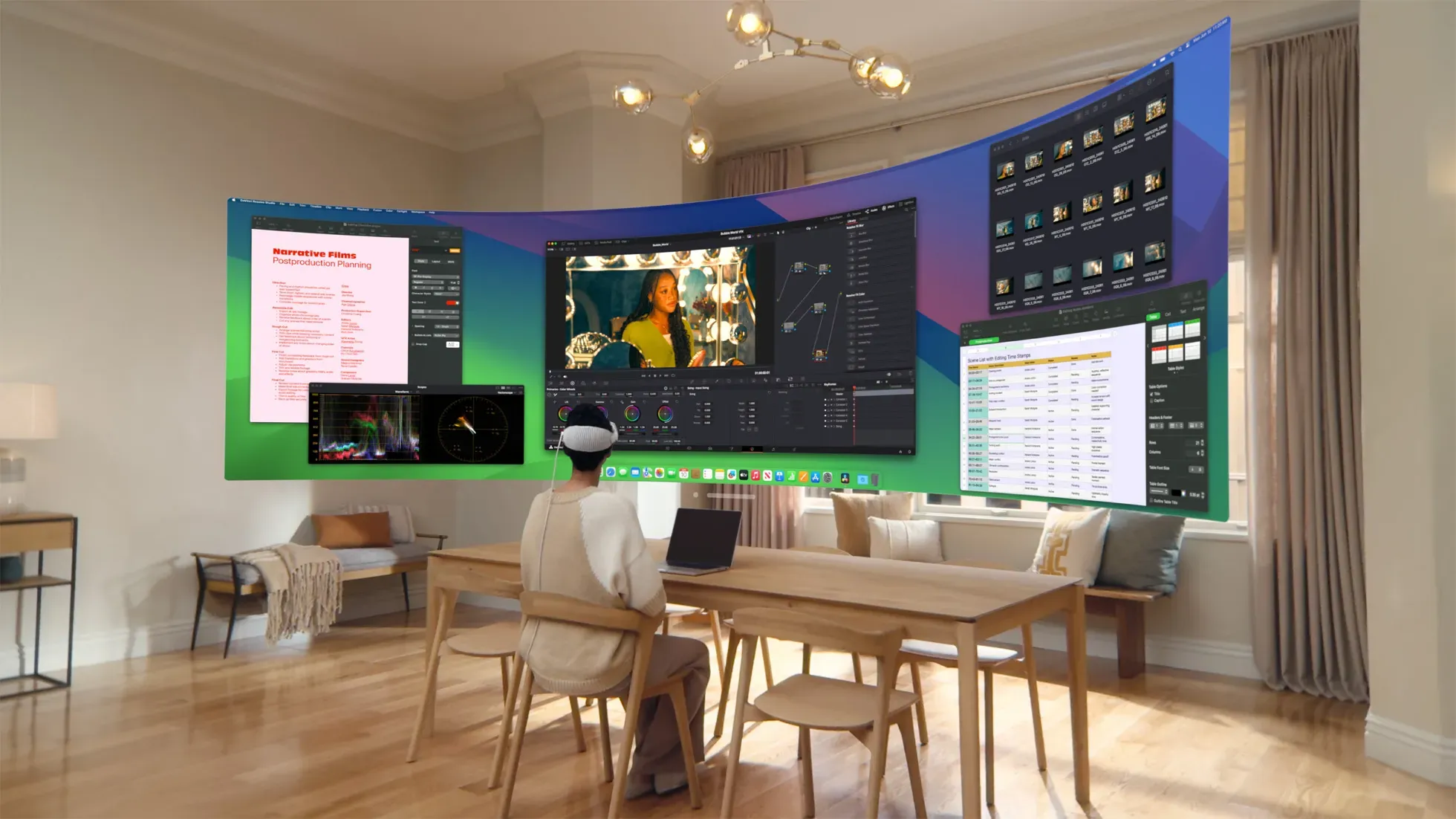
Additionally, Apple is advancing initiatives to expand the potential of MR headsets through the ultra-wide monitor mode and wide-area display options offered in visionOS 2.2. This will further improve the convenience of using the Vision Pro as an external display for Mac, enabling more users to incorporate it into their daily work.
Delay of Apple's Budget Model Plans and Growing Interest in the Smart Glasses Market
Apple is reportedly delaying its originally planned lower-cost Vision headset (Japanese) until 2027 or later. According to supply chain analyst Ming-Chi Kuo, simply releasing a cheaper model wouldn't necessarily drive sales growth, and it appears Apple has shifted its strategy to prioritize development of high-end models instead.
Furthermore, Apple is showing interest in the smart glasses market pioneered by companies like Meta and Snap, and is conducting internal market research. While Apple aims to establish leadership in the smart glasses category, it's believed that achieving an AR experience meeting the company's quality standards will still require several more years. Given current technological limitations, fully realized AR glasses remain difficult to achieve, meaning Apple's full-scale entry into the smart glasses market is likely still years away.
Xenospectrum’s Take
Apple continues to seek a new device category that could serve as a revenue pillar second only to the iPhone, but replicating the iPhone's level of success remains a tall order. The enhanced performance of the Vision Pro 2 will likely strengthen its appeal in the enterprise and creator markets, but it remains out of reach price-wise for the average consumer. Additionally, while Apple has its sights set on the smart glasses market, Meta and Snap currently lead the space, leaving Apple in a position where it needs to catch up.
Going forward, attention will focus on whether Apple can sustain innovation in this market and secure a revenue stream comparable to the iPad or Apple Watch. Whether Apple can set a new standard for smart glasses through its next-generation MR/AR devices will be a critical factor in the battle for market share ahead.
Source