


On October 26, 2026, Apple announced a new iPad mini with an 8.5-inch OLED display and the A20 Pro chip. Pre-orders open in Japan on October 29, and the device goes on sale on November 6. Tax-inclusive prices start at 119,800 yen for the Wi-Fi model and 144,800 yen for the Cellular model. In this redesign of the display and body, the CPU and AI processing configuration differ by storage capacity, and so does the availability of Nano-texture glass, which reduces reflections. Buyers need to consider more than storage space when choosing a model: performance and display specifications matter too.
8.5-inch OLED display supports brightness of up to 1,200 nits
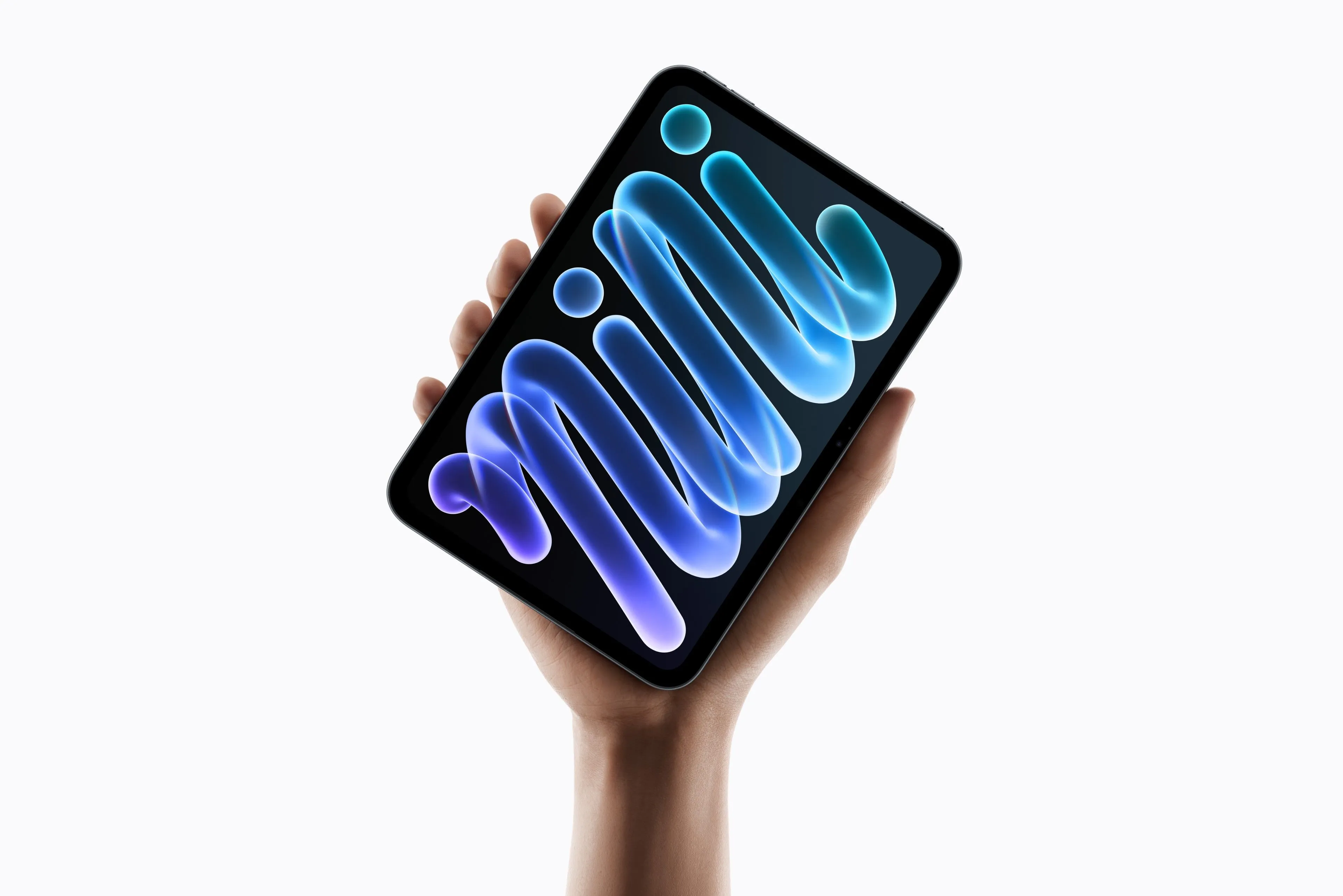
The new iPad mini enlarges the display to 8.5 inches while keeping the same footprint as before. According to Apple, the bezels are 24% thinner than on the previous generation, the body is 5.4 mm thick, and the weight is 255 g for the Wi-Fi model and 263 g for the Cellular model. The screen area has grown without enlarging the body, and the device has also become thinner and lighter. It comes in two colors: Midnight and Starlight.
The OLED display has a contrast ratio of 2,000,000:1 and a peak HDR brightness of up to 1,200 nits. However, that figure is the upper limit when displaying parts of HDR content at high brightness; it does not mean the entire screen is always shown at 1,200 nits. Maximum brightness for ordinary SDR content is 600 nits, and full-screen brightness in HDR is also capped at 600 nits. Because the brightness ceiling differs between bright highlights in HDR video and documents or web pages in SDR, outdoor visibility cannot be judged by the 1,200-nit number alone.
Minimum brightness can be lowered to 1 nit, allowing fine adjustment when using the device in dark places. Nano-texture glass is also available as an option to reduce reflections from strong light. Minimum brightness affects usability in the dark, while maximum brightness and the glass's reflective properties affect visibility in bright environments. Real-world outdoor visibility and the impact on battery life will have to wait for hands-on testing after release.
New "Acoustic Display" audio system and IP67 dust and water resistance
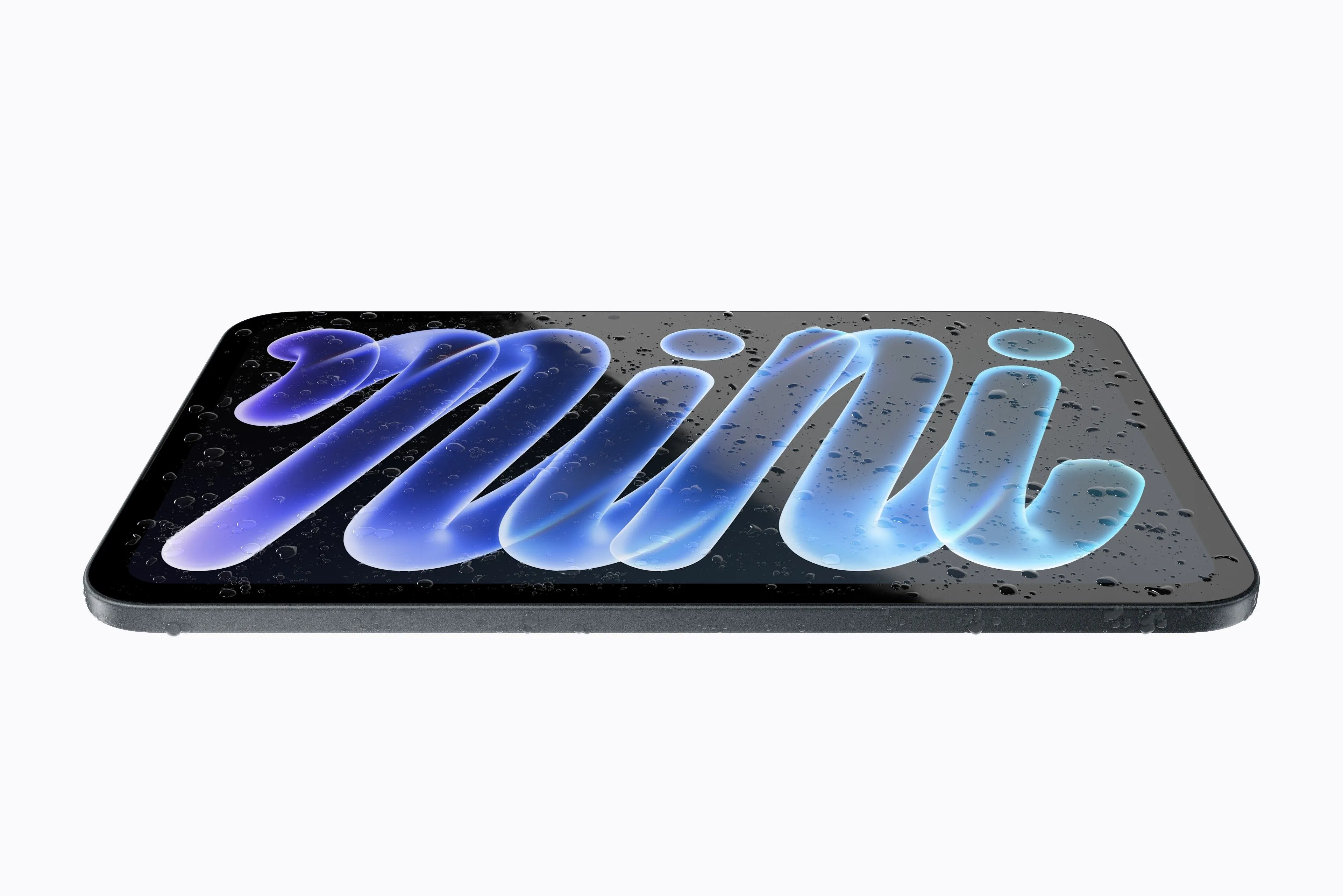
The audio system has also changed significantly. The newly adopted "Acoustic Display" uses a purpose-designed woofer that works in tandem with the display, with tweeters placed between the glass and the aluminum enclosure. The structure and placement of the speakers have been reworked alongside the display.
This design change also relates to the device's water resistance. Apple explains that the sealed construction used for Acoustic Display helps the iPad mini meet the IP67 rating. In other words, it is the sealed enclosure design, including the audio system, that contributes to water resistance; the OLED display itself does not make the device more waterproof.
IP67 water resistance was tested under controlled conditions at a depth of up to 1 meter for up to 30 minutes. However, dust and water resistance may decrease with normal use, and liquid damage is not covered by the warranty. Apple also warns against charging the device while wet, so it should not be assumed that regular underwater use or charging while wet is supported. Better resistance to water and dust when carrying the device is not the same as permission to use it underwater. The 12MP front camera has also moved to the long edge, changing its position when the device is used in landscape orientation.
A20 Pro configurations differ in CPU and Neural Engine by storage size
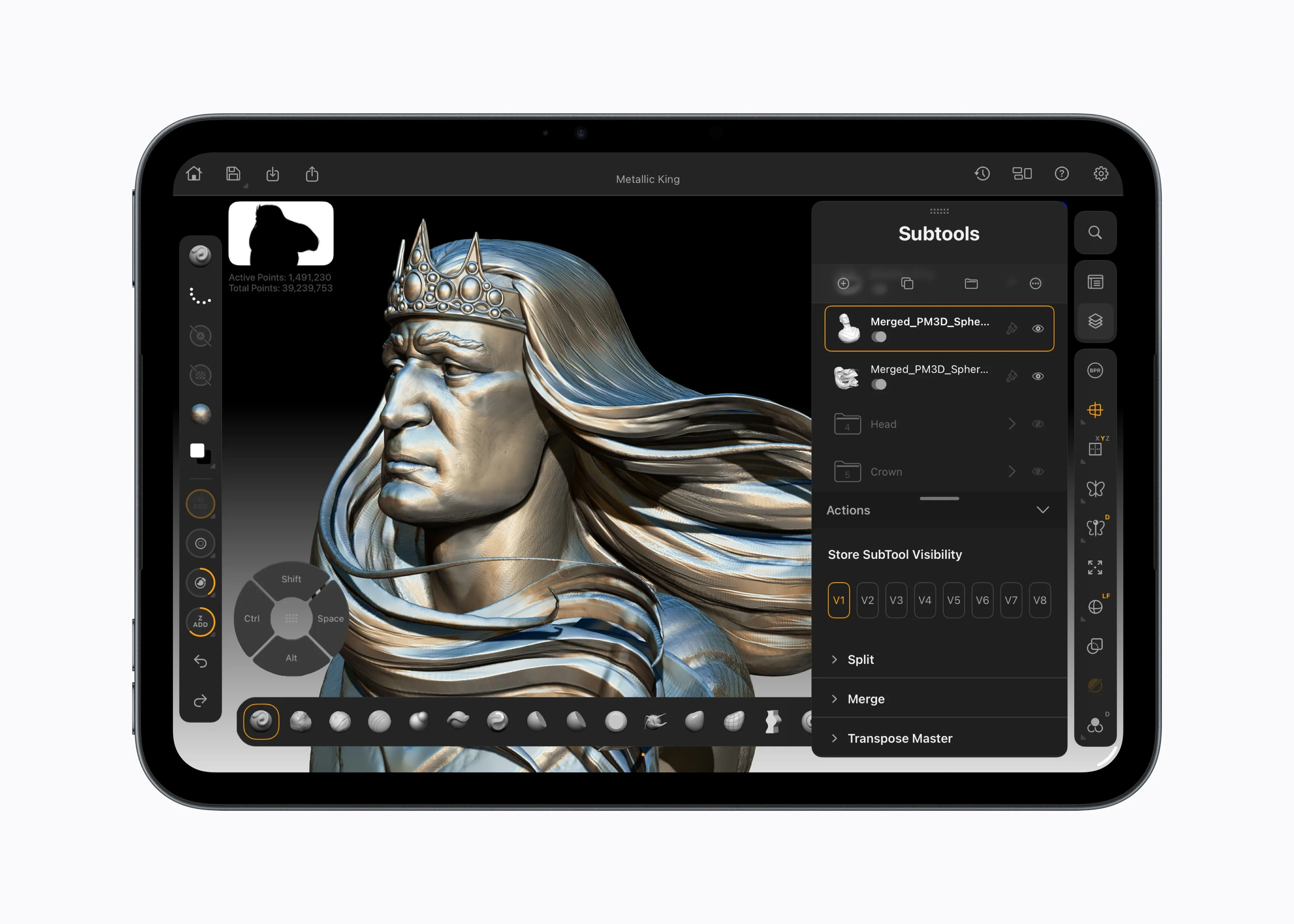
All models of the new iPad mini use the A20 Pro, but the CPU and Neural Engine configurations vary with storage capacity. The 128GB and 256GB models have a 5-core CPU and a 16-core Neural Engine, while the 512GB model uses a 6-core CPU and a dual 16-core Neural Engine. The GPU is a 7-core design on every model.
Based on Apple's official technical specifications, the differences by capacity are as follows.
| Item | 128GB | 256GB | 512GB |
|---|---|---|---|
| CPU | 5 cores (2 super + 3 efficiency) | 5 cores (2 super + 3 efficiency) | 6 cores (2 super + 4 efficiency) |
| GPU | 7 cores | 7 cores | 7 cores |
| Neural Engine | 16 cores | 16 cores | Dual 16 cores |
| Nano-texture glass | Not available | Optional | Optional |
Moving from 128GB to 256GB does not change the CPU or Neural Engine configuration. However, models with 256GB or more can be configured with Nano-texture glass, which reduces screen reflections. The 512GB model adds one efficiency CPU core and upgrades the Neural Engine to a dual 16-core configuration. So buyers who prioritize reflection control may consider the 256GB model, while those who care about CPU and AI processing hardware would compare the 512GB model.
That said, a dual 16-core Neural Engine does not mean AI processing will always be twice as fast. The GPU core count is also the same across all models, but that does not guarantee identical real-world game or app performance. Differences will vary with the circuits an app uses and the type of load, so configuration differences and actual processing speed should be considered separately.
According to Apple, the A20 Pro is manufactured on a 2nm process and uses packaging technology informed by the design of its M-series chips. The GPU also includes Neural Accelerators to support AI processing. Apple's stated improvements over the previous generation are up to 4.5 times for AI processing and up to 2.7 times for graphics performance. Multithreaded performance is also said to be up to 60% higher, and memory bandwidth more than doubled. However, these figures are based on tests Apple conducted in September 2026, not independent hands-on verification, and they do not guarantee the same gains for every storage capacity or app.
Fast charging and Wi-Fi 7 supported; Siri AI planned for iPadOS 27.2
For charging, the battery can reach up to 50% in about 30 minutes. However, this fast charging requires a separately sold USB-C power adapter rated at 35W or higher. The adapter included in the box is 20W, so anyone who wants quick charging will need to buy a compatible one. Actual charging time varies with settings and the surrounding environment, and battery life for web use over Wi-Fi and video playback is rated at up to 10 hours.
For connectivity, Apple's N1 chip supports Wi-Fi 7, Bluetooth 6 and Thread. Cellular models include the C2 modem. Actual speeds depend on the network, carrier and location, so support for the latest standards does not by itself guarantee faster connections.
On the AI side, the A20 Pro's processing performance and the conditions for using Siri AI need to be checked separately. The new iPad mini ships with iPadOS 27, but Siri AI is planned for the iPadOS 27.2 beta, supporting six languages including Japanese. This means not all of the announced AI features will be available at launch. Using it requires enabling Apple Intelligence and setting a supported language.
Siri AI also has age and regional restrictions. It is unavailable to users under 13 and is not offered in the EU version of iPadOS. Some features that use server-side AI models will have daily usage limits, though the specific numbers have not been disclosed. Apple has also indicated plans to let users pay to expand their usage allowances in the future. Even though the 512GB model has a stronger Neural Engine configuration, there is no explanation that this changes when services become available or the server-side usage limits. On-device AI processing performance and the terms of cloud-based AI services are separate matters.
iPadOS 27.2 is also expected to add an extended mode that expands the workspace onto an external display. In hardware terms, the device can output video to one external display at up to 4K and 60Hz, and USB 3 data transfer speeds reach up to 10Gb/s. However, the 60Hz figure refers to external display output and does not indicate the refresh rate of the iPad mini's own screen.
A notable feature of this iPad mini is that storage capacity also affects processing circuitry and display options. Buyers who want Nano-texture glass can start from the 256GB model, while those who want the extra CPU core and Neural Engine would consider the 512GB model. How much these configuration differences affect real-world app performance is not yet known. Post-launch benchmarks and the rollout status of iPadOS 27.2 features will be important factors in choosing the right model for your needs.