

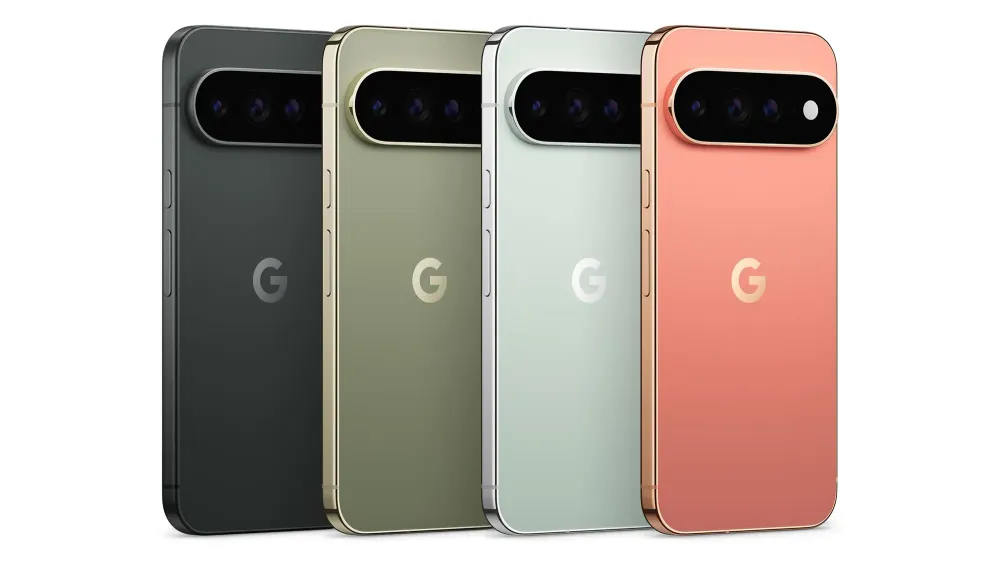
On August 12, 2026, Google officially announced the Pixel 11 series. In Japan, online reservations opened the same day via the Google Store, with in-store reservations starting August 13. The release date is set for August 20, meaning the devices are currently still in the reservation stage.
All four models this time—Pixel 11, Pixel 11 Pro, Pixel 11 Pro XL, and Pixel 11 Pro Fold—now start at a minimum of 256GB of storage. This capacity increase isn't obvious from the price list alone. Because the Pixel 11 moved from 128GB to 256GB, its starting price went up, but the 256GB version of the Pixel 11 Pro kept roughly the same price while cutting RAM from 16GB to 12GB. The 256GB Pro XL now comes with 12GB of RAM and is priced higher than its predecessor. The Fold retained 16GB of RAM but saw a price increase as well.
There's also a division of camera roles across the lineup. The standard model enlarged its wide sensor to push maximum zoom to 30x, while the Pro lineup enlarged its telephoto sensor to emphasize 120x zoom and low-light shooting. The Fold didn't overhaul its camera setup significantly, but instead got lighter, down to 239g, with a folded thickness reduced to 10.1mm.
Beyond the starting price, there are other things to check before buying. Without confirming the 256GB-based storage tiers, the RAM split between 12GB and 16GB, charging specs, and the scope of AI features available in Japan, it's hard to grasp the actual differences among the four models.
Japanese Pricing Looks Different Once You Factor In "256GB as Standard"
In Japan, the starting prices for the Pixel 11 series are ¥136,800 for the Pixel 11, ¥174,800 for the Pixel 11 Pro, ¥207,800 for the Pixel 11 Pro XL, and ¥279,900 for the Pixel 11 Pro Fold. All prices include tax. The Pixel 11, 11 Pro, and 11 Pro XL will also be sold through NTT Docomo, KDDI/Okinawa Cellular, SoftBank, and Rakuten Mobile. The Fold is planned for sale through all of these carriers except Rakuten Mobile.
| Model | Pixel 11 Series Japan Pricing / RAM | Pixel 10 Series Launch Comparison | Change in Starting Price |
|---|---|---|---|
| Pixel 11 | 256GB/12GB: ¥136,800 | ||
| 512GB Zoned UFS/12GB: ¥156,800 | Pixel 10 128GB/12GB: ¥128,900 | ||
| 256GB/12GB: ¥143,900 | ¥7,900 higher than the 128GB model. Minimum capacity increased from 128GB to 256GB | ||
| Pixel 11 Pro | 256GB/12GB: ¥174,800 | ||
| 512GB Zoned UFS/16GB: ¥194,800 | |||
| 1TB Zoned UFS/16GB: ¥234,800 | Pixel 10 Pro 256GB/16GB: ¥174,900 | ||
| 512GB/16GB: ¥194,900 | 256GB model is ¥100 cheaper, but RAM dropped from 16GB to 12GB | ||
| Pixel 11 Pro XL | 256GB/12GB: ¥207,800 | ||
| 512GB Zoned UFS/16GB: ¥227,800 | |||
| 1TB Zoned UFS/16GB: ¥267,800 | Pixel 10 Pro XL 256GB/16GB: ¥192,900 | ||
| 512GB/16GB: ¥212,900 | ¥14,900 higher for the 256GB model. Only the 256GB variant has 12GB RAM | ||
| Pixel 11 Pro Fold | 256GB/16GB: ¥279,900 | ||
| 512GB Zoned UFS/16GB: ¥299,900 | Pixel 10 Pro Fold 256GB/16GB: ¥267,500 | ||
| 512GB/16GB: ¥287,500 | ¥12,400 higher for the 256GB model. RAM stays at 16GB across all capacities |
The Pixel 11's ¥136,800 price tag is ¥7,900 higher than the previous generation's 128GB model. However, while the Pixel 10 started at 128GB, the Pixel 11 now starts at 256GB. Rather than comparing storage capacity against the same baseline as the previous generation's minimum configuration, it's more accurate to recognize that the minimum capacity itself has changed.
The Pro lineup is complicated in the opposite direction. The 256GB Pixel 11 Pro costs ¥174,800, which is ¥100 cheaper than the equivalent-capacity Pixel 10 Pro. However, RAM shifts from 16GB to 12GB. The Pixel 11 Pro XL also starts at 256GB/12GB, and you'd need to step up to 512GB or 1TB to get 16GB. In the previous generation, every capacity tier came with 16GB, so the purchasing decision has changed.
Meanwhile, the Pixel 11 Pro Fold offers 16GB of RAM at both the 256GB and 512GB tiers. A 1TB version exists in the US, but it won't be sold in Japan. For readers considering the Japanese Fold, the choice comes down to whether 256GB or 512GB is sufficient, rather than the maximum available capacity.
This marks the first time SIM-free versions will be sold at some major electronics retailers. This means buyers can now compare not just carrier terms and Google Store pricing, but also retail availability when deciding where to purchase.
Reading the Spec Differences Across the Four Models Against Their Predecessors
The Pixel 11 keeps the same body dimensions as the Pixel 10 at 152.8×72.0×8.6mm, while dropping weight from 204g to 197g. The display remains 6.3 inches, but the Pixel 11 uses a 1080×2424 pixel, 60-120Hz OLED panel. HDR brightness is 2000 nits, and peak brightness is 3000 nits. Note that peak brightness is measured under conditions where only 5% of the screen is illuminated—it does not mean the entire screen glows at 3000 nits continuously.
| Item | Pixel 11 | Pixel 10 |
|---|---|---|
| Japan Minimum Config | 256GB/12GB, ¥136,800 | 128GB/12GB, ¥128,900 |
| Display | 6.3-inch, 1080×2424, OLED, 60-120Hz | |
| HDR 2000nit, Peak 3000nit | 6.3-inch, 1080×2424, OLED, 60-120Hz | |
| HDR 2000nit, Peak 3000nit | ||
| Dimensions/Weight | 152.8×72.0×8.6mm, 197g | 152.8×72.0×8.6mm, 204g |
| Battery | 4985mAh, 30+ hours | 4970mAh, 24+ hours |
| Charging | Up to 55% in 30 min | |
| Qi2.2 up to 25W | Up to 55% in 30 min | |
| Qi2 up to 15W | ||
| Rear Camera | 48MP 1/1.56" wide | |
| 13MP ultrawide | ||
| 10.8MP 5x optical telephoto | 48MP 1/2" wide | |
| 13MP ultrawide | ||
| 10.8MP 5x optical telephoto | ||
| Max Zoom | 30x | 20x |
| Chip | Tensor G6, Titan M3 | Tensor G5, Titan M2 |
| Protection/OS | IP68, Gorilla Glass Victus 2, Android 17, 7-year updates | IP68, Gorilla Glass Victus 2, Android 16, 7-year updates |
On the standard model, the wide sensor grew from 1/2" to 1/1.56". Google claims a 56% increase in sensitivity. Typical battery capacity also rose from 4970mAh to 4985mAh, and Google's stated battery life increased from 24+ hours to 30+ hours. It also gains support for Qi2.2 wireless charging up to 25W. That said, the 55% charge in 30 minutes figure assumes use of a compatible PPS charger, and 30W should not be mistaken as the device's maximum power input.
The Pixel 11 Pro maintains its 6.3-inch size while dropping weight from 207g to 204g. The display is a 1280×2856 pixel LTPO panel supporting a variable 1-120Hz refresh rate. HDR brightness is 2400 nits, and peak brightness is 3600 nits.
| Item | Pixel 11 Pro | Pixel 10 Pro |
|---|---|---|
| Japan Minimum Config | 256GB/12GB, ¥174,800 | 256GB/16GB, ¥174,900 |
| Higher Configs | 512GB/16GB: ¥194,800 | |
| 1TB/16GB: ¥234,800 | 512GB/16GB: ¥194,900 | |
| Display | 6.3-inch, 1280×2856, LTPO, 1-120Hz | |
| HDR 2400nit, Peak 3600nit | 6.3-inch, 1280×2856, LTPO, 1-120Hz | |
| HDR 2200nit, Peak 3300nit | ||
| Dimensions/Weight | 152.7×71.9×8.4mm, 204g | 152.8×72.0×8.6mm, 207g |
| Battery | 4850mAh, 30+ hours | 4870mAh, 24+ hours |
| Charging | Up to 55% in 30 min | |
| Qi2.2 up to 25W | Up to 55% in 30 min | |
| Qi2 up to 15W | ||
| Rear Camera | 50MP 1/1.3" wide | |
| 48MP 1/2.51" ultrawide | ||
| 48MP 1/1.95" 5x optical telephoto | 50MP 1/1.3" wide | |
| 48MP 1/2.51" ultrawide | ||
| 48MP 1/2.51" 5x optical telephoto | ||
| Max Zoom | 120x | 100x |
| Front Camera | 42MP | 42MP |
| Chip | Tensor G6, Titan M3 | Tensor G5, Titan M2 |
Looking only at the 256GB Pro model, the price is essentially unchanged, weight drops by 3g, and thickness decreases by 0.2mm. The telephoto sensor also grew from 1/2.51" to 1/1.95". However, RAM is reduced by 4GB. For readers prioritizing photo and display specs, this is a step forward, but readers who chose the previous generation expecting 16GB RAM as standard need to check configurations of 512GB or higher.
The Pixel 11 Pro XL is a 6.8-inch model that shares most camera and display specs with the Pro. Its dimensions are 162.7×76.5×8.5mm, and it weighs 226g—6g lighter than the Pixel 10 Pro XL's 232g. Typical battery capacity drops from 5200mAh to 5115mAh, while the claimed battery life extends from 24+ hours to 30+ hours.
| Item | Pixel 11 Pro XL | Pixel 10 Pro XL |
|---|---|---|
| Japan Minimum Config | 256GB/12GB, ¥207,800 | 256GB/16GB, ¥192,900 |
| Higher Configs | 512GB/16GB: ¥227,800 | |
| 1TB/16GB: ¥267,800 | 512GB/16GB: ¥212,900 | |
| Display | 6.8-inch, 1344×2992 | |
| LTPO, 1-120Hz, HDR 2400nit, Peak 3600nit | 6.8-inch, 1344×2992 | |
| LTPO, 1-120Hz, HDR 2200nit, Peak 3300nit | ||
| Dimensions/Weight | 162.7×76.5×8.5mm, 226g | 162.8×76.6×8.5mm, 232g |
| Battery | 5115mAh, 30+ hours | 5200mAh, 24+ hours |
| Charging | Up to 75% in 30 min | |
| Qi2.2 up to 25W | Up to 70% in 30 min | |
| Qi2 up to 25W | ||
| Rear Camera | Same as Pixel 11 Pro | Same as Pixel 10 Pro |
| RAM | 256GB has 12GB, 512GB/1TB have 16GB | 16GB across all capacities |
| Chip | Tensor G6, Titan M3 | Tensor G5, Titan M2 |
The Pro XL's price difference is significant. The 256GB model is ¥14,900 more expensive than its predecessor, and RAM drops from 16GB to 12GB. If you want a large display, a camera identical to the Pro, and the claimed 75% charge in 30 minutes, it's a viable option—but the 256GB configuration is the point that most warrants careful comparison with the previous generation.
The Fold shows the most obvious physical changes among the four models. Weight drops 19g from 258g to 239g, and folded thickness decreases from 10.8mm to 10.1mm. The outer display grows from 6.4 inches to 6.5 inches. The inner display remains at 8.0 inches, and both displays now support 1-120Hz, HDR 2000nit, and peak 3600nit.
| Item | Pixel 11 Pro Fold | Pixel 10 Pro Fold |
|---|---|---|
| Japan Minimum Config | 256GB/16GB, ¥279,900 | 256GB/16GB, ¥267,500 |
| Higher Config | 512GB/16GB: ¥299,900 | 512GB/16GB: ¥287,500 |
| Outer Display | 6.5-inch, 1080×2342, 399ppi | |
| 1-120Hz, HDR 2000nit, Peak 3600nit | 6.4-inch, 1080×2364, 408ppi | |
| 60-120Hz, HDR 2000nit, Peak 3000nit | ||
| Inner Display | 8.0-inch, 2076×2152, 372ppi | |
| 1-120Hz, HDR 2000nit, Peak 3600nit | 8.0-inch, 2076×2152, 373ppi | |
| 1-120Hz, HDR 1800nit, Peak 3000nit | ||
| Folded Dimensions | 155.2×76.0×10.1mm | 155.2×76.3×10.8mm |
| Unfolded Dimensions | 155.2×150.4×5.0mm | 155.2×150.4×5.2mm |
| Weight | 239g | 258g |
| Battery | 4806mAh, 24+ hours | 5015mAh, 24+ hours |
| Charging | Up to 50% in 30 min | |
| Qi2.2 up to 25W | Up to 50% in 30 min | |
| Qi2 up to 15W | ||
| Rear Camera | 48MP wide, 10.5MP ultrawide, 10.8MP 5x optical telephoto | Same configuration |
| Max Zoom | 30x | 20x |
| Hinge | Gearless hinge | Multi-alloy steel + high-strength aluminum alloy hinge |
| Chip | Tensor G6, Titan M3 | Tensor G5, Titan M2 |
Google describes the Fold as roughly "10% lighter" and "about 1mm thinner" when folded. However, comparing the spec sheet figures directly, weight drops 19g from 258g to 239g—about 7.4%—and thickness decreases 0.7mm from 10.8mm to 10.1mm. The basis for Google's "approximately 10%" comparison cannot be determined from primary sources. Wireless charging moves from Qi2's 15W to Qi2.2's 25W, but typical battery capacity decreases from 5015mAh to 4806mAh. Notably, while Google's launch blog for the Pixel 10 Pro Fold stated 30+ hours of battery life, the current spec sheet lists 24+ hours. Since both current spec sheets state 24+ hours for old and new models alike, how the weight reduction and charging spec changes affect real-world battery life needs to be verified through hands-on testing.
The Standard and Pro Models Focus on Different Camera Improvements
Google divided camera improvements between the standard and Pro lines for the Pixel 11. The Pixel 11 enlarges its 48MP wide camera sensor from 1/2" to 1/1.56", with Google claiming a 56% increase in sensitivity. The ultrawide remains 13MP and the telephoto remains 10.8MP with 5x optical zoom, but maximum zoom increases from 20x to 30x.
The Pixel 11 Pro and Pixel 11 Pro XL retain the 50MP 1/1.3" wide and 48MP 1/2.51" ultrawide cameras, while enlarging the 48MP 5x optical telephoto sensor from 1/2.51" to 1/1.95". According to Google's stated figures, telephoto sensitivity improves by 30%, and Night Sight mode becomes up to 4.5 times faster. Maximum zoom also extends from 100x to 120x.
| Model | Pixel 11 Series Camera | Key Changes from Pixel 10 Series |
|---|---|---|
| Pixel 11 | 48MP 1/1.56" wide | |
| 13MP ultrawide | ||
| 10.8MP 5x optical telephoto | ||
| Front 10.5MP, max 30x zoom | Wide sensor enlarged from 1/2" to 1/1.56". Google claims 56% sensitivity increase. Max zoom up from 20x to 30x | |
| Pixel 11 Pro | 50MP 1/1.3" wide | |
| 48MP 1/2.51" ultrawide | ||
| 48MP 1/1.95" 5x optical telephoto | ||
| Front 42MP, max 120x zoom | Telephoto sensor enlarged from 1/2.51" to 1/1.95". Google claims 30% sensitivity increase, Night Sight up to 4.5x faster. Max zoom up from 100x to 120x | |
| Pixel 11 Pro XL | Same as Pixel 11 Pro | Same as Pixel 11 Pro |
| Pixel 11 Pro Fold | 48MP wide | |
| 10.5MP ultrawide | ||
| 10.8MP 5x optical telephoto | ||
| Inner and outer front cameras both 10MP, max 30x zoom | Rear camera megapixel configuration unchanged from previous generation. Max zoom up from 20x to 30x |
Sensor size, zoom ratio, and Night Sight speed all depend on shooting mode, output settings, and Google's internal testing conditions. Google's stated figures should not be treated as third-party-verified benchmarks. That said, the change points are clear—wide angle for the standard model, telephoto for the Pro lineup—and the choice will depend on what subjects you want to photograph.
The Pixel 11 series also shares a common feature called "Magic Capture," which typically analyzes around 400 frames using on-device AI and Gemini to generate 12MP photos and videos. Camera Looks, which adjusts the appearance of photos after shooting, now offers Natural, Shadows, and Vanilla in addition to Original, plus six additional selectable styles. Creator Suite includes a teleprompter and grid overlay. Project folders and Storyboard are also included.
These features, separate from lens and sensor changes, represent a shift toward handling more of the shooting-to-finishing workflow on-device. However, AI-powered processing comes with conditions varying by feature—supported regions and languages, age restrictions, compatible apps, and network connectivity. These features do not guarantee identical processing results or speed with every use.
Tensor G6 and AI Features: Usage Conditions in Japan Still Need Checking
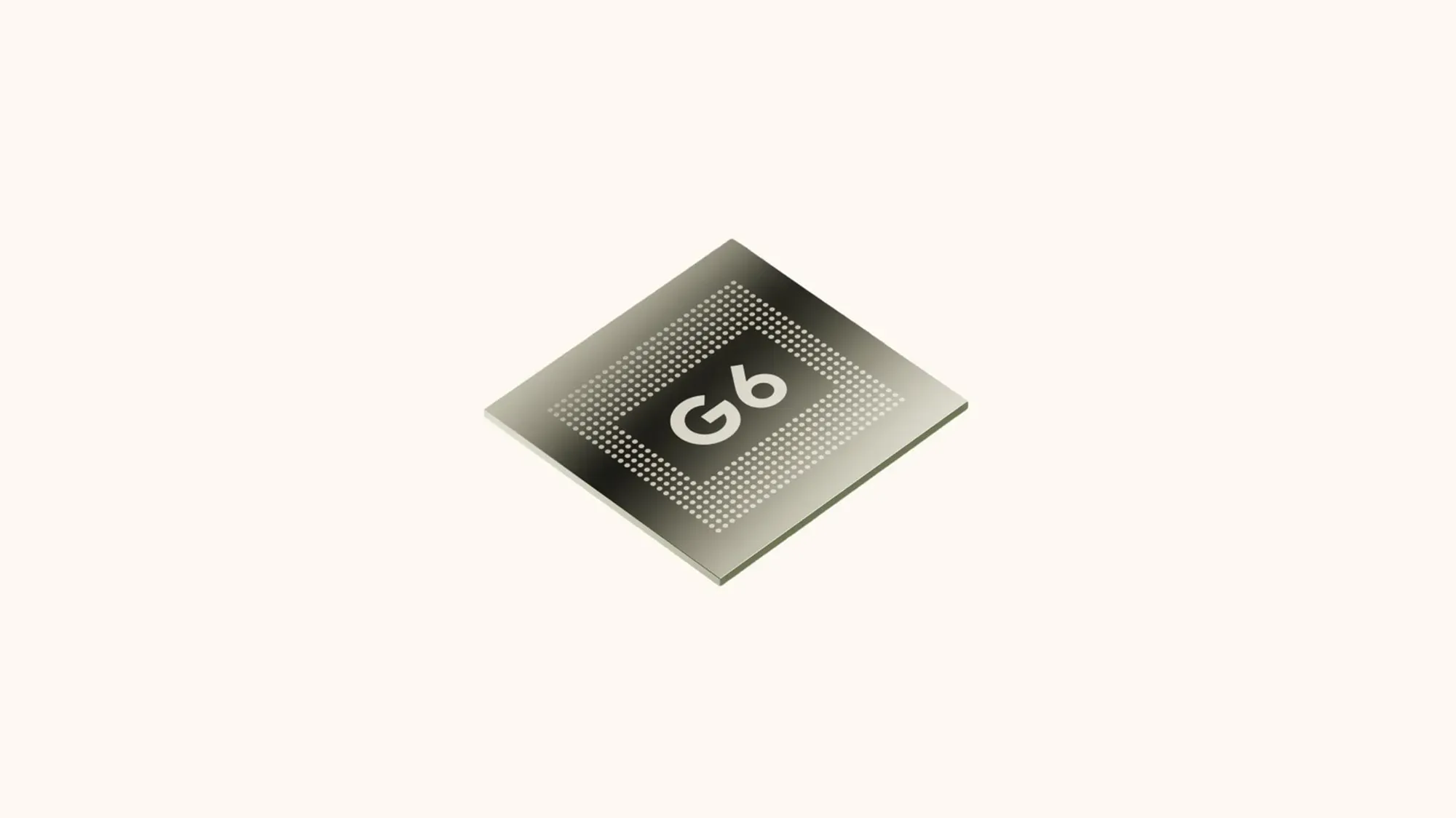
All models are equipped with Tensor G6 and Titan M3. Compared to Tensor G5, Google claims web browsing is 25% faster, app launches are 15% faster, and TPU computing power increased by 50%. On-device AI is said to be up to 3.5 times faster while consuming up to 3.5 times less energy.
These figures come from Google and are tied to specific usage modes and internal test conditions. Details such as Tensor G6's manufacturing process, CPU/GPU core configuration, and modem supplier cannot be confirmed from Google's primary sources. Verified comparative figures and undisclosed implementation details should be evaluated separately.
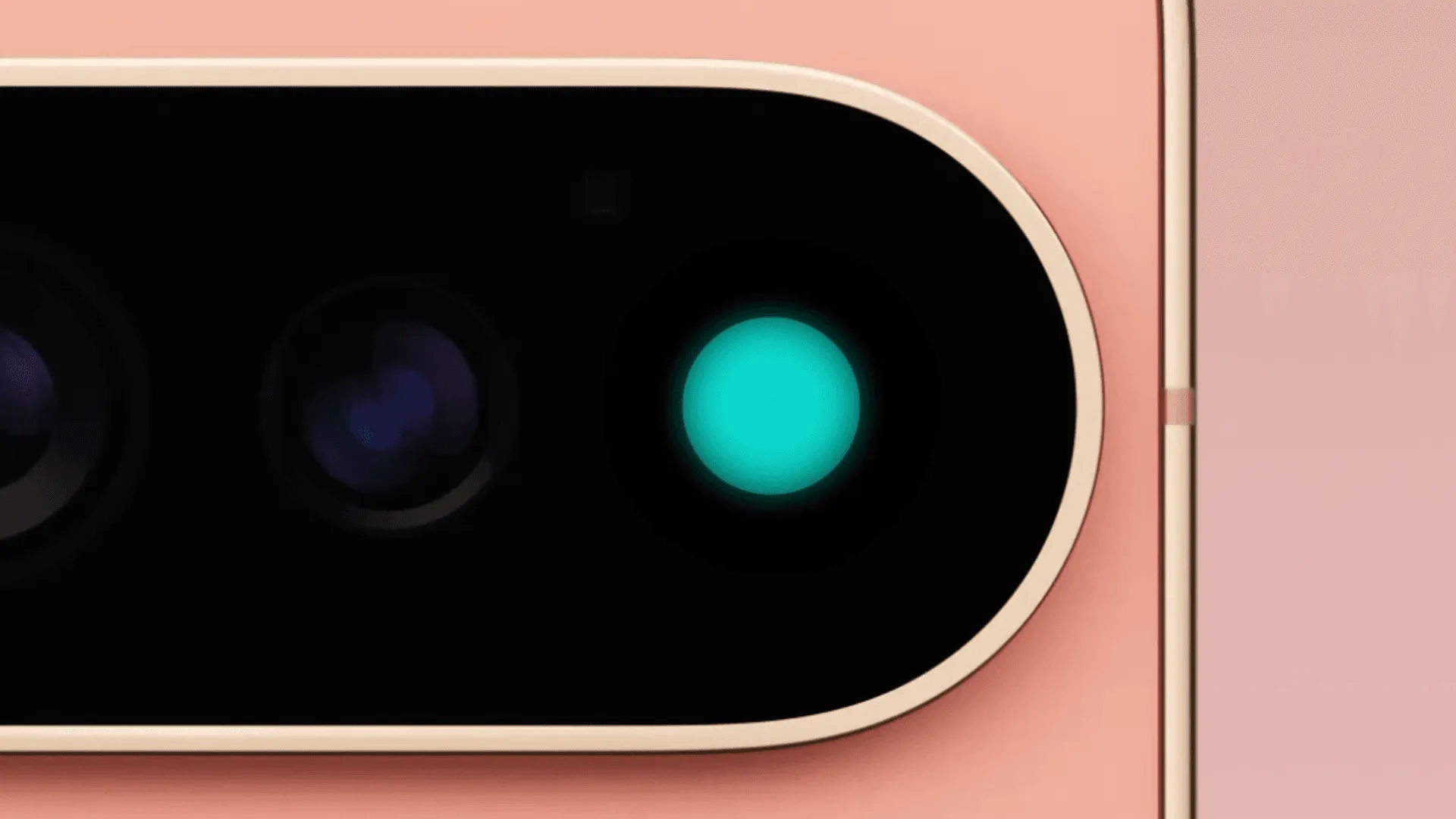
The Pro, Pro XL, and Pro Fold also gain "HiLight," a feature that indicates Gemini's status and incoming calls through light and color—this is not included on the Pixel 11. Notification for messages from favorite contacts is planned as a future addition and is not available at launch.
Gemini Intelligence for Japan currently lacks certain features available elsewhere, such as complex task coordination and proactive cards. Google says these will roll out gradually but hasn't specified a launch date. Location insights remain in Preview status. When choosing a Pixel 11 series device based on AI features, it's important to distinguish between what the hardware is capable of at announcement and what's actually usable in Japan right now.
The August 20 Decision Comes Down to RAM, SIM, and Hands-On Testing
The Pixel 11 offers 256GB starting at ¥136,800, a lighter 197g body, and a larger wide sensor as key selling points. It suits readers upgrading from the Pixel 10's 128GB who want more storage along with updated camera and wireless charging capabilities.
The Pixel 11 Pro maintains its compact 6.3-inch Pro form factor while updating the telephoto camera, display, and wireless charging. However, the 256GB model comes with 12GB of RAM. Readers who want the same 256GB/16GB RAM configuration as the previous Pixel 10 Pro will need to step up to 512GB or higher on the Pixel 11 Pro.
The Pixel 11 Pro XL offers a 6.8-inch display, cameras shared with the Pro, and a claimed charging rate of up to 75% in 30 minutes. Its starting price of ¥207,800 is ¥14,900 higher than the Pixel 10 Pro XL's 256GB model. Since the 256GB configuration also comes with only 12GB of RAM, it's worth comparing both display size and capacity configuration.
The Pixel 11 Pro Fold's differentiators from the previous generation are its 239g weight, 10.1mm folded thickness, 6.5-inch outer display, and Qi2.2 wireless charging up to 25W. Since typical battery capacity has decreased, your evaluation will depend on whether you prioritize the lighter, thinner design or want to verify real-world battery life first.
There are also regional differences in connectivity specs. The US versions of the Pixel 11, 11 Pro, and 11 Pro XL support dual eSIM only, while the Japanese versions support nanoSIM + eSIM or dual eSIM. The Fold supports nanoSIM + eSIM in both the US and Japanese versions, with the Japanese version also supporting FeliCa. Storage and AI features vary by region, and sales incentives and connectivity specs are not necessarily identical either. Overseas spec sheets cannot be directly applied to Japanese versions.
Google states that software updates will be provided for 7 years. However, this period starts from when the device was first sold via the US Google Store, and the specific end date for the Pixel 11 has not yet been listed on the support page. IP68 certification also only means the device met IEC 60529 standards at the time of factory shipment—it's separate from a guarantee that water/dust resistance will last forever, or that liquid/drop damage is covered.
Google's claimed figures—2x+ scratch resistance for the Pro line and 3x durability for the Fold—come from internal comparisons using pre-production units, and the sample sizes used in testing haven't been disclosed. These should be viewed as indicators of design changes rather than accepted as standardized measurements.
After August 20, we'll be able to verify how the claimed 30+ hours of battery life holds up in real-world use, how much the 239g Fold changes portability, how the Pro line's telephoto sensor performs in low light, and whether the 12GB vs. 16GB RAM difference shows up in daily use. The true value of the Pixel 11 series isn't determined by the price list showing a bump to 256GB storage alone—it can only be properly assessed once these real-world results are in.