


At a special event held in the early hours of September 10 Japan time, Apple unveiled its flagship smartphones, the "iPhone 17 Pro" and "iPhone 17 Pro Max." The announcement revealed a bold overhaul that defied market expectations: an early break from the titanium material adopted just last year with the iPhone 16 Pro, and a return to a unibody design using aerospace-grade aluminum alloy. The realization of "sustained performance" through the fusion of the A19 Pro chip with an innovative vapor chamber cooling system, the "reinvention" of the camera system through 48MP resolution across all lenses, and the inclusion of new features aimed even at professional video production workflows—all of this vividly illustrates the future of smartphones that Apple envisions under the "Pro" banner, representing an extremely strategic move to achieve a "redefinition of the professional tool."
A Shift in Design Philosophy: Why Did Apple Abandon Titanium for an Aluminum Unibody?
The biggest surprise in the iPhone 17 Pro series is likely the change in the material forming the core of its design. In just a single year, Apple has abandoned the titanium frame and returned to a unibody (single-piece molded) design using lightweight yet strong 7000-series aluminum alloy.
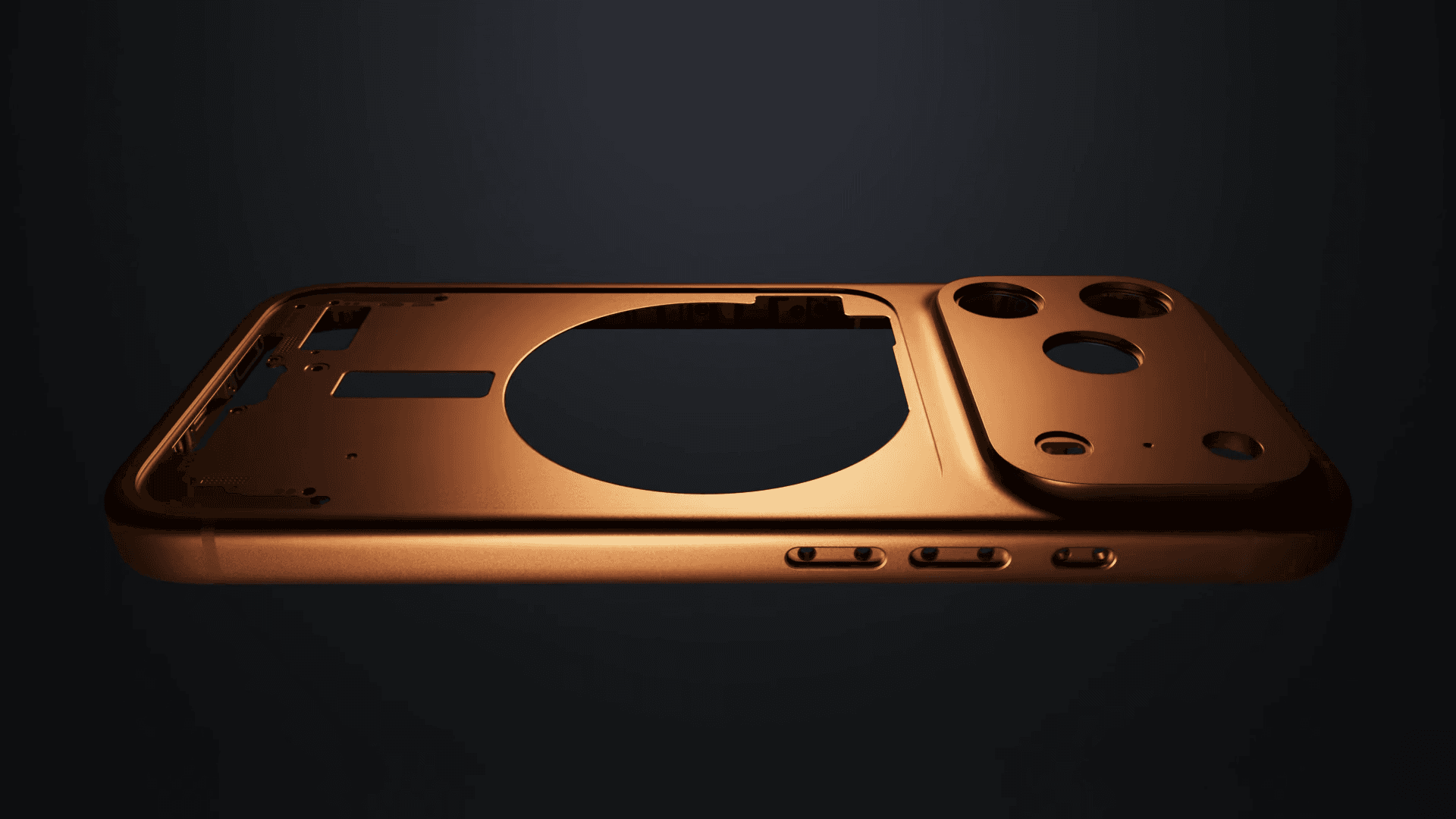
Behind this decision lies a clear technical and strategic intent that goes beyond mere cost or aesthetic considerations. What Apple officially cited was "thermal conductivity." According to the company, the aluminum alloy adopted this time boasts thermal conductivity 20 times better than the titanium used in the previous model. This design efficiently dissipates the heat generated by the newly developed A19 Pro chip (discussed later) and the "vapor chamber cooling system"—the first of its kind in iPhone history—across the entire body. This was, in fact, the most crucial design philosophy for achieving the "sustained high performance" that Apple aims for.
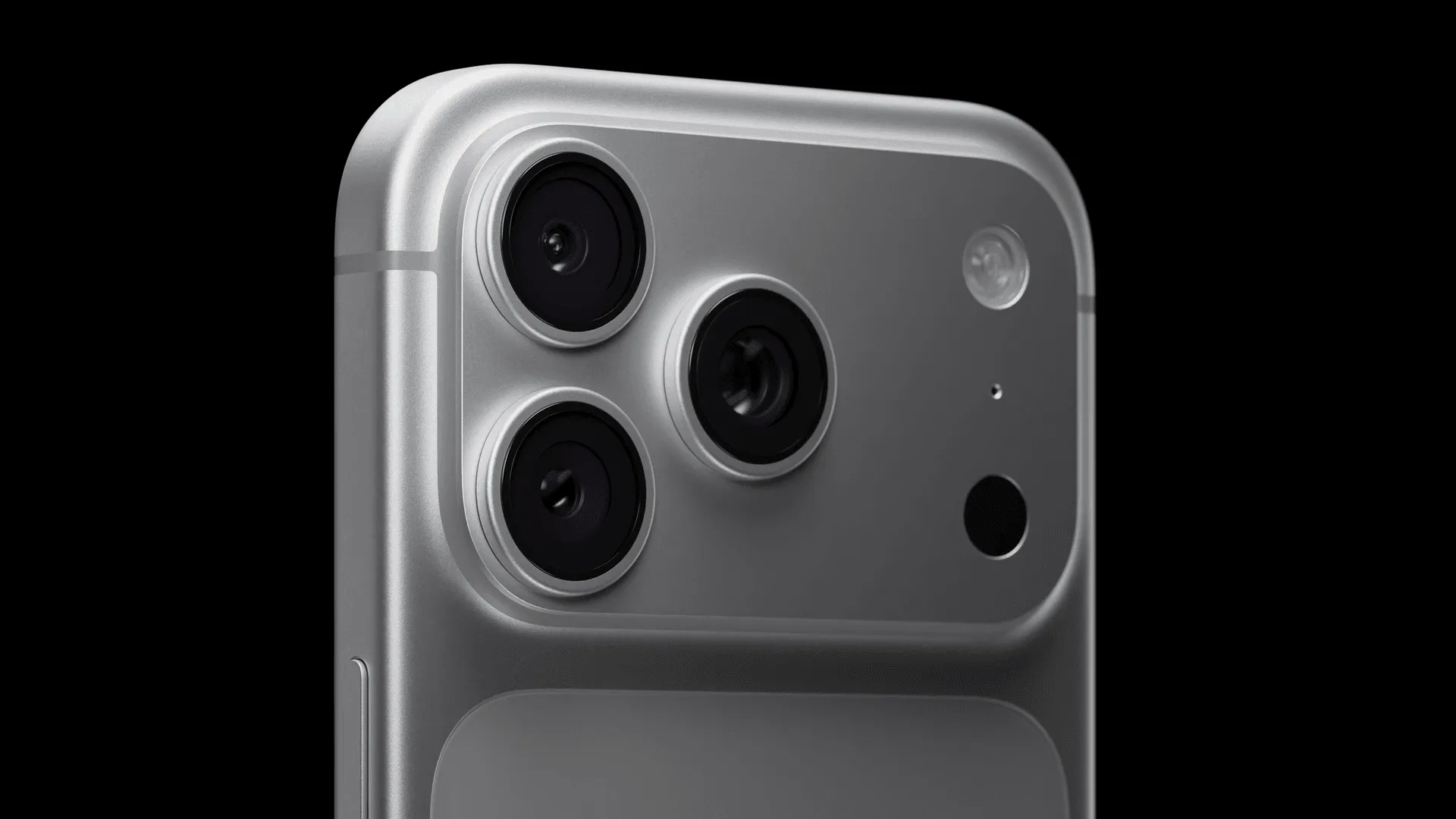
In terms of design, the rear camera unit has been redesigned into what's called a "camera plateau"—a rectangular bar-shaped design that spans the full width of the device. This is a rational outcome of optimizing the placement of internal components to secure space for a larger battery.
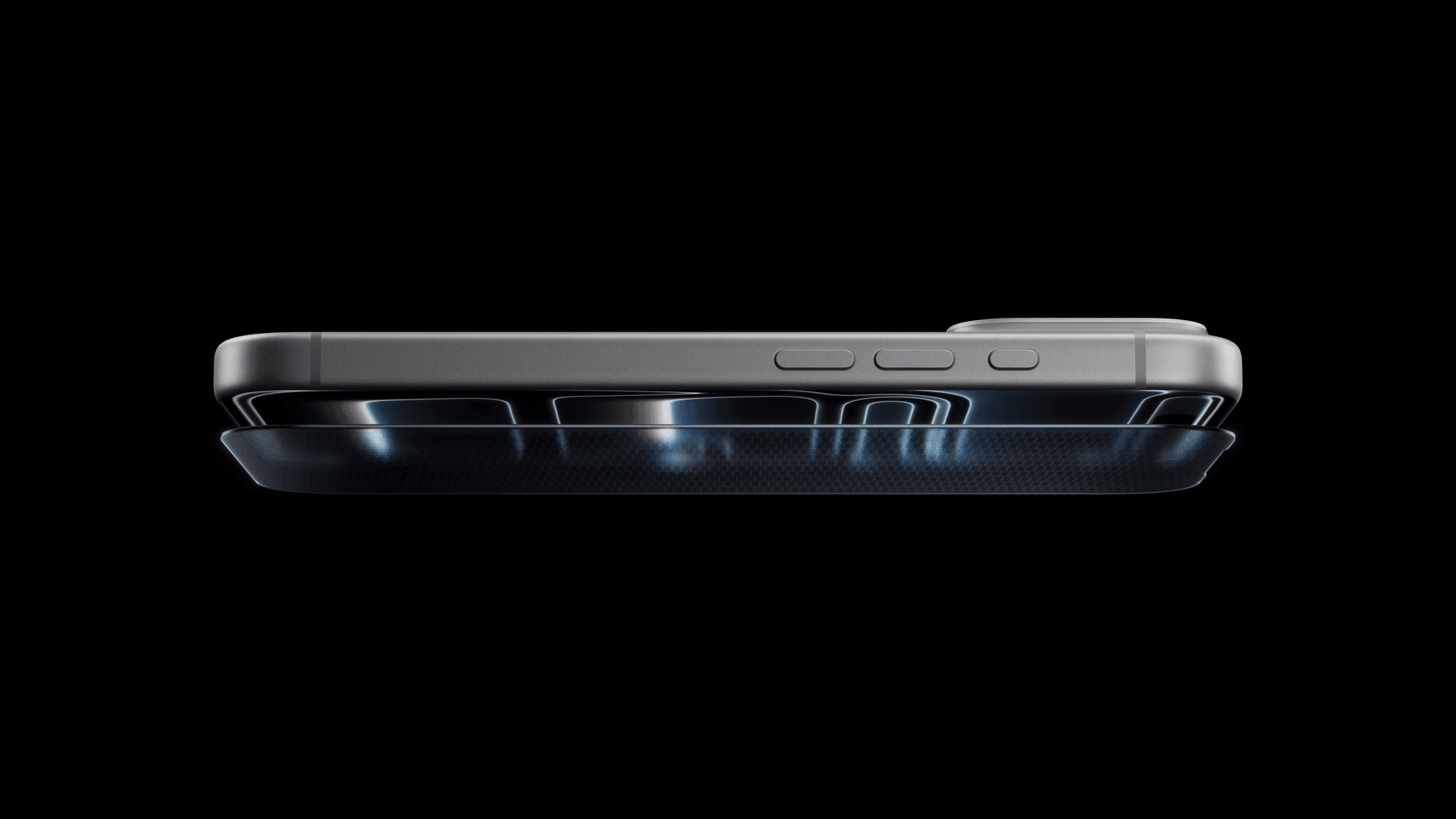
Durability has also improved dramatically. The glass protecting the display has evolved into the second-generation "Ceramic Shield 2," achieving 3x better scratch resistance. Even more notable is that this Ceramic Shield has been applied to the back of the device for the first time. As a result, the crack resistance of the rear glass is said to reach 4 times that of previous models. Combined with the unibody structure, the iPhone 17 Pro has become the most durable Pro model in the lineup's history.
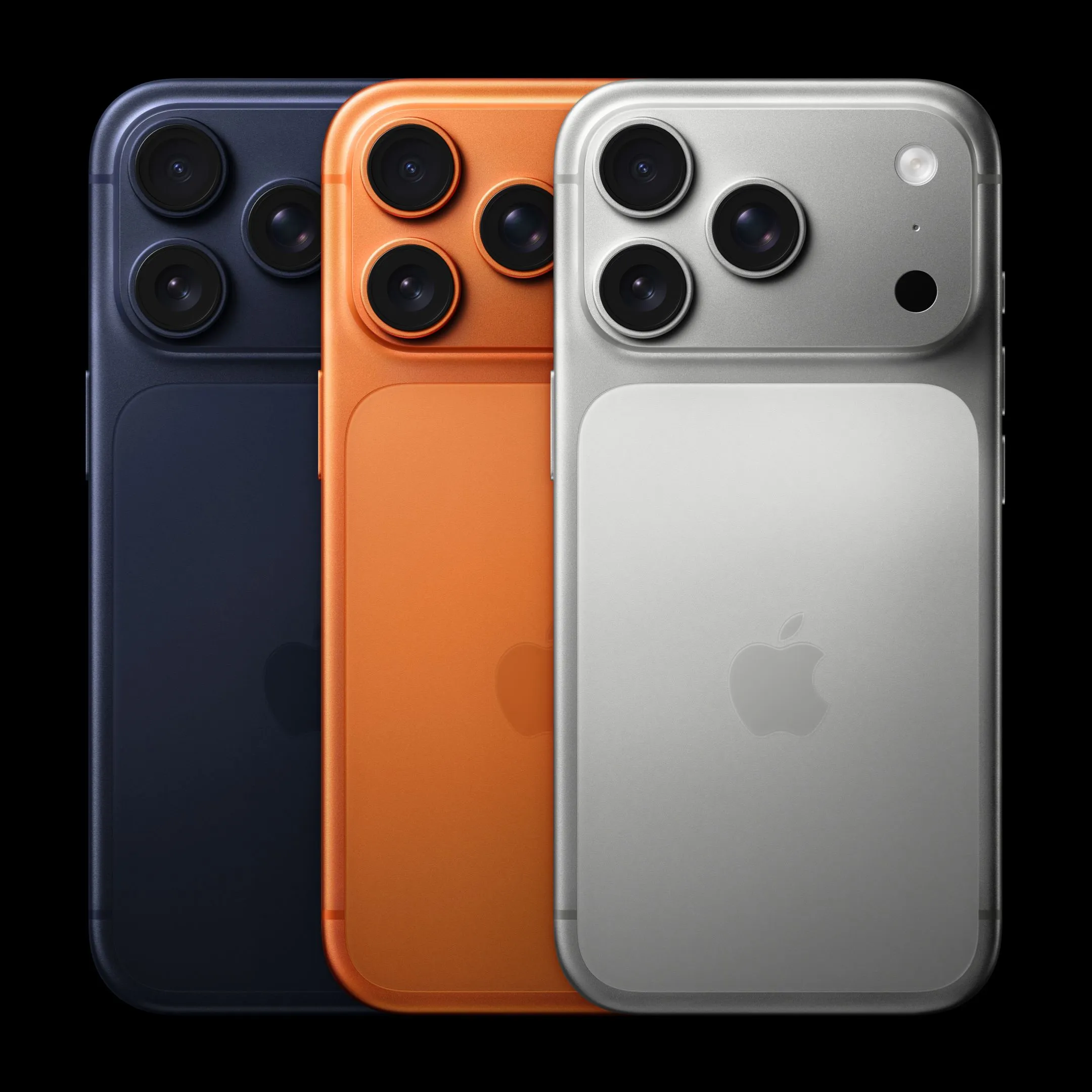
Color options come in three variants: a deep "Deep Blue," a vivid "Cosmic Orange," and a refined "Silver." The hairline-brushed aluminum finish creates a new sense of premium quality distinct from titanium, balancing calm sophistication with functional beauty.
The Heart of the Performance: The A19 Pro and the Innovative "Vapor Chamber" Cooling System
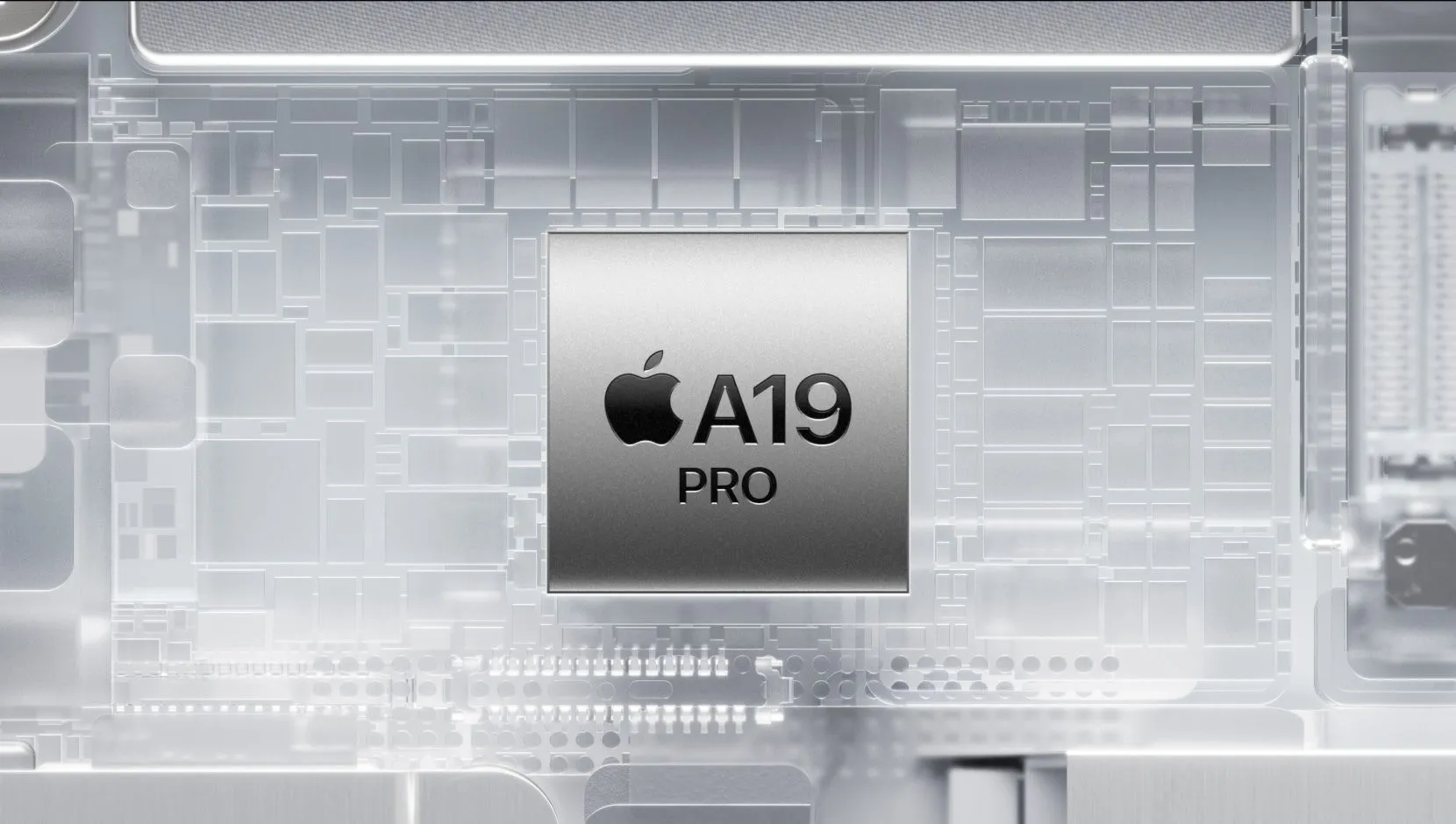
Driving the performance of the iPhone 17 Pro is the newly developed "A19 Pro" chip (Japanese). Equipped with a 6-core CPU and 6-core GPU, this chip—touted as the fastest in smartphone history—delivers value that extends beyond mere processing speed improvements. According to Apple, when combined with the vapor chamber cooling system, the A19 Pro delivers up to 40% better "sustained performance" compared to the iPhone 16 Pro.
This is an extremely important evolutionary point. Conventional smartphones could achieve high momentary performance in benchmark tests, but during extended sessions of demanding games or video editing, thermal throttling—a performance decline caused by heat—was unavoidable. The iPhone 17 Pro laser-welds a "vapor chamber"—in which sealed deionized water repeatedly vaporizes and condenses to transfer heat—into its aluminum chassis. This efficiently diffuses the heat generated by the chip across the entire body, making it possible to maintain stable performance even under heavy load.
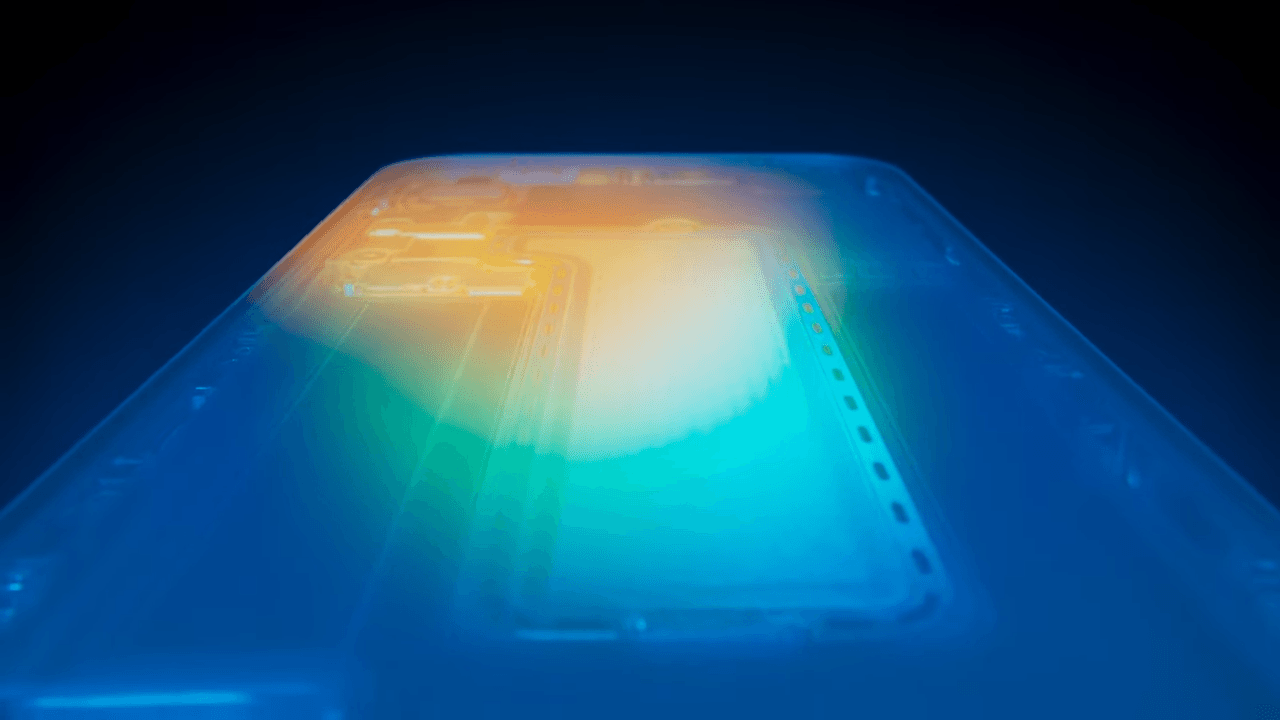
This sustained performance is directly linked to the execution capability of on-device AI—namely, "Apple Intelligence"—an area Apple has been focusing on heavily in recent years. Running large language models (LLMs) directly on-device without relying on the cloud requires powerful and stable processing power. The A19 Pro adopts a new architecture that embeds a Neural Accelerator into each GPU core, enabling AI-related tasks to be processed faster and more efficiently than ever before. The inclusion of the vapor chamber can be seen as an inevitable strategic choice made with the coming era of on-device AI in mind.
A "Reinvention" of the Camera System: The Shock of 48MP Across All Lenses and 8x Optical-Quality Zoom
The iPhone 17 Pro has also undergone a dramatic evolution in its camera system that truly deserves to be called a "reinvention." The biggest topic is that all three rear cameras—the main (wide), ultra-wide, and telephoto—are now equipped with 48-megapixel "Fusion Camera" sensors.

This means every lens now serves as an equally capable protagonist with matching resolution, delivering consistent high image quality even when switching lenses depending on the shooting scene. In standard shooting mode, a "pixel binning" technology that combines four pixels into one produces images equivalent to 12 megapixels—but with more light captured and less noise, resulting in sharper, clearer photos.
The evolution of the telephoto camera in particular is remarkable. Adopting a next-generation tetraprism design, the sensor size has grown by 56% compared to the previous generation. This has finally enabled up to 8x (equivalent to 200mm focal length) "optical-quality zoom." This technology crops the central portion of the 48-megapixel sensor, delivering clear telephoto shots comparable to true optical zoom without any degradation in image quality. Users can also select a 4x (100mm) zoom suited for portrait photography, giving them access to what is literally like "eight pro lenses in your pocket"—an overwhelming degree of shooting freedom.
The front camera has also been redesigned, becoming a "Center Stage front camera" featuring the first-ever square 18-megapixel sensor in iPhone history. This makes it possible to capture wide, landscape-orientation group selfies while holding the iPhone vertically, and AI can automatically track subjects to maintain optimal framing.

On the software side, the enhanced "Photonic Engine" leverages machine learning to improve the detail and color accuracy of every photo. Additionally, a new photographic style called "Bright," available with iOS 26, brightens skin tones and gives photos a vibrant sense of energy overall.

Transforming Professional Video Production: New Frontiers with ProRes RAW and Genlock
Apple is positioning the iPhone 17 Pro not merely as a smartphone with a high-performance camera, but as a professional video production tool. This ambition is clearly reflected in the fact that it is the world's first smartphone to support both "ProRes RAW" and "Genlock."
ProRes RAW is a professional-grade video codec developed by Apple that records all the information captured by the sensor, offering unparalleled flexibility in post-production (editing). Being able to shoot directly on an iPhone in a format previously reserved for high-end cinema cameras is a revolutionary development for video creators.

Even more striking is the support for "Genlock." This is a professional-grade technology used to precisely synchronize the timing of footage from multiple cameras down to the frame level. With Genlock, the hours of manual frame-matching work become unnecessary, and advanced special effects seen in films (such as bullet time) can be achieved with ease. The fact that Apple revealed it used the iPhone 17 Pro to film the announcement event itself is a testament to its absolute confidence in the device's practical usability.
A "Dual Capture" feature that allows simultaneous recording from the front and rear cameras has also been added, significantly expanding the possibilities for interview videos and vlog production.
The Best Battery Life in iPhone History: The Unexpected Benefit Brought by eSIM
While performance and features have been significantly enhanced, the iPhone 17 Pro Max has achieved "the best battery life in iPhone history." According to Apple's published figures, video playback time reaches up to 39 hours—2 hours more than the previous model.
One secret behind this improved battery performance lies in the aggressive use of eSIM. In eSIM-only models sold in certain countries and regions, including Japan, the space that would have been occupied by a physical SIM card tray has been cleverly reallocated to expand battery capacity through optimized internal design. This allows for up to 2 additional hours of video playback compared to models with a physical SIM slot.
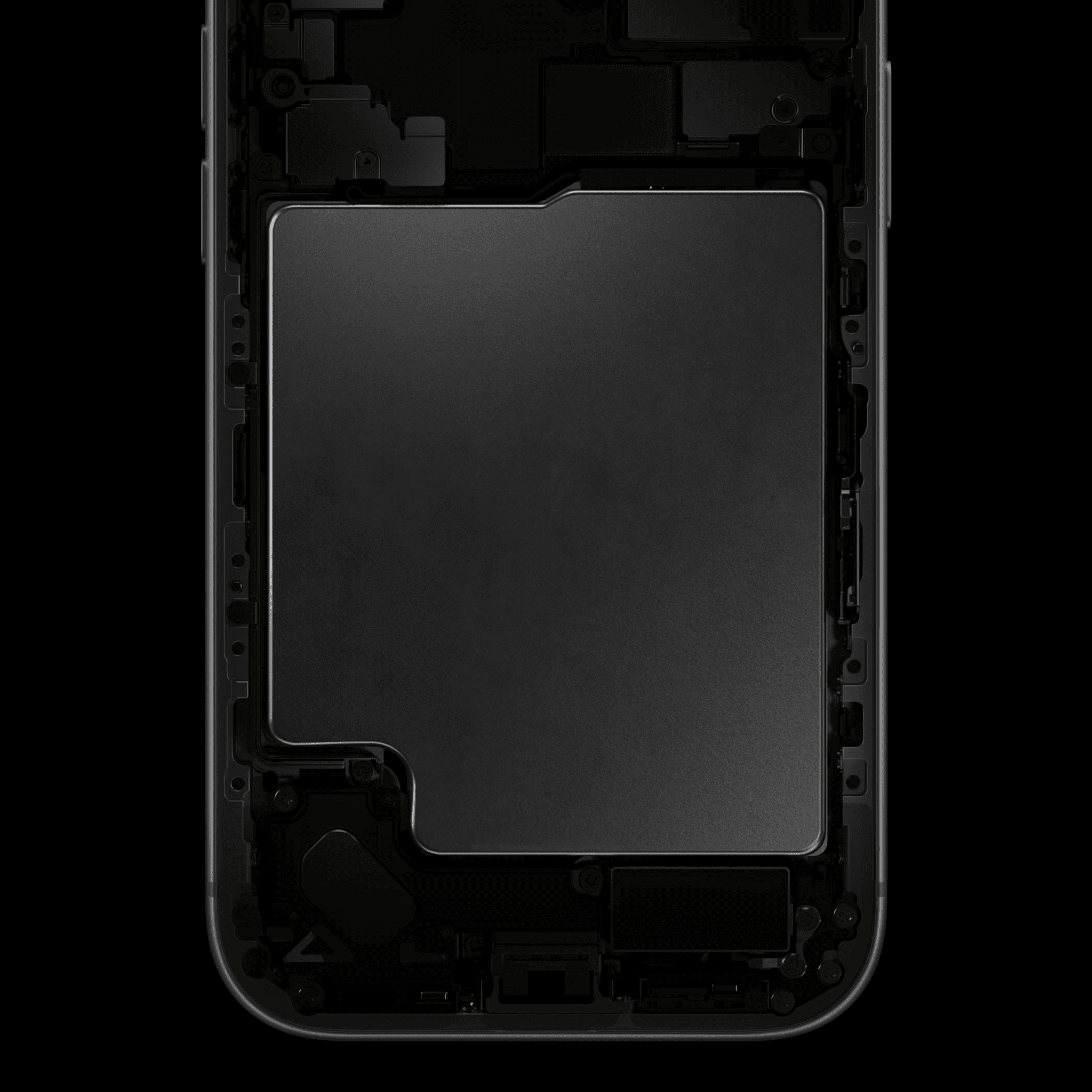
Charging performance has also improved: using the optional 60W adapter enables 50% charging in just 20 minutes. Wireless charging via MagSafe now supports up to 25W, further enhancing convenience.
Price, Release Date, and Impact on the Market
For the iPhone 17 Pro, the base storage has doubled from the previous 128GB to 256GB, with pricing in Japan starting at 179,800 yen. The iPhone 17 Pro Max likewise starts at 256GB, with Japanese pricing starting at 194,800 yen. The Pro Max also offers a 2TB storage option for the first time ever.
Pre-orders begin on Friday, September 12, with release scheduled for Friday, September 19.
The arrival of the iPhone 17 Pro series is likely to have a significant impact on the smartphone market as a whole. The return from titanium to aluminum and the adoption of the vapor chamber once again highlight the growing importance of thermal design in future high-end smartphones. Furthermore, the higher performance across all lenses and the inclusion of professional-grade video features will likely push competitors toward similar advancements.
Sources