

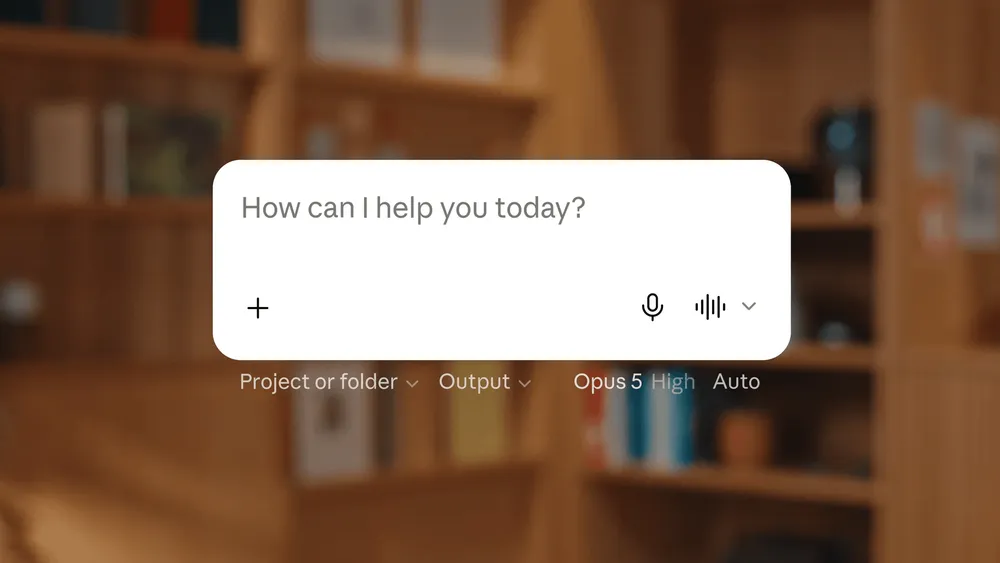
On September 16, 2026, Anthropic announced it would unify Claude Chat and Claude Cowork into "one Claude." Rather than separating the space for quick questions from the space for multi-step work involving files and tools, Claude will now draw on whatever capabilities it needs from any conversation. The rollout will reach Pro and Max users across web, desktop, and mobile over several weeks, with Team and Free plans to follow. What's disappearing is the burden of users having to choose an entry point for their work. However, this doesn't mean plans, permissions, execution location, and usage limits are all becoming one.
From July's Shared Home to September's Work Integration
This isn't the first point of contact between Chat and Cowork. On July 7, Anthropic expanded Cowork to web and mobile, bringing Chat and Cowork projects and artifacts together into a single home. The cloud version of Cowork gained the ability to keep working even after closing the device, but users still had to choose between Chat and Cowork when starting a conversation.
What became unified on July 7 was the home, projects, and artifacts; what became integrated on September 16 is task routing and execution capability. Lining up the official changelog reveals how this integration progressed in stages.
| Timing | What Was Unified/Added | Boundary That Remained |
|---|---|---|
| June | Direct editing of drafts created in Chat and Cowork alongside the conversation | Entry point choice between Chat and Cowork |
| July 7 | Shared home, projects, artifacts, cloud execution | The choice of where to start work |
| August 25 | Memory shared across Chat and cloud-based Cowork | Where tasks are executed |
| September 16 | Access to Cowork and Design capabilities from any conversation | Plans, permissions, device access, usage |
So September's change isn't simply a cosmetic merger of two tabs. Storage and memory were unified first, and finally, the decision of where to bring work has shifted to Claude's side. Without knowing about the July update, one might mistakenly think this announcement marks the first time Chat and Cowork were connected.
What Does It Mean for Claude to Route Work?
Anthropic previously separated large tasks into Cowork and visual production into Claude Design. The problem was that users had to judge the type of task before making a request, and content started in one couldn't easily carry over to the other. After integration, moving from a regular question to report creation now carries over the conversation's context, skills, and connectors.
For example, after asking about changes in a sales pipeline, that content can be compiled into a regular report, and five slides for an executive meeting can also be created—all from a single conversation, meaning the report and slides can draw on the same information. Setting up a schedule also enables running the same workflow every week.
Even so, this isn't a design where Claude executes anything without user confirmation. By default, it asks for confirmation before taking action. Users can change the setting to let work continue, only notifying them when detailed judgment is needed. The degree of automation is selectable. Existing chats, projects, artifacts, connectors, and skills also remain intact—Anthropic states there's no need to manually move them elsewhere.
Here, the role of the products themselves changes. Instead of the fixed division where Chat returns answers and Cowork executes work, the boundary shifts to one where answering and executing intermix mid-conversation. What users choose is no longer a product name, but how much to delegate to Claude and where to step in for confirmation.
Docs and Slides Bring Outputs Back Into the Conversation
Alongside the integration, Anthropic added Claude Docs and Claude Slides. Claude Design also now operates within conversations. Documents are co-written with Claude, and slides can be edited directly after generation. Slides can be presented within Claude and exported to PowerPoint or PDF. Outputs created with Docs, Slides, and Design can all be opened from a single shared link, viewable on mobile as well.
This shortens the workflow where AI returns text or slide material that a person then pastes into a separate app. After revising a report, the slides based on that content can be edited within the same conversation. Use cases are also described where team members annotate a document, and the author reflects changes either through instructions to Claude or direct editing. The conversation becomes both where outputs are generated and a workspace with an editing history.
However, all three creation features are betas for paid plans. The fact that Team and Free plans will eventually be included in the Chat-Cowork integration doesn't mean the same for Docs, Slides, and Design being made available to free users. In Enterprise, administrators choose when to enable creation features. The standalone Claude Design also remains as before, so this isn't an announcement immediately discontinuing all creation screens.
While export to PowerPoint and PDF has been confirmed, feature compatibility with Microsoft Office, fidelity of complex layout reproduction, and collaborative editing limits haven't been disclosed. Whether this can replace existing office products needs to be judged by actually bringing beta-created outputs back into real business files.
Even With One Screen, Permissions and Compute Aren't Unified
Cowork on web and mobile runs tasks on Anthropic's servers. However, reaching local folders and apps requires Claude Desktop. Work handling files and connectors in the cloud versus work editing files on your own PC involves different execution locations and required permissions, even within the same conversation. The UI integration doesn't eliminate this device boundary.
Usage limits also remain differentiated. The current Cowork product page explains that agentic tasks, which combine multiple sub-agents and tool calls, consume more usage than regular Chat. If a switch to longer-running work happens post-integration, compute usage could change even though the conversation looks the same. Anthropic hasn't disclosed the usage difference between regular responses and long-running tasks, nor how this will be displayed in the unified interface.
Official documentation updates are also still in progress. The Cowork product page, as accessed on September 17, still describes "switching to Cowork next to Chat" and states "regular Chat cannot directly access files." This doesn't align with the September 16 announcement that users "no longer need to choose." Since the new features are rolling out in stages, it's premature to read the existing page's distinctions as the finalized specification post-integration.
Enterprise operates on yet another timeline. Anthropic states it will notify administrators at least 30 days before changes affect an organization, but hasn't indicated a rollout start date. The mechanism for administrators enabling creation features and the notification for the Chat-Cowork integration itself need to be considered separately.
Claude Code Is Not Part of This Integration
Despite the "one Claude" name, what was announced this time covers Chat and Cowork. Claude Code, intended for software development, is provided via terminal, desktop, and IDEs like VS Code and JetBrains. Even though Cowork brings the same agentic approach to knowledge work, this isn't an announcement that integrates the developer execution environment and product flow as well.
This distinction matters when companies set usage rules. Document creation, local file operations, and source code changes each involve different data being touched, tools being executed, and operations that need auditing. A single entry point doesn't justify granting permissions in a blanket manner. There needs to be visibility into which capability a task switched to and where—on which device or in which cloud—it ran.
What's worth verifying after the rollout to Pro and Max progresses further isn't the unified interface itself, but whether the contents of execution become harder to see even as users no longer need to navigate multiple entry points. If the rollout date for individual accounts, the frequency of pre-action confirmations, usage for long-running tasks, and Enterprise's audit and admin screens all come together, "one Claude" will become a workspace connecting answers to finished outputs. If they don't come together, users will find themselves searching for invisible costs and permission boundaries in place of the tabs that disappeared.