

テクノロジー
Apple「A20」チップとiPhone 18シリーズの全貌:2nmプロセス移行と次世代パッケージング技術がもたらす変革
iPhone 18 Pro向けA20 ProチップはTSMCの2nmプロセスと新パッケージング技術WMCMを採用し、AI処理と電力効率を大幅に向上させる。ベースモデルのiPhone 18はDRAM供給不足からWMCMを見送るが、メモリを12GBに増強し、Appleはリリースサイクルを分割してサプライチェーンの負荷分散を図る。

別名: A20, A20チップ
A20はAppleが開発した次世代モバイル向けSoCであり、2026年に登場が見込まれるiPhone 18シリーズに搭載される予定である。上位モデルのiPhone 18 Pro向けには「A20 Pro」が用意され、TSMCの2nmプロセスと新パッケージング技術WMCM(Wafer-level Multi-Chip Module)を採用することで、AI処理性能と電力効率の両面での向上が図られている。
A20はApple独自設計のARMベースSoCで、CPU・GPU・Neural Engineを統合する従来のAシリーズの流れを受け継ぐ。最大の特徴はTSMCの2nmプロセスへの移行と、メモリをチップ内に統合する新設計であり、これにより処理速度の向上と電力効率の改善が期待されている。上位版A20 ProではWMCMというパッケージング技術が採用され、熱効率の向上とAI処理能力の強化が図られる一方、ベースモデル向けのA20はコストやサプライチェーンの制約から仕様が一部異なる見込みである。
A20はTSMCの2nmプロセス量産の初期段階を占める重要な製品として位置づけられている。2026年4月には、TSMCが2025年第4四半期に予定通り2nm量産を開始し、Appleがその初期生産能力の半数を確保しているとの報道があった。同時期には、A20 Proにおいてメモリをチップ内に統合する設計により、最大15%の速度向上が見込まれるとの分析も示されている。こうした技術的刷新は、スマートフォン向けSoCの微細化競争において、AppleがTSMCの最先端プロセスを優先的に確保する立場を維持していることを示している。
2026年に入り、A20を取り巻く状況はDRAM・NANDフラッシュメモリの価格高騰という業界全体の逆風の影響を強く受けている。2026年5月には、Morgan Stanleyによる台湾サプライチェーン調査を基に、A20チップの価格交渉の舞台裏やメモリインフレがiPhone 18の製造コストに与える影響が報じられた。同年6月3日には、DRAM価格が230%規模で高騰し、1チップあたり70ドル相当のコスト増につながる可能性があるとの報道が出ており、Appleがこれに対抗する動きを進めているとされる。
2026年6月8日には、iPhone 18 Pro向けA20ProがTSMCの2nmプロセスとWMCMパッケージング技術を採用し、AI処理と電力効率を大きく向上させる一方、ベースモデルのiPhone 18ではDRAM供給不足からWMCMの採用が見送られ、代わりにメモリ容量を12GBに増強することで対応するとの見通しが示された。Appleはこの世代でリリースサイクルを分割し、Proモデルと標準モデルの投入時期をずらすことでサプライチェーンの負荷分散を図る戦略を取っているとされる。
さらに2026年6月27日には、TSMCがAppleを含む主要顧客に対し最先端半導体の価格引き上げを通知し始めたとの報道があり、NANDおよびDRAM価格の急騰と合わせて、iPhone 18が値上げを避けられない可能性が指摘されている。一方で2026年6月3日の別の報道では、Appleがメモリ高騰を逆手に取り、価格を据え置く戦略を描いているとの見方も示されており、A20を核とするiPhone 18の価格戦略は市場の注目点となっている。
iPhone 18 Pro向けA20 ProチップはTSMCの2nmプロセスと新パッケージング技術WMCMを採用し、AI処理と電力効率を大幅に向上させる。ベースモデルのiPhone 18はDRAM供給不足からWMCMを見送るが、メモリを12GBに増強し、Appleはリリースサイクルを分割してサプライチェーンの負荷分散を図る。

2026年に入り、テクノロジー業界全体が深刻な「メモリ価格高騰」という逆風にさらされている。DRAMおよびNANDフラッシュメモリの供給不足と価格上昇は、スマートフォンメーカーの収益構造を根底から揺るがす事態となっている […]

世界的な投資銀行であるMorgan Stanleyが実施した最新の台湾サプライチェーン調査は、テクノロジー業界に衝撃と安堵の両方をもたらす極めて興味深い事実を明らかにした。 2026年の市場投入が見込まれるiPhone( […]

iPhoneの購入を検討しているならば、早めに決断をした方が良いかもしれない。新たにAppleのサプライチェーンから漏れ聞こえてきたのは、次期iPhoneの製造コストを根底から揺るがす「DRAM価格の異常な高騰」の迫り来 […]

2025年12月現在、iPhone 17 Proシリーズが市場で好評を博す中、テクノロジー業界の視線は早くも2026年秋に登場予定の「iPhone 18」へと注がれている。なぜなら、そこで予定されている刷新が、噂通りであ […]

半導体製造のトップランナーである台湾積体電路製造(TSMC)が、Appleを含む主要顧客に対し、最先端半導体の価格引き上げを通知し始めたとの報道が駆け巡っている。これはスマートフォンの進化を支えてきた「ムーアの法則」が経 […]

台湾の巨人TSMCが、次世代プロセス「2nm」の量産を2025年第4四半期に開始する見通しであることが、台湾メディアDIGITIMESの報じたサプライチェーン情報から明らかになった。加えてAppleがその初期生産能力の「 […]

今年のiPhoneもまだ発表されていない段階ではあるが、2026年9月に発売すると見られるiPhone 18 Proに搭載されるA20チップが、TSMCの最先端2nmプロセスを採用し、メモリをチップ内に統合する革新的な設 […]
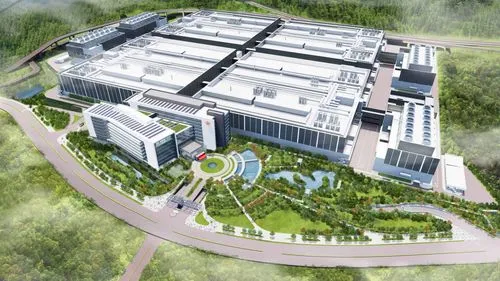
世界最大の半導体ファウンドリであるTSMCは、最先端の2nmプロセス技術の量産を当初計画より前倒しし、2025年内に台湾北部の新竹宝山工場と南部の高雄工場で同時に開始する見込みだ。試作段階での歩留まりが予想以上に好調であ […]

業界アナリストのJeff Pu氏が、AppleのiPhone 18向けA20チップがTSMCの2nmプロセスで製造されるという予測を明らかにした。少し前には3nmプロセスを使用するとの予測が報じられていたが、2nmプロセ […]

2026年発売予定のiPhone 18シリーズに搭載されるA20チップの製造について、Appleが長年のパートナーであるTSMCからIntelへの移行を検討しているとの情報が浮上した。中国のリーカーFixed Focus […]

2026年に登場予定のiPhone 18シリーズで、Appleは半導体技術の最前線を突き進もうとしている。信頼できる情報筋によると、AppleはTSMCの次世代2nm(ナノメートル)製造プロセスを採用し、新たなパッケージ […]
Acute lung injury is a serious complication of sepsis with high morbidity and mortality. Pyroptosis is a proinflammatory form of programmed cell death that leads to immune dysregulation and organ dysfunction during sepsis. We previously found that adenosine deaminase acting on double-stranded RNA 1 (ADAR1) plays regulatory roles in the pathology of sepsis, but the mechanism of ADAR1 in sepsis-induced pyroptosis and lung injury remains unclear. Here, we mainly investigated the regulatory effects and underlying mechanism of ADAR1 in sepsis-induced lung injury and pyroptosis of pulmonary macrophages through RNA sequencing of clinical samples, caecal ligation and puncture (CLP)-induced septic mouse models, and in vitro cellular experiments using RAW264.7 cells with lipopolysaccharide (LPS) stimulation. The results showed that pyroptosis was activated in peripheral blood mononuclear cells (PBMCs) from patients with sepsis. In the CLP-induced septic mouse model, pyroptosis was mainly activated in pulmonary macrophages. LPS-stimulated RAW264.7 cells showed significantly increased activation of the NLRP3 inflammasome. ADAR1 was downregulated in PMBCs of patients with sepsis, and overexpression of ADAR1 alleviated CLP-induced lung injury and NLRP3 inflammasome activation. Mechanistically, the regulatory effects of ADAR1 on macrophage pyroptosis were mediated by the miR-21/A20/NLRP3 signalling cascade. ADAR1 attenuated sepsis-induced lung injury and hindered the activation of pyroptosis in pulmonary macrophages in sepsis through the miR-21/A20/NLRP3 axis. Our study highlights the role of ADAR1 in protecting pulmonary macrophages against pyroptosis and suggests targeting ADAR1/miR-21 signalling as a therapeutic opportunity in sepsis-related lung injury.
Significance Previous study suggested that A20 plays a crucial role in regulating NLRP3 inflammasome activation, yet the specific mechanism remains to be investigated. Here, we revealed that A20 notably diminishes the expression of NEK7, leveraging its role in moderating the NF-κB signaling pathway. A20 directly binds with NEK7, facilitating its proteasomal degradation by enhancing ubiquitination. Crucially, K189 and K293 residues on NEK7 are pivotal for supporting A20-mediated ubiquitination. A20 affects the binding of NEK7 to NLRP3 complex potentially through its OTU domain and/or synergistic effect of its ZnF4 and ZnF7 motifs. Utilizing A20-derived peptides and genetic approaches, we showed that interfering NEK7 function in macrophages can significantly dampen pyroptosis and alleviate the process of sepsis.
Acute myeloid leukemia (AML) is a deadly hematopoietic malignancy. Although many patients achieve complete remission with standard induction therapy, a combination of cytarabine and anthracycline, ~40% of patients have induction failure. These refractory patients pose a treatment challenge, as they do not respond to salvage therapy or allogeneic stem cell transplant. Herein, we show that AML patients who experience induction failure have elevated expression of the NF-κB target gene tumor necrosis factor alpha-induced protein-3 (TNFAIP3/A20) and impaired necroptotic cell death. A20High AML are resistant to anthracyclines, while A20Low AML are sensitive. Loss of A20 in AML restores sensitivity to anthracycline treatment by inducing necroptosis. Moreover, A20 prevents necroptosis in AML by targeting the necroptosis effector RIPK1, and anthracycline-induced necroptosis is abrogated in A20High AML. These findings suggest that NF-κB-driven A20 overexpression plays a role in failed chemotherapy induction and highlights the potential of targeting an alternative cell death pathway in AML. Patients with Acute myeloid leukemia (AML) who do not respond to standard chemotherapy have limited treatment options. Here, the authors show that high expression of the gene TNFAIP3/A20 in AML cells contributes to chemotherapy resistance by blocking a type of cell death called necroptosis.
TNF-α-induced protein 3 (TNFAIP3), commonly referred to as A20, is an integral part of the ubiquitin-editing complex that significantly influences immune regulation, apoptosis, and the initiation of diverse immune responses. The A20 protein is characterized by an N-terminal ovarian tumor (OTU) domain and a series of seven zinc finger (ZNF) domains. Mutations in the TNFAIP3 gene are implicated in various immune-related diseases, such as Behçet’s disease, polyarticular juvenile idiopathic arthritis, autoimmune thyroiditis, autoimmune hepatitis, and rheumatoid arthritis. These mutations can lead to a spectrum of symptoms, including, but not limited to, recurrent fever, ulcers, rashes, musculoskeletal and gastrointestinal dysfunctions, cardiovascular issues, and respiratory infections. The majority of these mutations are either nonsense (STOP codon) or frameshift mutations, which are typically associated with immune dysfunctions. Nonetheless, missense mutations have also been identified as contributors to these conditions. These genetic alterations may interfere with several biological pathways, notably abnormal NF-κB signaling and dysregulated ubiquitination. Currently, there is no definitive treatment for A20 haploinsufficiency; however, therapeutic strategies can alleviate the symptoms in patients. This review delves into the mutations reported in the TNFAIP3 gene, the clinical progression in affected individuals, potential disease mechanisms, and a brief overview of the available pharmacological interventions for A20 haploinsufficiency. Mandatory genetic testing of the TNFAIP3 gene should be performed in patients diagnosed with autoinflammatory disorders to better understand the genetic underpinnings and guide treatment decisions.