

テクノロジー
AppleのVision Pro人員削減、消えるのは製品ではなく社内制作か
Bloombergによると、AppleはVision Pro、Siri、ソフトウェア部門で200人超を削減する。製品撤退ではなく、内製範囲とAI開発職を組み替える再編だ。

Vision ProはAppleが開発した空間コンピュータであり、複合現実(MR)ヘッドセットに分類される製品である。仮想空間と現実空間を重ね合わせた映像表示を行い、視線トラッキングとハンドジェスチャーによる操作を組み合わせたインターフェースを採用している点が特徴とされる。Appleのハードウェア製品群の中では、iPhoneやMacに続く新たなコンピューティング形態として位置づけられてきた。
Vision Proは、従来のコントローラー操作に依存するVRヘッドセットとは異なり、視線と手の動きを主な入力手段とするインターフェース設計を採用した製品である。Appleはこの製品を通じて「空間コンピューティング」という概念を打ち出し、映像視聴や業務アプリケーションなど複数の用途を想定した展開を進めてきた。
Vision ProはApple製品群の中でウェアラブルデバイス戦略の先行事例と位置づけられる。同社はその後、より軽量なスマートグラス領域への展開も進めており、Vision Proで得られたインターフェース設計や空間認識技術の知見が、後続製品の開発方針に影響を与えているとみられる。市場全体では、XREALやMetaなどが提供する軽量ARグラスとの技術的な対比の中で、Vision Proは高機能・高価格帯の位置づけにある製品として語られることが多い。
2026年に入り、Appleのウェアラブル戦略全体に関する報道が相次いだ。2026年6月にはBloombergのMark Gurman氏が、Apple初のスマートグラス(コード名N50)の発売が視覚AI(Computer Vision AI)の完成度不足を理由に2027年後半へ後ろ倒しになったと報じた。低遅延・低消費電力・高精度という3条件を小型チップで同時に満たすことの難しさが、Vision Proに続くウェアラブル製品開発の障壁となっている点が浮き彫りになった。
同じ2026年6月には、Appleが「ポストiPhone」を見据えた生成AIハードウェア領域への参入を準備しているとの報道も出ており、AIピンやSiriのチャットボット化といった構想が2027年の本格展開を見据えて進行しているとされる。これらの動きは、Vision Proが担ってきた空間コンピューティングの延長線上で、より小型で日常的に使いやすいデバイスへとApple全体の戦略が広がっていることを示している。
一方、2026年4月には、Appleのヒューマンインターフェースデザイン部門を長年率いてきた副社長Alan Dye氏がMetaへ移籍したことが報じられた。没入型体験のUI設計を担ってきた人物の移籍は、Vision Proを含むApple製品のデザイン方針と、競合であるMetaの戦略双方に影響を与える可能性があるとみられている。同月にはTim Cook CEOの退任報道も出ており、Appleの経営体制やハードウェア戦略全体が転換点にあることをうかがわせる材料が重なった時期となった。
これらの動向を総合すると、Vision Proは単独の製品としてだけでなく、Appleがスマートグラスや生成AIハードウェアへと展開していく上での技術的・戦略的な起点として位置づけられていることがわかる。
Bloombergによると、AppleはVision Pro、Siri、ソフトウェア部門で200人超を削減する。製品撤退ではなく、内製範囲とAI開発職を組み替える再編だ。

BloombergのMark Gurman氏が報じた最新情報によると、Apple初のスマートグラス(コード名N50)の発売が視覚AI(Computer Vision AI)の完成度不足を理由にlate 2027へ後ろ倒しとなった。「低遅延×低消費電力×精度」の3条件を小型チップで同時達成できないという技術的壁が、Metaとの競争ポジションとApple全体のウェアラブル戦略に影響を与えている。

2026年1月29日、Appleが発表した2026年度第1四半期(2025年10月〜12月期)決算は、ウォール街の予測を嘲笑うかのような記録的な数値となった。売上高は前年同期比16%増の1,438億ドル(約21兆円規模) […]

AppleのAI戦略は2027年にやっと本格化するかもしれない。 長らく沈黙を守り、慎重な姿勢を崩さなかったAppleが、ついに生成AIハードウェアの領域へ本格的な侵攻を開始しようとしていることが、Bloomberg、T […]

2026年のCES(コンシューマー・エレクトロニクス・ショー)において、ASUSのゲーミングブランドROG(Republic of Gamers)が、ARグラス市場のパイオニアであるXREALとタッグを組み、衝撃的な製品 […]

CES 2026を目前に控えた2026年1月4日、AR(拡張現実)グラス市場のリーダーであるXREALは、新たな主力製品となる「XREAL 1S」および、革新的なパワーハブ「XREAL Neo」を発表した。 本記事では、 […]

2026年1月、カリフォルニアを拠点とするスタートアップ「Pickle」が発表した「Pickle 1」という名のハードウェアが密かに話題を呼んでいる。 一見すると、単なるAR(拡張現実)グラスのようにも見えるが、彼らが提 […]

シリコンバレーの勢力図において、地殻変動とも呼べる重大な人事異動が発生した。 2025年12月初旬、Appleのヒューマンインターフェースデザイン部門を長年牽引してきた副社長、Alan Dye(アラン・ダイ)氏が同社を去 […]

2011年8月、病床のSteve Jobs氏からバトンを受け継いで以来、14年以上にわたり巨大テック企業Appleを率いてきたTim Cook CEO。その彼が、早ければ2026年にもCEOを退任する可能性があると、英F […]

Appleが、次世代の独自開発チップ「M5」を搭載した新製品群を、早ければ今週中にも発表する可能性が急浮上している。Apple関連の内部情報に精通するBloombergの著名アナリスト、Mark Gurman氏が自身のニ […]

Appleが、大きな期待を集めていた空間コンピュータ「Vision Pro」の廉価版開発計画を中断し、そのリソースをMetaが先行するスマートグラスの開発に振り向けていると報じられた。米Bloombergの名物記者Mar […]

ECの巨人Amazonが、次なる戦場として「我々の顔の上」に照準を定めたようだ。The Informationの報道によると、同社は消費者向けと業務用の2種類のスマートグラスを開発中であり、特に消費者向けモデル「Jayh […]

Appleは2025年9月9日(日本時間10日)に開催された特別イベント「Awe-dropping」において、同社のワイヤレスイヤホンのフラッグシップモデル「AirPods Pro 3」を正式に発表した。 前モデルの登場 […]

Appleの聖域が揺らいでいる。Bloomberg報道によると、同社は長年の自社開発主義を捨て、AnthropicやOpenAIの大規模言語モデル(LLM)をSiriの新バージョンに採用することを検討しているというのだ。 […]

Appleが世界開発者会議(WWDC 2025)で発表したiOS 26の新たなデザイン言語「Liquid Glass」。それは、まるで水滴やガラスのような透明感と光の屈折を取り入れた、美しいインターフェースだった。しかし […]
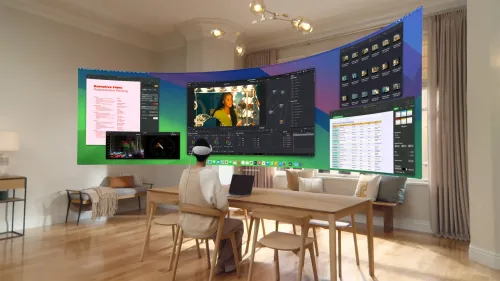
Appleの複合現実(MR: Mixed Reality)ヘッドセット「Vision Pro」は、その先進性にもかかわらず高価格がネックとなり、販売が伸び悩んでいる。この状況を受け、同社はより手頃な価格の軽量モデル、通称 […]

Appleは、iOS 18.4およびiPadOS 18.4を含む複数のOSのリリース候補(RC)版を開発者向けに公開した。「Apple Intelligence」のAI機能拡充や複数の新機能を搭載したこのアップデートは、 […]
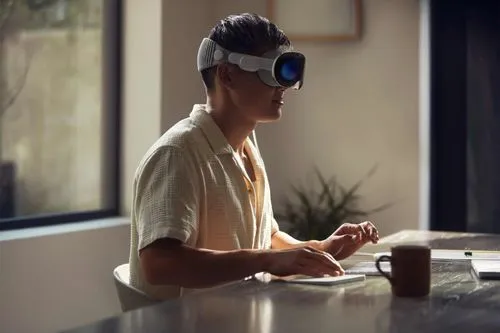
Apple Vision Proの新たな展開として、SonyのPlayStation VR2(PSVR2)コントローラーへの対応が検討されていることが明らかになった。BloombergのMark Gurman氏の報道によ […]
Appleの長らく待たされたAI機能の全貌はWWDCでついに明らかになったが、実際にその最も大きな変化である“新たなSiri”による数々の画期的な機能をユーザーが体験できるまでには、まだ少し時間がかかりそうだ。最新の情報 […]
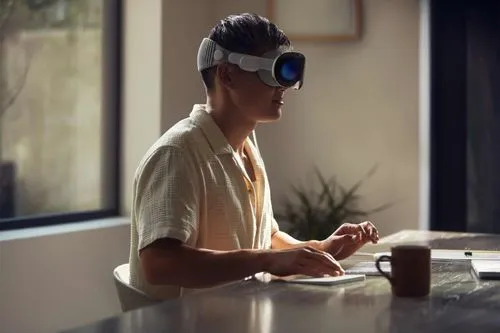
日本でもいよいよ発売が開始されるAppleの初の「空間コンピュータ」こと「Vision Pro」は、599,800円という信じられないような高価格で、恐らくほとんどの人にとっては手の届かない物となっている。そのユーザー体 […]
With its recent release, the Apple Vision Pro (Apple Inc., Cupertino, CA) represents a promising technological advancement of mixed reality in the field of neurosurgery and medicine more broadly. With all new technologies, it is critical to facilitate early use and assessment of the technology to facilitate adoption by the larger medical community. A 44-year-old female with a history of ruptured intracranial aneurysm status post anterior communicating artery aneurysm clipping presented with worsened confusion and intermittent headache. CT imaging revealed evidence of hydrocephalus due to the malfunction of a previous right parietal ventriculoperitoneal (VP) shunt. Prior to the case, the Apple Vision Pro was used in the operating room to visualize and interact with a 3D model of the patient's anatomy for the patient undergoing a VP shunt placement. A visualization of the 3D model through the headset was used to plan the approach and entry point. At the conclusion of the procedure, all clinicians and operating staff who used the technology for planning completed a survey about their initial impressions of the headset. Overall, users felt the 3D models felt realistic (4.5/5), that the display of the user's real-world view felt natural (4.3/5), and that the headset did not cause eye strain or fatigue (4.5/5). The majority of users responded that they would continue to use the headset for cases (4/5). This represents one of the first known clinical uses of the Apple Vision Pro. It is a cutting-edge technology that will likely provide immense value for healthcare providers as it becomes more integrated into clinical care.
Laparoscopic ultrasound-guided liver microwave ablation requires precise navigation and spatial accuracy. We developed an image fusion navigation system that integrates laparoscopic, ultrasound, and 3D liver model images into a unified real-time visualization. The Apple Vision Pro mixed reality device projects all essential image information into the surgeon’s field of view in real-time. This system reduces cognitive load and enhances surgical precision and efficiency. Comparative experiments showed a significant improvement in puncture accuracy under AVP guidance (success rate of 90%) compared to traditional methods (42.5%), benefiting both novice and experienced surgeons. According to the NASA Task Load Index evaluation, the system also reduced the workload of surgeons. In eight patients, ablation was successful with minimal blood loss, no major complications, and rapid recovery. Despite challenges such as cost and fatigue, these results highlight the potential of mixed reality technology to improve spatial navigation, reduce cognitive demands, and optimize complex surgical procedures.
Spatial computing is set to change the way we work. It will enable both focused work through a higher degree of immersion and collaborative work through enhanced integration of shared interaction spaces or interaction partners. With the Apple Vision Pro, the level of immersion can be adjusted seamlessly. So far, there have been no systematic studies on how this adjustability affects work performance when working alone or together. The present empirical study fills this research gap by varying the level of immersion across three stages (high, medium, low) while solving various tasks with the Apple Vision Pro. The results show that selective attention improves significantly with increasing immersion levels. In contrast, social presence decreases with increasing immersion. In general, participants performed better in the individual task than in the collaborative task. However, the degree of immersion did not influence the collaborative performance. In addition, we could not determine any adverse effects on depth perception or user experience after use. The present study provides initial contributions to the future of spatial computing in professional settings and highlights the importance of balancing immersion and social interaction in a world where digital and physical spaces seamlessly coexist.
Apple recently unveiled capturing spatial video experiences on an iPhone and their extended reality (XR) headset Vision Pro. Spatial videos can be viewed on immersive near-eye displays like the Apple Vision Pro for a more realistic experience with depth perception. However, streaming spatial videos encounters several challenges, such as bandwidth limitations, latency, and synchronization issues between multiple camera views. This position paper presents a comprehensive research agenda to address these issues and make spatial video streaming as ubiquitous as traditional online video for mobile systems and applications. We outline several research threads for exploration and discuss a series of novel ideas, including view-adaptive streaming strategies, multipath support, and QoE modeling, which we believe will become the fundamental components for future video experiences on mobile and wearable devices.
With the development of spatial computing devices, there arises a need to analyze consumer opinions about products such as the Apple Vision Pro (AVP), a technology that combines augmented reality (AR) and virtual reality (VR). This study aims to analyze consumer opinions on the Apple Vision Pro by utilizing data from the social media platform X. Three algorithms—Random Forest, Support Vector Machine (SVM), and Naïve Bayes—are used in text categorization to identify sentiment trends. Data was collected through a crawling process, resulting in 3,753 entries. After preprocessing and labeling, 2,609 clean data points were obtained, with 1,618 classified as negative and 991 as positive. In sentiment analysis, Random Forest delivered the best performance with an accuracy of 83%, followed by SVM at 80%, and Naïve Bayes at 75%. These results indicate that the Random Forest algorithm is more effective in sentiment categorization related to Apple Vision Pro. This study provides significant contributions to companies in understanding public perceptions and crafting more precise data-driven marketing strategies.