

テクノロジー
67W充電器でも25W止まり Pixel 11 Pro XLが要求する21V PPS
Pixel 11 Pro XLの45W充電は、21V PPS対応アダプターと超速充電モードの両方が条件になる。通常モードと専用モードの実測差から、購入後に確認すべき点を解説する。

Android Authorityは、2007年に設立されたテクノロジー専門のニュースサイトである。Android OSおよびそれを取り巻くスマートフォン、SoC、周辺サービスの動向を中心的な取材対象とし、公式発表だけでなく未発表機能のリークや内部コード解析に基づく報道を強みとするメディアとして知られる。公式サイトはandroidauthority.comであり、報道業界に分類される出版・ニュース事業者として位置づけられている。
Android Authorityは、Googleが展開するPixelシリーズやTensor SoC、Android OSのベータ版に関する詳細な技術解析記事を継続的に発信していることで知られる。単なるプレスリリースの転載ではなく、APKの解析やAndroidベータビルドの内部コードを掘り下げる調査報道的な手法を用い、Google自身が公式発表する前に新機能の存在を明らかにすることが多い。この特性から、Android関連の業界動向を追う読者や他メディアにとって一次情報源に近い役割を担っている。
設立以来、Android Authorityは報道分野に特化したメディアとしてAndroidエコシステムの成長とともに規模を拡大してきた。設立時期はAndroid OS自体の普及初期にあたり、以後スマートフォン市場の拡大とGoogleのハードウェア事業(Pixelシリーズ、ChromeOS製品など)の展開に合わせて取材対象を広げてきた。Twitter(AndroidAuth)やLinkedInなどのソーシャルメディアでも情報発信を行っており、速報性を重視した運営体制が続いている。
2026年に入ってからも、Android Authorityが伝える情報はGoogleのAndroid・Pixel関連報道において繰り返し参照されている。2026年4月にはPixel 10シリーズの4モデル構成や新機能が公式サイト等からのリークとして報じられ、同年5月にはAndroid 17 Beta 4から浮上した未発表のPixel向け通知機能「Pixel Glow」の存在が取り上げられた。同じく5月には、GoogleアシスタントからGeminiへの移行過程で確認された不安定な挙動に関する報道もあり、Google Home領域におけるAI移行の実態を追う記事が見られた。2026年6月には、次期Pixel 11がAI需要によるメモリ価格高騰の影響でRAM構成を抑える可能性があるとする分析や、Pixel 10のTensor G5向けGPUドライバ更新をGoogleが公式に認めた件についての報道が続いた。こうした一連の報道は、GoogleのAndroid・Pixel戦略に関する最新情報を追跡する上で、Android Authorityの取材と分析が引き続き参照点となっていることを示している。
Pixel 11 Pro XLの45W充電は、21V PPS対応アダプターと超速充電モードの両方が条件になる。通常モードと専用モードの実測差から、購入後に確認すべき点を解説する。

Galaxy Z Fold8とUltraは1週間後、折り目が光の角度で見えやすくなった一方、触感の平らさを保った。Flex Titaniumの効果を構造と旧世代比較から検証する。

Googleは、ChromeOSとAndroidを融合しGeminiをOS全層に組み込んだ新OS搭載の「Googlebook」を2026年秋に出荷すると発表した。これはAIを前提とした操作体系を試す新たなカテゴリであり、カーソルが指す対象をAIが読み取り次の操作を提案する「Magic Pointer」などの機能により、通常のPC操作の高速化が期待されている。従来のChromebookは継続され、Googlebookはプレミアム志向のAI前提PCとして位置づけられる。

次期Pixel 11は、AIデータセンター向けHBM需要増によるLPDDR5X価格高騰の影響で、前世代より少ないRAM構成で出荷される見込みだ。しかし、Tensor G6へのTSMC N2プロセス移行やMediaTek製モデム採用、カメラセンサー刷新により、電力効率と通信性能、画質の向上が期待される。

Android 17 Beta 4から、未発表のPixel向け通知機能「Pixel Glow」の存在が浮上した。この機能は端末を伏せた状態で「控えめな光と色」で情報を伝えることを想定しており、既存のアクセシビリティ機能であるFlash notificationsとは異なる、Pixel独自の通知体験を提供する可能性がある。特に「hardware lights」の要件は、OSから制御可能な何らかの物理的な発光機構を前提としていることを示唆するが、具体的な実装は不明である。

Googleはデスクトップ版ChromeのサイドバーにGemini向け新機能「Skills」を展開した。これは、ユーザーが繰り返し使うAIプロンプトを保存し、Webページ上でワンクリックまたはショートカットで呼び出せる機能であり、AIとの対話にかかる手間を削減し、生産性向上とブラウザ戦争におけるGoogleの戦略的な一手となる。また、プリセットSkillを提供するライブラリも公開され、AIを一般ユーザーへ普及させる役割を担っている。

Googleが推進するスマートホームの刷新、すなわちGoogle アシスタントからGeminiへの移行プロセスにおいて、極めて奇妙かつ示唆に富む現象が報告されている。それは、AIがユーザーに対して嘘をつき、あるいは自身の […]

GoogleがPixel 10シリーズに搭載されるSoC「Tensor G5」のGPUドライバアップデートを計画していることを公式に認めた。この発表は、パフォーマンスに関するユーザーコミュニティからの報告を受けてのもので […]
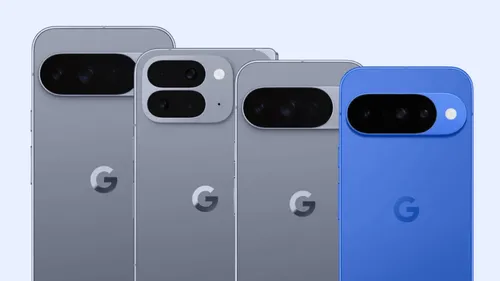
8月20日の公式発表を約1ヶ月後に控え、Googleが次期フラッグシップ「Pixel 10」シリーズの全貌を自ら明かしてしまうという異例の事態が発生した。Google Play Store内で発見された一枚のバナー画像が […]

昨年のPixel 9シリーズで、長年の課題であった指紋認証の信頼性を劇的に向上させたGoogle。だが、2025年の登場が見込まれるPixel 10シリーズにおいては、さらに高速化された次世代の超音波指紋センサーが搭載さ […]

WWDC 2025の基調講演では、OS全体に及ぶ10年ぶりのデザイン刷新「Liquid Glass」が大きな話題を呼んでいるが、恐らくこれと同じくらい重要な発表が静かに行われた。Appleは「Foundation Mod […]

Googleは先日、Googleマップアプリのタイムライントラッキングデータが一部ユーザーで消失した問題について、技術的エラーによりデータが誤って削除されたことを認めた。この問題では、デフォルトでは無効になっているバック […]
Googleが密かに、しかし着実にPixelシリーズのスマートフォンのグラフィック処理能力を引き上げていることが明らかになった。ユーザーからの報告によると、最新のAndroidアップデート後、一部モデルでは最大62%もの […]
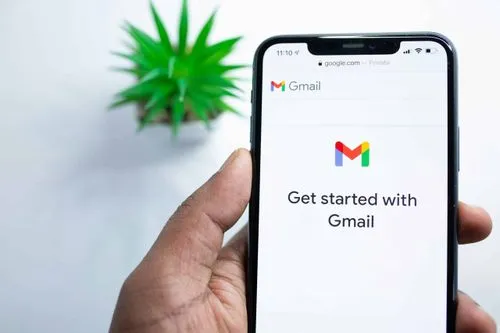
Googleは、GmailにAIを活用し「最も関連性の高い」メールを抽出出来る新しい検索機能を導入した。従来のキーワードベースの時系列順検索から進化し、新しい順やよく開くメール、頻繁に連絡を取る相手などの要素を考慮するこ […]

Googleが次世代スマートフォン「Pixel 10」シリーズに搭載予定の新AI機能「Pixel Sense」の開発を進めていることが明らかになった。元は「Pixie」と呼ばれていたこの機能は、ユーザーのアプリ使用パター […]
Googleがオンラインサービスへの登録時にプライバシーを保護する新機能「Shielded Email」の開発を進めていることは以前から報じられていたが、今回この機能の実装が近付いている事がAndroid Authori […]

Googleは翻訳アプリに新たなAI機能「Ask a Follow-up(フォローアップを依頼)」を近日追加する予定だ。この機能により、ユーザーは翻訳結果のトーンやスタイルをカスタマイズでき、さらに文化的背景など翻訳に関 […]

Microsoftが公式ストアでリリースしているBing Wallpaperに、マルウェアに類似した挙動が確認され、セキュリティ専門家から警鐘が鳴らされている。Windows開発者のRafael Rivera氏による調査 […]

Google Pixel 9シリーズは、前モデルから大幅に搭載メモリが増えているが、これに関し、AIパフォーマンスの向上を目指して革新的なアプローチを採用していることが明らかになった。Pro、Pro XL、Pro Fol […]
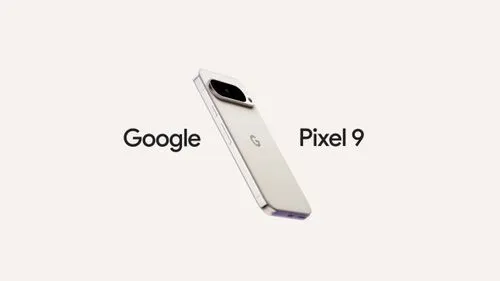
Google の新しい Pixel 9 シリーズは、搭載メモリ(RAM)容量が前モデルから大幅に増加している点で大きな進化を遂げているが、どうやらその全てをユーザーが利用可能なわけではないようだ。一部のメモリはAI機能の […]
With the continuous development of mobile devices, mobile applications bring a lot of convenience to people’s lives. The abuse of mobile device permissions is prone to the risk of privacy leakage. The existing detection technology can detect the inconsistency between the declared authority and the actual use authority. But using the third-party privacy policy as the analysis basis for SDK permissions will result in a large set of extracted declaration permissions, which will lead to identifying risky applications as normal applications during consistency comparison. The prevailing approach involves utilizing models based on TextCNN to extract information from privacy policies. However, the training of TextCNN relies on large-scale annotated datasets, leading to high costs. This paper uses BERT as the word vector extraction model to obtain private phrases from the privacy policy. And then we use cosine similarity to automatically filter permission phrase samples, reducing the workload of manual labeling. On the other hand, existing methods do not support the analysis of Chinese privacy policies. In order to solve the problem of consistency judgment between Chinese privacy policy and permission usage, we implement a BERT-based Android privacy policy and permission usage consistency analysis engine. The engine first uses static analysis to obtain the permission list of Android applications, and then combines the BERT model to achieve consistency analysis. After functional and speed testing, we found that the engine can successfully run the consistency analysis function of Chinese declaration permissions and usage permissions, and it is better than the existing detection methods.
Android smartphones largely dominate the smartphone market. For this reason, it is very important to examine these smartphones in terms of digital forensics since they are often used as evidence in trials. It is possible to acquire a physical or logical image of these devices. Acquiring physical and logical images has advantages and disadvantages compared to each other. Creating the logical image is done at the file system level. Analysis can be made on this logical image. Both logical image acquisition and analysis of the image can be done by software tools. In this study, the differences between logical image and physical image acquisition in Android smartphones, their advantages and disadvantages compared to each other, the difficulties that may be encountered in obtaining physical images, which type of image contributes to obtaining more useful and effective data, which one should be preferred for different conditions, and the benefits of having root authority are discussed. The practice of getting the logical image of the Android smartphones and making an analysis on the image is also included. Although root privileges are not required for logical image acquisition, it has been observed that very limited data will be obtained with the logical image created without root privileges. Nevertheless, logical image acquisition has advantages too against physical image acquisition.