

テクノロジー
Salesforceが自社CRMをClaudeへ:9月ベータで問われる企業の判断
Salesforceは2026年8月26日、Claude上から自社CRMを操作できる提携「Claudeforce」を決算と同時に発表した。同じ決算では調整後1株利益5.90ドルのうち2.53ドルを戦略投資の評価益が占め、製品と財務の両面でAnthropicへの依存が深まっている。

Salesforceは1999年2月にマーク・ベニオフらによって設立された米国のソフトウェア企業であり、顧客関係管理(CRM)分野の世界的リーダーとして知られる。本社はサンフランシスコのセールスフォース・タワーに置かれ、ニューヨーク証券取引所に上場している。クラウドコンピューティングを基盤に、営業・マーケティング・カスタマーサービスなど企業活動全般を支援するソフトウェア群を提供している。
Salesforceの事業はCRMを中核としつつ、Tableau(データ分析)、Heroku(クラウドアプリケーション開発基盤)、Salesforce Marketing Cloud(マーケティング支援)など複数の子会社・サービスを通じて幅広い企業向けクラウド製品を展開している。ClickSoftware TechnologiesやKruxの取得も含め、買収による事業拡張を継続的に行ってきた点が特徴である。CEOは創業者のマーク・ベニオフが継続して務めている。
同社は1999年の創業以来、オンプレミス型ソフトウェアが主流だった企業向けアプリケーション市場に対し、クラウド経由でのサブスクリプション提供モデルを持ち込んだ企業として位置づけられる。以降、CRMを軸に事業領域を拡大し、データ分析、マーケティングオートメーション、アプリケーション開発基盤などを買収によって取り込みながら、企業のデジタル基盤を包括的に支えるプラットフォームへと成長してきた。
2026年5月には、AnthropicによるSalesforceのCRM利用量が1四半期で5倍に膨張したことが報じられ、SalesforceがUIを廃してAPI・MCP・CLI経由でのデータアクセスを提供する新方針「Headless 360」を発表したことが注目を集めた。同社のQ1決算ではAPIコール数がほぼ1兆に達したとされ、これはSaaS業界における競争軸が従来の「UIの優秀さ」から「AIエージェントを含む外部システムからのAPIアクセスのしやすさ」へと移行しつつあることを示す事例として取り上げられている。AI企業がCRMデータを大量に活用する動きが強まる中、Salesforceは自社プラットフォームをAIエージェントの基盤としても機能させる方向へ舵を切りつつあると見られる。
Salesforceは2026年8月26日、Claude上から自社CRMを操作できる提携「Claudeforce」を決算と同時に発表した。同じ決算では調整後1株利益5.90ドルのうち2.53ドルを戦略投資の評価益が占め、製品と財務の両面でAnthropicへの依存が深まっている。

OpenAIはCodexに6種の役割別プラグイン、Sites、アノテーションを追加し、開発者向けのコード支援から部門横断の業務成果物生成基盤へ広げる。非開発者利用の拡大が、その転換を支えている。

SalesforceがUIを廃してAPI・MCP・CLI経由のデータアクセスを提供する「Headless 360」を発表。Q1決算でAPIコールがほぼ1兆に達し、SaaSの競争軸が「UIの優秀さ」から「APIアクセスのしやすさ」へ移行しつつある。

Anthropicは、AIモデルの企業導入における「最後の1マイル」問題解決のため、Blackstoneなどと15億ドルの合弁会社を設立した。この新会社は、Palantirが確立したFDEモデルを採用し、中堅企業向けにエンジニアを常駐させ、技術統合から変化管理まで一貫した導入支援を提供する。これは、AI産業の競争軸がモデル性能からデリバリー能力へ移行しつつあることを示唆しており、OpenAIも同様の動きを見せている。

NVIDIAが、急速に立ち上がりつつある自律型AIエージェント市場における自らの主導権を確固たるものにするため、新たなオープンソースプラットフォーム「NemoClaw」のローンチ準備を急ピッチで進めていることがWired […]

2026年2月、OpenAIが世界の主要なコンサルティングファーム4社(Accenture、Boston Consulting Group、Capgemini、McKinsey & Company)との複数年にわ […]
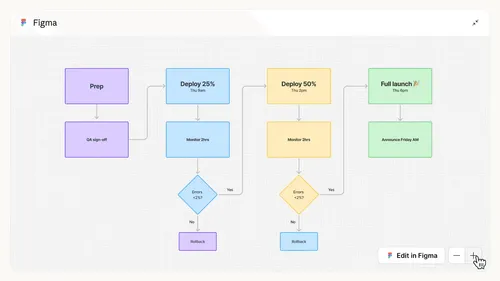
2026年1月27日、Anthropicは同社のAIアシスタント「Claude」に対し、Asana、Figma、Slack、Canvaといった主要なビジネスアプリケーションを統合し、チャットインターフェース内で直接操作可 […]

2026年の幕開けと共に、ソーシャルメディアプラットフォーム「X(旧Twitter)」は、かつてない規模の倫理的・法的危機に直面している。同社のAIツール「Grok」に実装された画像編集機能が悪用され、一般人や著名人、さ […]

OpenAIが投資家向けに開示した財務データから、同社の従業員に対する株式報酬(Stock-Based Compensation)が、過去のいかなる主要テックスタートアップと比較しても異次元の水準に達していることが明らか […]
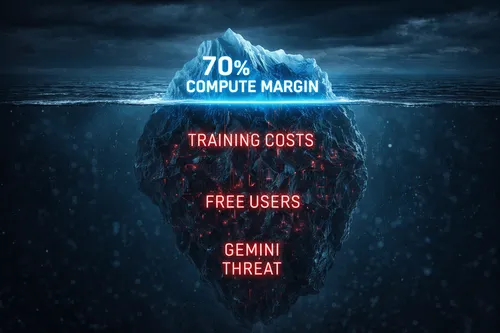
2025年12月現在、テクノロジー業界を駆け巡っている一つの数字がある。「70%」──これは、OpenAIが有料ユーザー向けのサービスにおいて達成したとされる「コンピューティング・マージン(Compute Margin) […]
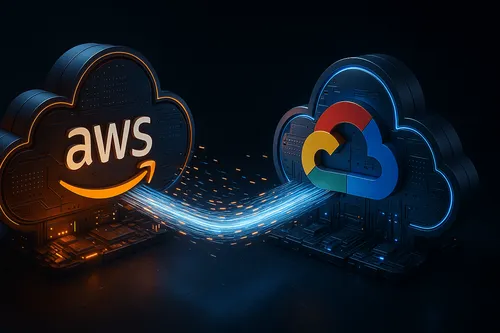
2025年12月1日、クラウドコンピューティング業界に大きな動きがあった。長年、熾烈なシェア争いを繰り広げてきた二大巨頭、Amazon Web Services(AWS)とGoogle Cloudが、相互のクラウド環境を […]

2025年10月、米国の労働市場が衝撃に揺れている。発表された月間解雇者数は15万3,074人に達し、単月としては2003年10月以来、実に20年ぶりの高水準を記録した。これは前月比で183%、前年同月比でも175%増と […]

AI開発企業Anthropicが内部で示したとされる野心的な財務予測が、業界に衝撃を与えている。報道によると、同社は2028年までに年間収益700億ドル(約10.5兆円)、さらに170億ドル(約2.5兆円)ものポジティブ […]
生成AIブームの熱狂の裏で、業界の根幹を揺るがしかねない構造的な問題が露呈し始めている。AIセーフティ研究の最前線を走るAnthropic社の共同創業者兼CEO、Dario Amodei氏が、Salesforce主催のイ […]

AI業界は、静かな、しかし決定的な地殻変動の只中にある。2025年6月23日、Google Cloudは自社開発のAIエージェント間通信プロトコル「Agent2Agent (A2A)」を、中立的な非営利団体であるLinu […]
Googleは、異なるベンダーやフレームワークで構築されたAIエージェント同士が安全かつ効果的に連携するための新しいオープンプロトコル「Agent2Agent(A2A)」を発表した。この取り組みは、企業内に点在するAIエ […]
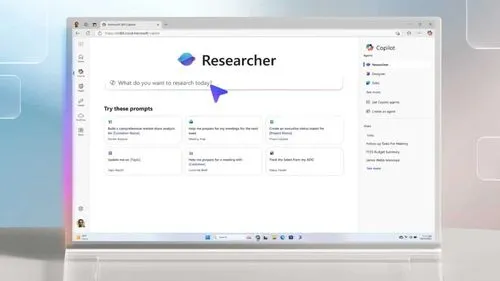
Microsoftは、企業の複雑な課題解決を支援するため、高度な推論能力を備えた新たなAIエージェント「Researcher」と「Analyst」をMicrosoft 365 Copilot向けに発表した。これにより、同 […]
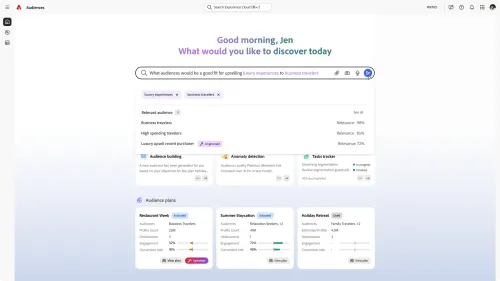
Adobeは3月18日、年次カンファレンス「Adobe Summit」において、マーケティング担当者と顧客体験を強化する「Adobe Experience Platform Agent Orchestrator」と10種 […]

MicrosoftのCEOであるSatya Nadella氏は、AIプラットフォームの大規模な転換期に対応するため、新たな組織「CoreAI – Platform and Tools」の設立を発表した。この再編は、AIエ […]
Amazonは、企業や開発者向けの新しい生成AIアシスタント「Amazon Q」の一般提供開始を発表した。Amazon Qはソフトウェア開発者向けのコーディング、テスト、メンテナンスを支援する「Amazon Q Deve […]
The widespread applications of generative AI (GenAI) have sparked significant interest, with many organisations eager to leverage its transformative potential. Rather than focusing on individual organisations, this study examines GenAI integration within enterprise platforms, which are extensively adopted by many organisations and thus amplify both the benefits and risks of GenAI. We offer targeted recommendations for enterprise platform owners and their complementors, addressing challenges they face when integrating GenAI into these platforms. Drawing on a case study of Salesforce's experience, we recommend actions in three foundational areas – platform capability, architecture and governance – ensuring that our guidance is broadly applicable across enterprise platforms. In platform capability, we advise developing a unified GenAI stack built on existing platform services, offering generic and industry‐specific GenAI use cases to accelerate customer adoption and providing tools for customisation and creation of new use cases to enhance GenAI's transformational impact. For platform architecture, we recommend adding new layers for accommodating diverse GenAI foundation models and creating a trusted environment for secure data access, privacy and content monitoring. We also recommend implementing a prompt architecture to improve content relevance and accuracy. In platform governance, we recommend establishing new mechanisms to mitigate GenAI risks. Partnerships with GenAI providers and proactive investments in GenAI are essential to retain critical GenAI technologies. Personalised consultancy and training along with joint design and implementation with platform customers are also recommended. These combined actions, pursued in parallel across capability, architecture and governance, form a sustainable roadmap for GenAI integration in enterprise platforms.
This study explores the strategic impacts of Salesforce automation tools on organisational competitive advantage and strategic dimensions, with a focus on mid-sized firms in emerging markets. Adopting a mixed-methods approach, the research combines quantitative data from surveys and qualitative insights from case studies to evaluate how Salesforce automation influences key business outcomes. The results show that Salesforce significantly enhances organisational agility, customer-centric innovation, and strategic alignment, contributing to improvements in competitive advantage. Quantitative analysis reveals a strong positive relationship between Salesforce adoption and organisational performance, with R-square values of 0.986 and 0.989 for competitive advantage and strategic dimensions, respectively. Qualitative findings highlight the themes of improved sales efficiency, increased customer retention, and more effective decision-making, aligning with previous literature on the benefits of CRM systems. Despite the overall positive impact, the study also identifies a negative relationship between one specific Salesforce automation tool and strategic dimensions, indicating varying effects depending on tool implementation. The study’s findings underscore the importance of aligning Salesforce adoption with strategic goals to maximise its potential. Practical implications for organisations include fostering cross-functional collaboration and focusing on customer-driven innovation. The study also suggests directions for future research, particularly in examining the long-term impacts of CRM tool adoption in larger organisations and diverse industries
In the digital world, there is little room for error when securing data exchange, and industries that work with sensitive data, such as healthcare and retail, depend on it. This paper discusses the integration of Salesforce Marketing Cloud (SFMC) with the healthcare and retail platforms by assessing the methods of data exchange for securing the data operating efficiency and ensuring adherence to stringent privacy regulations such as HIPAA and GDPR. While the technologies that touch upon privacy, such as AI-driven intrusion detection, quantum right-resistant encryption, and zero trust architecture, are new on the block, they are fast emerging as effective ways of keeping sensitive data in trust while still being exchanged. Since machine learning is used in AI intrusion detection systems, they can detect security threats proactively and mitigate them in real time, increasing breach response time. Being quantum resistant corresponds to the face of the advent of quantum computing, which puts traditional encryption methods at risk. Building on the principles of zero trust frameworks, security multiplies with continual verification of users and devices to lessen the risk of unmetered access. For instance, in the healthcare sector, these technologies guard Electronic Health Records (EHR) and remain firm within the regimes of regulatory frameworks. In retail, they keep bank accounts, payment histories, and customers' personal data in the loyalty programs. As technologies evolve, healthcare and retail companies should adapt to such forward-facing security strategies and adopt zero-trust models, AI, and quantum encryption to stay ahead of the foreseeable threats. This article provides insight into these technologies as practical solutions that will allow us to secure the data exchange processes, ensure compliance, and retain consumer trust in the increasingly complex digital environment.
We introduce SCUBA, a benchmark designed to evaluate computer-use agents on customer relationship management (CRM) workflows within the Salesforce platform. SCUBA contains 300 task instances derived from real user interviews, spanning three primary personas, platform administrators, sales representatives, and service agents. The tasks test a range of enterprise-critical abilities, including Enterprise Software UI navigation, data manipulation, workflow automation, information retrieval, and troubleshooting. To ensure realism, SCUBA operates in Salesforce sandbox environments with support for parallel execution and fine-grained evaluation metrics to capture milestone progress. We benchmark a diverse set of agents under both zero-shot and demonstration-augmented settings. We observed huge performance gaps in different agent design paradigms and gaps between the open-source model and the closed-source model. In the zero-shot setting, open-source model powered computer-use agents that have strong performance on related benchmarks like OSWorld only have less than 5\% success rate on SCUBA, while methods built on closed-source models can still have up to 39% task success rate. In the demonstration-augmented settings, task success rates can be improved to 50\% while simultaneously reducing time and costs by 13% and 16%, respectively. These findings highlight both the challenges of enterprise tasks automation and the promise of agentic solutions. By offering a realistic benchmark with interpretable evaluation, SCUBA aims to accelerate progress in building reliable computer-use agents for complex business software ecosystems.
Functionalities of Salesforce's customer relationship management platform with the scalability and flexibility of cloud data warehousing. This allows organizations to connect to their Salesforce data and unify it with other relevant data sources, such as marketing data, financial data, customer service data, etc., from a cloud-based data warehouse. This allows them to conduct thorough analyses and gain a comprehensive perspective on their operations. In addition, the integration automates the process of syncing data from Salesforce to the data warehouse, reducing manual data extraction and loading. Besides that, it also saves time and resources and guarantees data accuracy and consistency. Unified analytics enables organizations to produce insights-driven reports and real-time dashboards on everything from customers and sales performance to marketing campaigns and other key business metrics. This allows decision-makers to base their decisions on data and contribute to the growth of the business.