

テクノロジー
中国CXMTのDDR5歩留まりが90%超に PC採用は中国・新興市場の一部に限定か
CXMTの17nm級DDR5で歩留まり90%超との報道が出た。公式資料が示す量産・稼働率と照合し、PC採用が地域・数量限定にとどまる理由、実供給力を測る条件を整理する。

別名: Acer
Acerは、1976年に設立された台湾に本社を置く多国籍ハードウェア・エレクトロニクス企業である。パーソナルコンピュータをはじめ、ディスプレイ、プロジェクターなど幅広い情報技術製品の開発・製造・販売を手がけ、世界的なPC市場において主要メーカーの一角を占める。個人向けから法人・教育機関向けまで多様な用途に対応する製品群を展開している。
Acerは台湾を拠点とし、ノートPCやデスクトップPCを中核事業としながら、モニター、プロジェクター、周辺機器など幅広い製品ラインナップを持つ総合エレクトロニクスメーカーである。グローバルに販売網を構築し、地域や用途に応じた多様なモデルを提供している点が特徴で、PC業界における主要な国際ブランドの一つとして認識されている。
Acerは1976年に設立され、以降、台湾発のテクノロジー企業として国際展開を進めてきた。PC事業を中核としつつ、時代の変化や市場ニーズの多様化に応じてディスプレイやプロジェクターといった周辺機器分野へも事業領域を広げ、総合的な情報技術製品メーカーとしての地位を確立してきた。
PC業界では、Intel、AMD、Qualcommといった半導体メーカーが提供するプロセッサやSoCの世代交代が製品競争力を大きく左右する。PCメーカーはこれら半導体ベンダーの新技術をいち早く自社製品に取り込むことが求められ、Acerもこうしたチップベンダーの技術革新を製品化に反映させる立場にある。特に近年はAI処理性能を備えたプロセッサの普及が進み、PCメーカー各社の製品戦略に直接影響を及ぼす構造となっている。
2026年に入り、PC向け半導体各社の動きが相次いで報じられている。2026年5月にはIntelが低価格帯ノートPC向けプロセッサ「Core Series 3」を発表し、最先端のIntel 18Aプロセスを廉価モデルにも投入したことで、低価格PCの性能基準が見直される可能性が指摘された。同時期にはQualcommも「Snapdragon X2 Plus」を発表し、AI PCの普及を後押しする戦略を打ち出している。さらに2026年6月にはQualcommが300ドル以上の低価格Windowsノート向けに「Snapdragon C」を発表するなど、AI処理能力を備えた低価格帯PC市場の競争が一段と激化した。これらの半導体ベンダーによる新プロセッサの投入は、Acerを含むPCメーカー各社が採用するチップの選択肢や製品戦略に直接影響を与えるものであり、Acerもこうした業界全体の技術潮流の中で製品ラインナップの更新を継続していくことが見込まれる。同時期にはGoogleがChromeOSとAndroidを融合した新OS搭載端末「Googlebook」やAndroid向け「Gemini Intelligence」を発表しており、AIを前提としたデバイス体験の再定義がPC・モバイル業界全体で進行している状況も、Acerの事業環境を取り巻く重要な背景となっている。
CXMTの17nm級DDR5で歩留まり90%超との報道が出た。公式資料が示す量産・稼働率と照合し、PC採用が地域・数量限定にとどまる理由、実供給力を測る条件を整理する。

Windows OEMライセンス料が2026年7月から平均7〜10%上がったと報じられた。メモリー高にOS費用も重なり、台湾では第3四半期に約5%のPC値上げが見込まれる。

Intelが携帯型ゲーミングPC専用の新SoC「Arc G3」シリーズを発表。最新「18A」プロセスと圧倒的な描画力でAMDの牙城に迫る一方、1,200ドル規模と予想される価格高騰の課題に迫る。
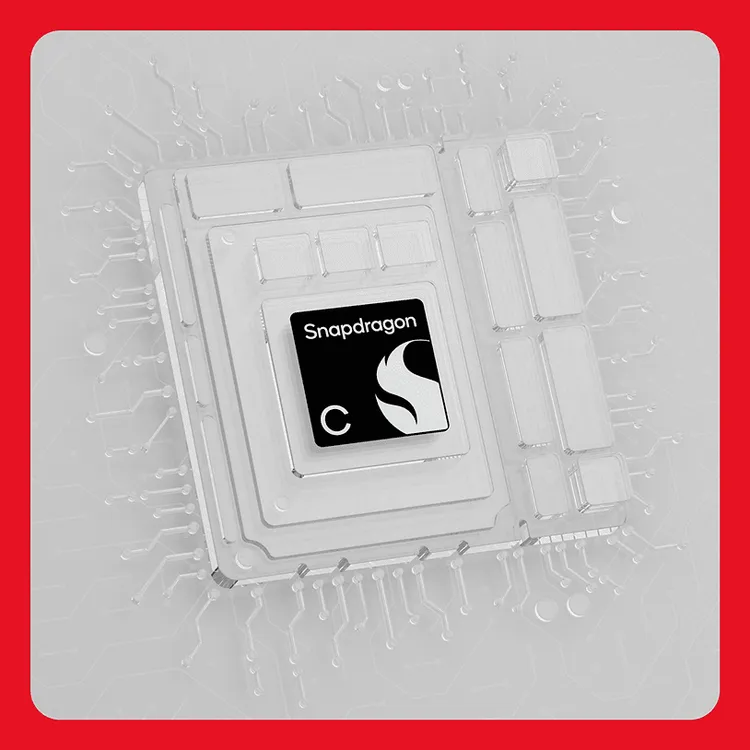
Qualcommが300ドル以上の低価格Windowsノート向けにSnapdragon Cを発表した。NPU内蔵と終日駆動をうたうが、Copilot+ PC非対応で、価格や性能の核心はまだ未公開だ。

Googleは、ChromeOSとAndroidを融合しGeminiをOS全層に組み込んだ新OS搭載の「Googlebook」を2026年秋に出荷すると発表した。これはAIを前提とした操作体系を試す新たなカテゴリであり、カーソルが指す対象をAIが読み取り次の操作を提案する「Magic Pointer」などの機能により、通常のPC操作の高速化が期待されている。従来のChromebookは継続され、Googlebookはプレミアム志向のAI前提PCとして位置づけられる。

GoogleはAndroidを「インテリジェンスシステム」へ転換する「Gemini Intelligence」を発表した。これは、アプリをまたいだタスク自動化やAI生成ウィジェット、Gboardに統合される自然な音声入力機能「Rambler」など、Geminiモデルを活用した多岐にわたる新機能群で構成される。今夏より最新Pixel・Samsung Galaxy端末から順次展開され、デバイスがユーザーのニーズを先取りするエージェントとして機能することを目指す。

Intelは、低価格帯ノートPC向けプロセッサ「Core Series 3」を発表した。これは、これまで旧世代技術の使い回しだった廉価版プロセッサの常識を覆し、上位モデルと同じ最先端のIntel 18A製造プロセスを直接投入した革新的な製品である。この新設計により、電力効率とAI処理能力が大幅に向上し、競合他社との競争力強化を図るとともに、低価格PCの性能基準を根本から書き換えることを目指している。
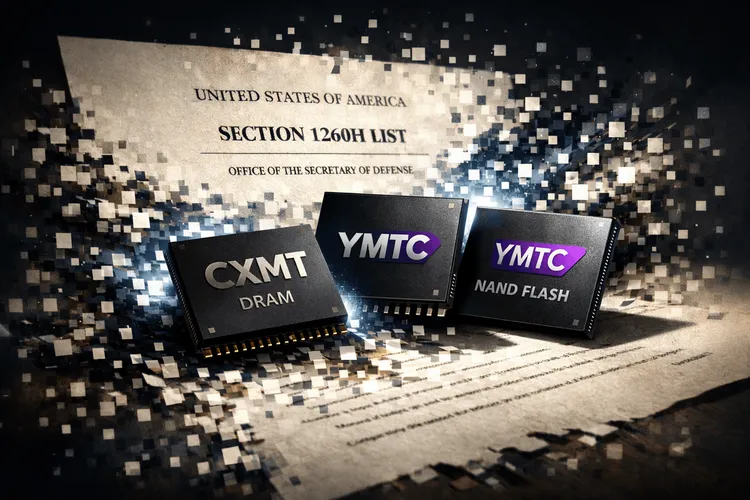
2026年2月13日金曜日(現地時間)、ワシントンの連邦官報に掲載された一通の文書が、世界の半導体サプライチェーンに衝撃を走らせた。米国防総省(DOD)が定める「中国軍事関連企業(1260Hリスト)」の最新版において、中 […]

2026年1月、ラスベガスで開催されたCES 2026において、Phison Electronicsは、「aiDAPTIV+」テクノロジーの拡張版を発表した。同社はこれにより、高価なGPUメモリ(VRAM)の限界という、 […]

CES 2026の熱気が渦巻く中、QualcommはWindows PC市場における覇権争いを決定づける一手、「Snapdragon X2 Plus」を正式に発表した。 2024年に始まった「Copilot+ PC」の波 […]

2026年1月5日、世界のPC市場、とりわけアジアのテクノロジーハブである台湾市場に激震が走った。業界大手ASUSがこの日を境に実施した大規模な価格改定が競合他社を巻き込んだ「価格高騰ドミノ」の始まりを告げる号砲となった […]
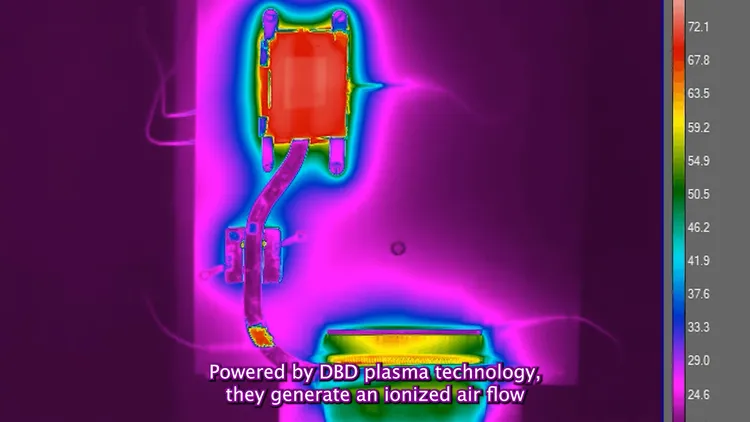
世界最大のテクノロジー見本市「CES 2026」の開幕を目前に控え、PCハードウェア業界、とりわけ熱設計(サーマルマネジメント)の分野で興味深い技術が発表されるようだ。 スペインと米国ニュージャージー州に拠点を置くディー […]

世界的なPCメーカーであるDellが、商用向けPC製品の大規模な値上げに踏み切ることが明らかになった。だがこれは単なる一時的な価格調整ではない。AcerやASUSといった主要メーカーも2026年第1四半期からの価格転嫁を […]

AMDは米ラスベガスで開催中のCES 2025において、次世代グラフィックスアーキテクチャ「RDNA 4」と、これを採用する新型GPU「Radeon RX 9070」シリーズを発表した。4nmプロセスノードの採用やAI処 […]

次世代GPUとなるNVIDIA GeForce RTX 5090および5080を搭載したAcer Predator Orion 7000シリーズの価格情報が、ドイツの小売店サイトに誤って掲載され、大きな話題となっている。 […]

デラウェア州連邦地裁の陪審は、QualcommによるNuvia買収がArmとのライセンス契約に違反していないとの判断を下した。9時間にわたる審議の結果、QualcommのPC向けプロセッサの販売継続が認められることとなっ […]

2024年第3四半期のPC市場において、次世代コンピューティングの象徴とされるAI PCの採用は限定的な状況が続いていることが明らかになった。Qualcommの旗艦プラットフォームSnapdragon X搭載機の出荷台数 […]
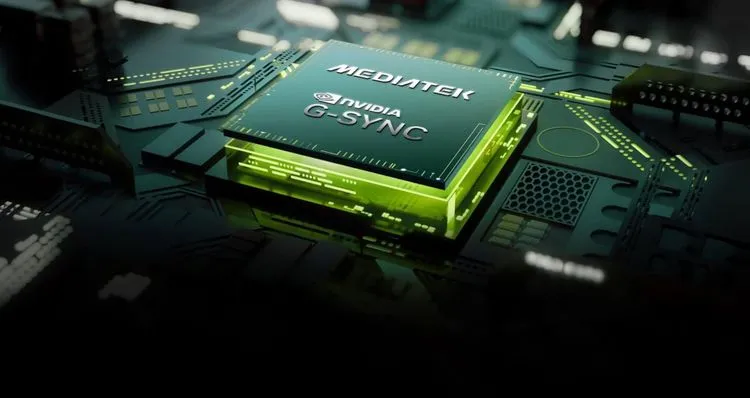
NVIDIAが画期的な技術革新を発表した。同社の人気ゲーミングディスプレイ技術である「G-SYNC」が、MediaTekとの新たな提携により、これまで以上に容易に搭載出来る様になる。この動きは、ゲーマーにとってより手頃な […]

マーケット調査会社のIDCによると、PC市場は2024年第1四半期の回復に続き、第2四半期もプラス成長隣、7四半期連続の減少から脱却し、2四半期連続でのプラス成長となったことが明らかになった。IDCの速報によると、世界の […]

AMDはこれまでコードネーム「Strix Point」と呼ばれていた新たなノートPC向けAPU「Ryzen AI 300」シリーズを発表した。 これまでのRyzen 8040シリーズから大きく命名規則が変更となり、“AI […]
Nitrogen and phosphorous are critical determinants of plant growth and productivity, and both plant growth and root morphology are important parameters for evaluating the effects of supplied nutrients. Previous work has shown that the growth of Acer mono seedlings is retarded under nursery conditions; we applied different levels of N (0, 5, 10, and 15 g plant-1) and P (0, 4, 6 and 8 g plant-1) fertilizer to investigate the effects of fertilization on the growth and root morphology of four-year-old seedlings in the field. Our results indicated that both N and P application significantly affected plant height, root collar diameter, chlorophyll content, and root morphology. Among the nutrient levels, 10 g N and 8 g P were found to yield maximum growth, and the maximum values of plant height, root collar diameter, chlorophyll content, and root morphology were obtained when 10 g N and 8 g P were used together. Therefore, the present study demonstrates that optimum levels of N and P can be used to improve seedling health and growth during the nursery period.
Abstract The effect of drought stress on continuous excitation chlorophyll fluorescence parameters and the OJIP transient is examined in cultivars of Acer campestre, A. platanoides and A. pseudoplatanus. Comparisons between whole tree level drought and desiccation of detached leaves under laboratory conditions is evaluated using both fluorescence parameters and differential kinetics. Data presented in this study suggests similarities exist between drought and desiccation. Chlorophyll fluorescence parameters which are both suitable and unsuitable at identifying drought stress are discussed and evaluated. New or uncommon fluorescence parameters and methods of analysis which may prove beneficial as drought detection tools are assessed. The over utilisation of the parameter Fv/Fm is also discussed. Results suggest utilisation of the parameters PIABS, Fo/Fm and V0(Bo) is recommended in preference to Fv/Fm, in studies aiming to identify drought stress in trees.
Acer truncatum (purpleblow maple) is a woody tree species that produces seeds with high levels of valuable fatty acids (especially nervonic acid). The species is admired as a landscape plant with high developmental prospects and scientific research value. The A. truncatum chloroplast genome has recently been reported; however, the mitochondrial genome (mitogenome) is still unexplored. We characterized the A. truncatum mitogenome, which was assembled using reads from PacBio and Illumina sequencing platforms, performed a comparative analysis against different species of Acer. The circular mitogenome of A. truncatum has a length of 791,052 bp, with a base composition of 27.11% A, 27.21% T, 22.79% G, and 22.89% C. The A. truncatum mitogenome contains 62 genes, including 35 protein-coding genes, 23 tRNA genes and 4 rRNA genes. We also examined codon usage, sequence repeats, RNA editing and selective pressure in the A. truncatum mitogenome. To determine the evolutionary and taxonomic status of A. truncatum, we conducted a phylogenetic analysis based on the mitogenomes of A. truncatum and 25 other taxa. In addition, the gene migration from chloroplast and nuclear genomes to the mitogenome were analyzed. Finally, we developed a novel NAD1 intron indel marker for distinguishing several Acer species. In this study, we assembled and annotated the mitogenome of A. truncatum, a woody oil-tree species producing nervonic acid. The results of our analyses provide comprehensive information on the A. truncatum mitogenome, which would facilitate evolutionary research and molecular barcoding in Acer.
In this study, the antibacterial and antifungal properties of silver nanoparticles synthesized with the aqueous plant extract of Acer oblongifolium leaves were defined using a simplistic, environmentally friendly, reliable, and cost-effective method. The aqueous plant extract of Acer oblongifolium, which served as a capping and reducing agent, was used to biosynthesize silver nanoparticles. UV visible spectroscopy, X-ray diffraction (XRD), Fourier Transform Infrared Spectroscopy (FTIR), and scanning electron microscopy were used to analyze the biosynthesized Acer oblongifolium silver nanoparticles (AgNPs). Gram-positive bacteria (Bacillus paramycoides and Bacillus cereus) and Gram-negative bacteria (E. coli) were used to test the AgNPs’ antibacterial activity. The presence of different functional groups was determined by FTIR. The AgNPs were rod-like in shape. The nanoparticles were more toxic against Escherichia coli than both Bacillus cereus and Bacillus paramycoides. The AgNPs had IC50 values of 6.22 and 9.43 and mg/mL on HeLa and MCF-7, respectively, proving their comparatively strong potency against MCF-7. This confirmed that silver nanoparticles had strong antibacterial activity and antiproliferative ability against MCF-7 and HeLa cell lines. The mathematical modeling revealed that the pure nanoparticle had a high heat-absorbing capacity compared to the mixed nanoparticle. This research demonstrated that the biosynthesized Acer oblongifolium AgNPs could be used as an antioxidant, antibacterial, and anticancer agent in the future.
SUMMARY Acer truncatum (purpleblow maple) is a woody tree species that produces seeds with high levels of valuable fatty acids (especially nervonic acid). However, the lack of a complete genome sequence has limited both basic and applied research on A. truncatum. We describe a high‐quality draft genome assembly comprising 633.28 Mb (contig N50 = 773.17 kb; scaffold N50 = 46.36 Mb) with at least 28 438 predicted genes. The genome underwent an ancient triplication, similar to the core eudicots, but there have been no recent whole‐genome duplication events. Acer yangbiense and A. truncatum are estimated to have diverged about 9.4 million years ago. A combined genomic, transcriptomic, metabonomic, and cell ultrastructural analysis provided new insights into the biosynthesis of very long‐chain monounsaturated fatty acids. In addition, three KCS genes were found that may contribute to regulating nervonic acid biosynthesis. The KCS paralogous gene family expanded to 28 members, with 10 genes clustered together and distributed in the 0.27‐Mb region of pseudochromosome 4. Our chromosome‐scale genomic characterization may facilitate the discovery of agronomically important genes and stimulate functional genetic research on A. truncatum. Furthermore, the data presented also offer important foundations from which to study the molecular mechanisms influencing the production of nervonic acids.