

テクノロジー
RTX 4060の半分以下の性能で、RTX 5060 Tiと同じ価格:中国初ゲーミングGPUの誤算
中国製の新型GPU「Lisuan LX 7G100」は、DirectX 12とVulkan 1.3に対応し、MicrosoftのWHQL認証を中国企業として初めて取得した。しかし、実測ゲーム性能はRTX 4060の半分以下であり、価格も競合製品と比較して高価であるため、ゲーマーにとって購入すべき製品ではない。

Vulkanは、Khronos Groupが策定したクロスプラットフォームなグラフィックスおよび計算処理用の低レベルAPIである。2014年7月に発表され、GPUへのハードウェアレベルの直接的な制御を可能にすることで、従来のOpenGLに比べてCPUオーバーヘッドを削減し、マルチスレッド処理を効率的に活用できる設計となっている。PC、モバイル、組み込み機器まで幅広いプラットフォームで動作し、ゲームエンジンから汎用計算まで多様な用途で採用が進んでいる。
Vulkanは単一のAPIでWindows、Linux、Android、各種組み込みシステムに対応し、ドライバオーバーヘッドを最小化する明示的な設計思想を持つ。開発者はコマンドバッファの構築やメモリ管理、同期処理を細かく制御できるため、最適化次第で高いスケーラビリティを引き出せる一方、実装の複雑さも増す。グラフィックス処理に加え計算シェーダーもサポートし、GPGPU的な用途にも利用される。
Vulkanは2014年7月にKhronos Groupによって発表された。もともとAMDが提唱したMantle APIを基盤とし、OpenGLが抱えていたドライバオーバーヘッドの問題やマルチコアCPU活用の限界を解決する目的で策定された。以降、主要GPUベンダーやゲームエンジン開発元の支持を得て、着実に採用範囲を広げている。
Vulkanは、Microsoftが手がけるDirect3D 12やAppleのMetalと同様に、いわゆる「低レベルAPI」世代に属する。従来のOpenGLやDirectX 11までの高レベルAPIとは異なり、ドライバに委ねていた処理の多くを開発者側が明示的に記述する必要があるが、その分ハードウェア性能を引き出しやすい。クロスプラットフォーム性を重視する点でDirect3D 12やMetalとは一線を画し、Linuxやモバイル環境を含む広範なエコシステムを対象としている。
2026年に入り、Vulkanを取り巻く動きは活発化している。2026年6月8日には、Mojang StudiosがMinecraft Java Editionのレンダリングエンジンを、長年利用してきたOpenGLからVulkanへ完全移行したことが伝えられた。これは17年以上にわたり使われてきた描画基盤の転換点として注目された。同月3日には、Direct3D 7世代のPCゲームをLinux上で動作させるオープンソースプロジェクト「D7VK」がVulkanを基盤として始動し、レガシータイトルの互換性維持に新たな道を開いている。
また2026年5月19日には、個人開発者によるVulkanレイヤー「low_latency_layer」が話題となった。これはNVIDIA ReflexやAMD Anti-Lag 2といったベンダー固有の低遅延技術の命令をハードウェア非依存のコードへ変換し、Linux環境においてRadeonやIntel Arcを含む全てのGPUでNVIDIA Reflex相当の遅延削減効果を得られるようにする仕組みで、ベンダーロックインの壁をVulkanレイヤーの仕組みで越える試みとして注目を集めた。
ゲームエンジン側でもVulkan対応は進んでおり、2026年5月6日にリリースされたGodot 4.7ではHDR出力対応が実装されたが、これはC++17の言語標準を変えずにレンダリングパイプライン側の改良で実現された点が技術的に注目された。さらにゲーミングLinuxディストリビューションBazziteも2026年4月10日に大型アップデートを公開し、Vulkanベースの描画基盤を含むエコシステム全体の強化が続いている。モバイル分野でも、GoogleがPixel 10のTensor G5向けGPUドライバ更新を表明するなど、Vulkanを支えるハードウェア・ソフトウェア双方の環境整備が継続している。
中国製の新型GPU「Lisuan LX 7G100」は、DirectX 12とVulkan 1.3に対応し、MicrosoftのWHQL認証を中国企業として初めて取得した。しかし、実測ゲーム性能はRTX 4060の半分以下であり、価格も競合製品と比較して高価であるため、ゲーマーにとって購入すべき製品ではない。

入力遅延を軽減するNVIDIA ReflexとAMD Anti-Lag 2は、ベンダーロックインにより他社製GPUでは利用できなかった。Linux環境では、MesaドライバーのAMD Anti-Lag 2実装の不完全さや、NVIDIA Reflexのみ対応するゲームが多いことで、AMDやIntel Arcユーザーは遅延削減の恩恵を受けられなかった。 しかし、個人開発者によるVulkanレイヤー「low_latency_layer」が登場した。これはNVIDIA ReflexやAMD Anti-Lag 2の命令をハードウェア非依存のコードに変換し、GPUを偽装することで、RadeonやIntel Arcを含む全てのGPUでNVIDIA Reflexを動作させる画期的なソリューションである。

https://godotengine.org/article/hdr-output-arrives-in-godot-4-7/

SteamOS非対応の携帯ゲーミングPCやデスクトップ向けに「実質的なSteamOS代替」として支持を集めるBazziteが、2026年4月10日にTestingブランチ向けの大型アップデートを公開した。カーネル更新やM […]

2026年2月18日、スウェーデンのMojang Studiosは、世界で最もプレイされているサンドボックスゲーム『Minecraft: Java Edition』のグラフィック・レンダリングエンジンを、長年親しまれてき […]

2000年代初頭のPCゲームシーンを彩った数々の名作。その多くが採用したグラフィックスAPI「Direct3D 7」。現代のOSでは動作が困難なこれらのタイトルを、最新のLinux環境で蘇らせる画期的なオープンソースプロ […]

GoogleがPixel 10シリーズに搭載されるSoC「Tensor G5」のGPUドライバアップデートを計画していることを公式に認めた。この発表は、パフォーマンスに関するユーザーコミュニティからの報告を受けてのもので […]

クアルコムは、ミドルレンジスマートフォン向けSoCの最新世代として「Snapdragon 7s Gen 4」を正式発表した。前世代のSnapdragon 7s Gen 3からわずか7%の性能向上に留まりながらも、ディスプ […]

Steam DeckというポータブルゲーミングPCの世界を、これまで以上に魅力的にする技術が登場した。これまでWindows PCの独壇場であった「Lossless Scaling」のフレーム生成技術が、コミュニティの熱 […]

Googleが密かに、しかし着実にPixelシリーズのスマートフォンのグラフィック処理能力を引き上げていることが明らかになった。ユーザーからの報告によると、最新のAndroidアップデート後、一部モデルでは最大62%もの […]
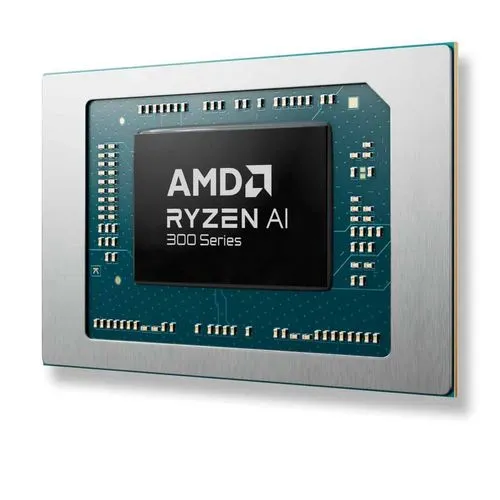
AMDの次世代ハイエンドAPU「Strix Halo」シリーズの最上位モデルと思われるRyzen AI MAX+ Pro 395のベンチマーク結果が、ベンチマークテストソフトウェアGeekbenchのデータベースに登場し […]

AMDは、フレーム生成技術の次世代バージョンとなる「Fluid Motion Frames 2」(AFMF 2)を発表した。この新技術は、AIによる最適化や性能向上、低遅延フレーム生成などの特徴を持ち、RDNA 2および […]

Microsoftは本日、DirectSRのプレビュー版を正式に発表した。この新しいAPIは、NVIDIA、AMD、Intelのそれぞれ、DLSS、FSR、およびXeSSと言った3つの超解像テクノロジーを単一のコードパス […]

Appleがレトロゲームエミュレータを解禁して以来、任天堂のゲーム機や、PlayStationのエミュレータは既に登場しているが、今回新たにPlayStation Portable(PSP)のエミュレータである「PPSS […]
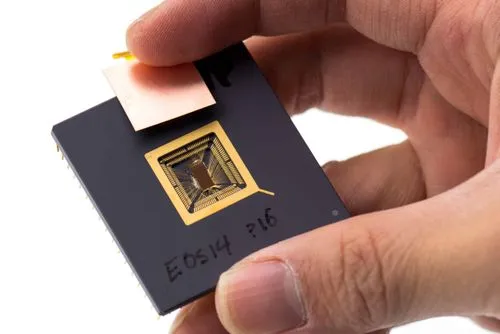
オープンソース命令セットアーキテクチャ(ISA)のRISC-Vは、市場で支配的な地位を固めるArmへの有力な対抗馬として、Googleなどの支援を受けて開発が進められている。 今回、このRISC-Vにおける新たな動きとし […]

AMDは、GDC 2024において、「AMD FidelityFX™ Super Resolution(FSR)」の最新版である、「FSR 3.1」を発表した。 アップスケーリング品質が向上したAMD FS […]
In this talk, we’ll share our experience working with Vulkan bind-less techniques and ray tracing on Android smartphones, overcoming hardware constraints, driver issues
This Lab invites participants to explore how today’s Vulkan ecosystem tools and resources allow everyone to write real-time ray-traced effects with far less boilerplate than in the past. Building on a trimmed version of the open-source Khronos Vulkan Tutorial [Khronos 2025a] and the vk-bootstrap [Giessen 2025] and Vulkan-RAII [Khronos 2025c] helper libraries, we will incrementally assemble a renderer that combines rasterization with ray tracing to implement accurate shadows. The session balances bite-sized coding intervals with short concept discussions, so that every participant leaves with a runnable project and a mental map of where to dig deeper afterward.
: The increasing demand for high-performance computing has led to the exploration of utilizing General-Purpose Graphics Processing Units (GPGPUs) for non-graphical tasks. In this paper, we present a comparative case study of OpenCL interoperability when paired with two widely used graphics APIs: OpenGL and Vulkan. By implementing an ocean wave simulation benchmark – where OpenCL handles compute-intensive tasks and the graphics API manages real-time visualization – we analyze the impact of API selection on both execution performance and development effort. Our results indicate that Vulkan’s low-level control and multi-threaded design deliver marginal performance improvements under minimal rendering loads; however, its increased code verbosity and complex synchronization mechanisms lead to a substantially higher development effort. In contrast, OpenGL, with its more straightforward integration and broad compatibility, provides a practical alternative for compute-first applications. The insights from this case study offer guidance for developers navigating the trade-offs between raw performance and maintainability in GPU-accelerated environments.
This course offers an exploration of some features of Vulkan 1.3 and 1.4, equipping developers with the tools and understanding needed to build modern Vulkan renderers. The course is divided into three focused parts that cover the essentials of modern Vulkan, synchronization techniques, and bindless rendering. Participants will gain exposure to real-world applications of modern Vulkan concepts and strategies to implement bindless on mobile architectures.
RISC-V vector extensions have been recently officially adopted, but compiler support is still under active development. Moreover, most vectorization efforts have been concentrated on HPC and machine learning workloads. In this paper, we analyze the benefits of vectorization on RISC-V GPUs and CPUs for Vulkan 3D graphics applications.