
テクノロジー
GMの決算とBYDの21%値上げに現れた、車載メモリ不足の次の段階
DRAM高騰がGMの複合コスト増とBYDの運転支援オプション価格に現れた。完成車メーカーと部品各社は長期供給契約を広げ、供給と価格の変動に備えている。

BYD(比亜迪股份有限公司)は中国に拠点を置く世界最大級の電気自動車(EV)およびバッテリーメーカーである。バッテリー製造から自動車生産までを一体的に手がける垂直統合型の事業モデルを特徴とし、乗用車、商用車、バス、蓄電システムなど幅広い製品群を展開している。独自開発のリチウム鉄リン酸(LFP)系バッテリー技術「Blade Battery」を軸に、EV市場における主要プレイヤーの一社として位置づけられている。
BYDは電池メーカーとしての出自を持ち、その技術基盤を自動車事業に応用してきた点が特徴である。自社製バッテリーを自社製EVに搭載する垂直統合体制により、コスト競争力と品質管理の両立を図っている。Blade Battery技術は安全性と高いパック効率を両立させる設計として知られ、後継となるBlade Battery 2.0では充電性能や熱安定性の向上が図られている。中国国内のみならず海外市場にもEV輸出を拡大しており、電池・完成車の両分野で世界規模の生産能力を持つ企業として認識されている。
EV用バッテリー分野では、BYDは中国最大手の電池メーカーであるCATLと並び、技術と量産規模の両面で業界をけん引する存在である。両社はLFP系バッテリーを中心に急速充電性能、低温性能、エネルギー密度の向上を競っており、この技術競争は業界全体の技術革新を加速させる構図となっている。BYDのBlade Battery 2.0は、こうした競争環境の中で比較対象として頻繁に引用される技術であり、CATLの新世代バッテリーとの性能比較が業界内の技術動向を測る指標の一つとなっている。
2026年5月6日には、CATLが「2026 Tech Day」において第3世代のShenxing LFPバッテリーを発表し、10%から98%までを6分27秒で充電できる急速充電性能と-30℃下での冬季性能を示した。この発表では、BYDのBlade Battery 2.0を上回る充電速度が強調され、両社の技術競争が新たな局面に入ったことが示された。この動きは、EV用バッテリー市場における主要プレイヤー間の性能競争が、充電速度や低温性能といった実用面の指標を中心に激化していることを表している。
同時期には、全固体電池やナトリウムイオン電池、半固体電池といった次世代技術の研究開発も中国を中心に進展している。2026年6月にはCATLとHyperStrongが60GWh規模のナトリウムイオン電池供給契約を締結し、送電網規模の蓄電システム市場での実用化が加速する動きが見られた。また2026年5月には中国一汽集団傘下のCANEBが1,000km航続可能な半固体電池搭載EVを発表するなど、リチウムイオン電池に代わる、あるいはそれを補完する次世代技術の開発競争も進んでいる。こうした動向は、BYD自身の技術発表ではないものの、BYDが事業を展開する中国のEV・バッテリー産業全体の技術革新の速度を示すものであり、BYDが今後の技術ロードマップを検討する上での競争環境を形成している。
このように、BYDは自社のBlade Battery技術を軸にEV・バッテリー市場での地位を維持しつつ、CATLをはじめとする競合他社との性能競争、さらには全固体電池やナトリウムイオン電池といった次世代技術の台頭という二重の競争圧力の中に置かれている状況がうかがえる。
DRAM高騰がGMの複合コスト増とBYDの運転支援オプション価格に現れた。完成車メーカーと部品各社は長期供給契約を広げ、供給と価格の変動に備えている。
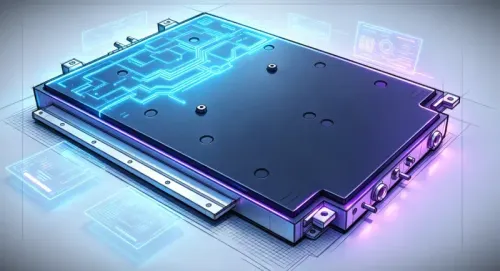
中国の研究チームが、有機ポリマーと無機材料を化学的に結合させた全固体電池用の新型複合電解質を開発した。この技術は界面の接触不良を解消し、高いイオン伝導率と機械的安定性を両立することで、350サイクル以上の長寿命な充放電動作を実現した。
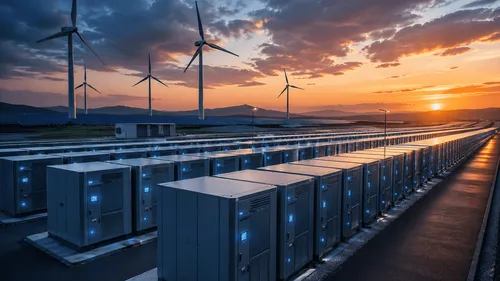
CATLとHyperStrongは、リチウム依存を克服する次世代技術として注目されるナトリウムイオン電池の60GWh供給契約を締結した。これは、CATLが量産課題を克服し、リチウムイオン電池と同等以上の性能とプラットフォーム互換性を持つナトリウムイオン電池を商業規模で提供可能になったことを示す。この契約は、再生可能エネルギーの安定供給に不可欠な送電網規模のエネルギー貯蔵システム市場における、ナトリウムイオン電池の実用化と普及を加速させる転換点となる。

全固体電池の実用化を阻む、柔らかいリチウムが硬いセラミック電解質を突き破る現象の謎が解明された。極低温電子顕微鏡による観察と力学モデリングから、デンドライト内部に発生する巨大な静水圧応力が水圧カッターのようにセラミックを物理的に破壊するメカニズムが明らかになった。
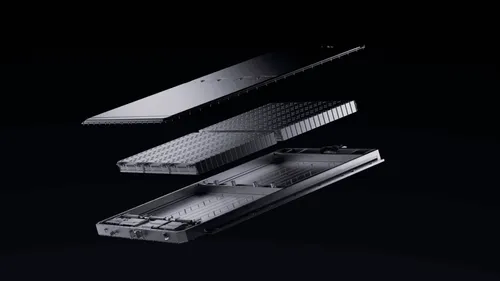
CATLは「2026 Tech Day」で、10%から98%まで6分27秒で充電可能な第3世代Shenxing LFPバッテリーを発表し、BYDのBlade Battery 2.0を上回る急速充電性能と-30°Cでの優れた冬季性能を実現した。また、NCM系のQilinバッテリーやPHEV・EREV向けバッテリーなど、幅広い製品群で包括的な技術革新を示し、EV市場の覇権争いを加速させている。
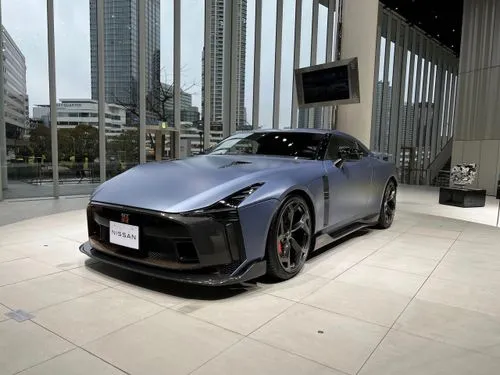
電気自動車(EV)の設計において、バッテリーパックは長らく「乗り越えるべき物理的制約」として扱われてきた。車両重量の大部分を占め、数百キログラムから時には1トンを超えるその巨大な質量は、運動性能やパッケージングにおける最 […]
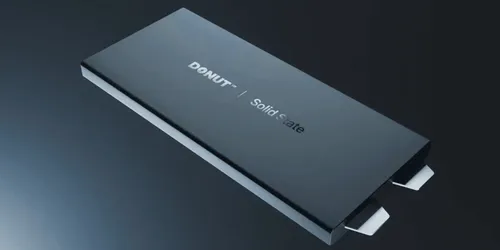
フィンランドの新興企業Donut Labが、自社開発の固体電池に関する初の独立試験結果を公表した。フィンランド国営の技術研究機関VTT(VTT Technical Research Centre of Finland)が […]
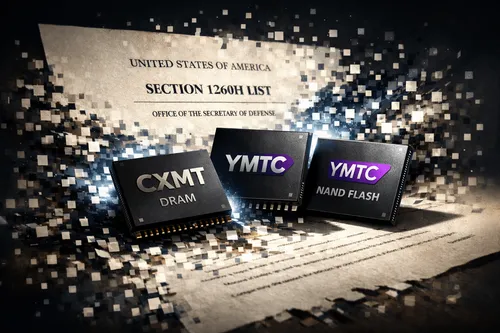
2026年2月13日金曜日(現地時間)、ワシントンの連邦官報に掲載された一通の文書が、世界の半導体サプライチェーンに衝撃を走らせた。米国防総省(DOD)が定める「中国軍事関連企業(1260Hリスト)」の最新版において、中 […]
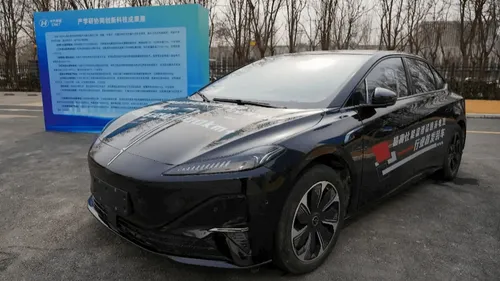
電気自動車(EV)の進化を阻んできた「エネルギー密度の壁」が、今まさに崩れようとしている。中国の自動車大手、中国一汽集団(FAW Group)傘下の中汽新能電池科技有限公司(以下、CANEB)が、半固体電池の実車搭載に成 […]
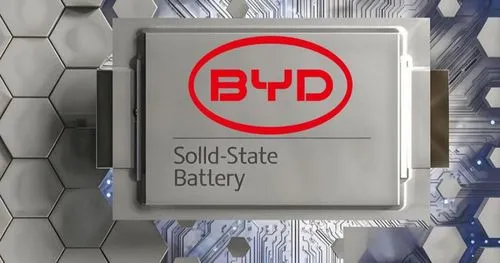
電気自動車(EV)市場が成熟期に向かう中、世界最大のEVメーカーの一角であるBYDが、次世代バッテリー戦略の全貌を明らかにした。2026年2月9日、BYDの投資家向け広報部門が公表した情報によると、同社は「硫化物系全固体 […]

中国・深圳発の衝撃が、世界の産業界を駆け巡った。ロボットスタートアップ、UBTECH Robotics社が発表した新型ヒューマノイドロボット「Walker S2」。その姿は、SF映画で描かれた未来の労働風景を、生々しい現 […]
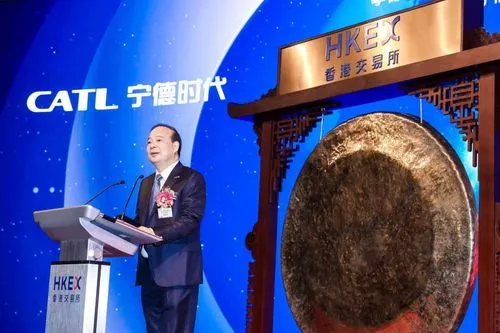
世界最大の電気自動車(EV)バッテリーメーカーである中国のCATL(Contemporary Amperex Technology Co., Limited) が2025年5月20日、香港証券取引所に重複上場を果たし、初 […]
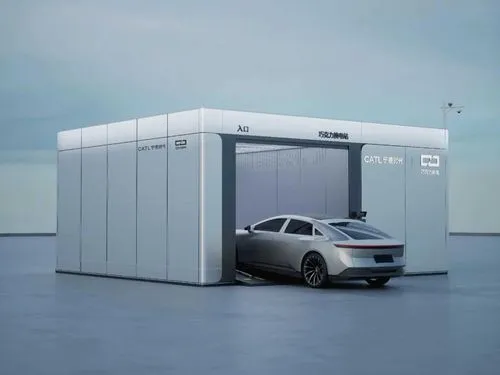
中国の電気自動車メーカーNIOと世界最大のバッテリーメーカーCATLが2025年3月17日、戦略的パートナーシップを締結した。両社は共同で世界最大のバッテリー交換ネットワークを構築し、産業技術の標準化を推進する。CATL […]
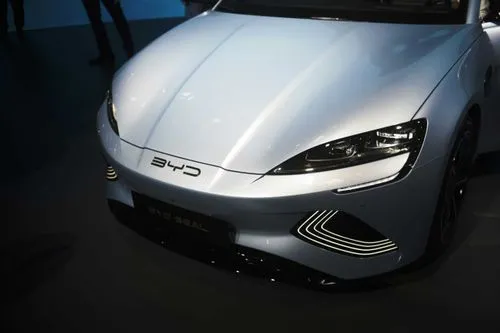
中国の電気自動車(EV)大手BYDが、全固体電池の実用化に向けた計画を加速させている。2027年頃までに「実証実験」を開始し、2030年以降の本格的な量産を目指す。全固体電池は、現行のリチウムイオン電池を凌駕する性能を持 […]

米電気自動車大手Teslaが2024年第4四半期および通年の生産・販売実績を発表し、同社として初めて前年比でのマイナス成長を記録した。市場予想を下回る実績と新型Cybertruckの販売低迷が、同社の成長神話に暗い影を落 […]
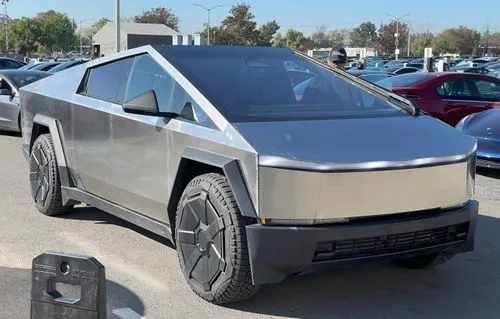
中国の電気自動車大手BYDの施設で、TeslaのCybertruckの詳細な調査が行われている様子が動画で捉えられ、業界内で大きな注目を集めている。このCybertruckはファウンデーション・シリーズと呼ばれる初期モデ […]

2024年11月のノルウェーにおける新車販売で、電気自動車(EV)の占める割合が93.6%に達し、同国の電動化への移行がほぼ完了段階に入ったことが明らかになった。この数字は前年同月と比較して大幅な伸びを示している。 驚異 […]
This study examines how oil market volatility and clean energy trends impact the stock performance of automakers, specifically comparing traditional manufacturers with electric vehicle (EV) producers such as BYD and Tesla. The objective is to assess the extent to which traditional automakers are sensitive to oil market fluctuations, while EV manufacturers align more closely with clean energy dynamics, particularly during global market crises. Using daily data from January 2013 to December 2023, we conduct linear regressions, GARCH, DCC-GARCH and the Diebold–Yilmaz connectedness approaches in the analysis. We use these econometric models to capture volatility patterns, correlations and cross-market spillovers. Traditional manufacturers are affected by both oil prices and clean energy development. While traditional automakers remain more vulnerable to oil price volatility, global leading EV manufacturers BYD and Tesla are less sensitive to oil price shocks and show strong alignment with clean energy indices. Significant volatility spillovers are observed during global crises, such as the COVID-19 pandemic and the Russia–Ukraine conflict. The paper uniquely integrates clean energy indices into the analysis of oil price impacts on automaker stocks. By comparing traditional and EV manufacturers using advanced econometric models, it sheds light on the literature of energy markets and sustainable financial markets.
The potential drag optimization of BYD Qin-Pro EV is firstly illustrated based on the CFD simulation method and verified in wind tunnel tests, and the drag coefficient ( C D ) of this model is reduced from 0.314 to 0.227. Then, by correlating CFD simulation with wind tunnel test, the accuracy of different simulation methods is compared. By analyzing the coherent structures and critical features of the flow field, the relationship between the wake vortex structure and drag, as well as the drag losses caused by wheel rims to overall power loss, are expounded. In addition, according to the road coastdown tests under various conditions, it is found that as the vehicle accelerates, grille sealing and exterior design optimization exhibit a positive trend in reducing drag, but the underbody deflectors are opposite. These findings hold great significance for the aerodynamic development of EVs, particularly in the context of platformization, where there are diverse aesthetic and engineering requirements. This research offers valuable insights into drag reduction for typical sedan and can provide guidance for future aerodynamic advancements in this field.
The increasing demand for large-format lithium-ion batteries in electric vehicles has accelerated the development of cell formats that offer higher energy density and improved pack-level efficiency. Among these, the 4680 cylindrical cell format, pioneered by Tesla, has gained widespread adoption due to its potential to simplify battery pack architecture while enhancing gravimetric energy density. Other cell manufacturers, including Samsung, Panasonic, BYD, and others, have adopted the 46XX format, incorporating various chemistries. This study presents a comprehensive analysis of BYD’s 4680 LFP/graphite cylindrical lithium-ion cells. Detailed physical teardown, X-ray imaging, electrochemical testing, and electron imaging were performed to evaluate both cell- and materials-level attributes. The teardown and X-ray imaging reveal an uncommon multi-tab configuration and homogeneously double-sided electrode coatings, with no silicon additives in the graphite anode. Electrochemical testing indicates energy densities of 374.6 Wh L⁻¹ and 150.5 Wh kg⁻¹. Furthermore, hybrid pulse power characterization and electrochemical impedance spectroscopy show impressive rate capability, with low cell-level DC area-specific resistance (6–17 Ω·cm² across various SOCs) and an area-specific charge transfer resistance of approximately 5.9 Ω·cm². These findings highlight a new direction for the 4680-cell format in both design and performance, establishing a strong foundation for future developments in large-format cylindrical battery technology.
BYD Auto's meteoric rise from a regional Chinese manufacturer to the world's dominant electric vehicle (EV) producer, with over 22% global market share, has triggered a profound crisis in the liberal global trade order, crystallizing tensions between market principles and geopolitical realism. This critical analysis examines the legitimacy of national security exclusions (NSEs) asserted by Western governments, notably the US "Foreign Entity of Concern" (FEOC) clause under the Inflation Reduction Act and the EU's anti-subsidy probe targeting Chinese EVs, as defensive measures against BYD. The research reveals a striking contrast by employing critical discourse analysis of policy language, rigorous legal assessment of WTO NSE jurisprudence (particularly Article XXI GATT and the Russia - Traffic in Transit precedent), and empirical investigation of BYD's market impact and supply chain structure. Findings reveal an expanding doctrine of "economic security" in which NSEs are increasingly deployed in the absence of clear military threats, driven instead by securitization narratives that frame commercial success as strategic vulnerability—a process starkly illustrated by the FEOC's material restrictions and the EU probe's geopolitical framing. This intentional choreography undermines fundamental liberal principles of nondiscrimination and market openness. At the same time, Western industrial policies, such as the $369 billion Inflation Reduction Act subsidies, resemble the very state interventions criticized in China. The resulting normative hypocrisy, which juxtaposes free-market rhetoric against targeted protectionism justified by elastic security claims, undermines the WTO's epistemic authority and accelerates the fragmentation of the rules-based system into a contested interdependence marked by institutional heterogeneity and reciprocal exceptionalism. Keywords: National Security Exception (NSE), World Trade Organization (WTO), Economic Security, Securitization, Liberal Hypocrisy, Electric Vehicles (EVs), BYD, Industrial Policy, Contested Interdependence, Article XXI GATT