
テクノロジー
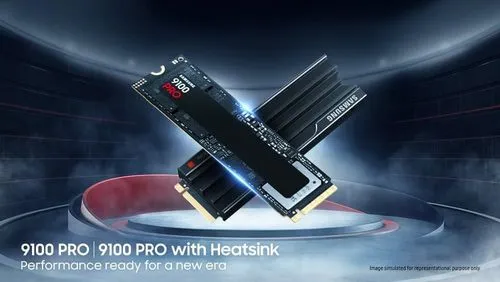
「消費者向けSSD市場は消滅しつつある」:Silicon Motion幹部が警告するAI特需が引き起こすSSD市場の構造変化
生成AI需要に伴うデータセンターへの優先供給により、NANDフラッシュが世界的に不足し、リテール向けSSD市場は消失の危機にある。一方で、コントローラー開発企業はOEM向けやハイエンド製品の需要増により、過去最高水準の業績を記録している。

別名: AI PC
AI PCとは、AI処理に特化したNPU(Neural Processing Unit)を搭載し、クラウドサーバーに依存せずローカル環境で生成AIや推論処理を実行できるパーソナルコンピュータの総称である。IntelのCore Ultraシリーズ、AMDのRyzen AIシリーズ、QualcommのSnapdragon Xシリーズなど各社がNPU搭載チップを投入し、MicrosoftはWindows 11とともに一定の性能基準を満たす機種を「Copilot+ PC」として位置づけている。当初はテキスト生成や画像処理、リアルタイム翻訳などをオンデバイスで処理できる次世代PCとして業界全体が推進してきた。
NPUはCPUおよびGPUと並ぶ処理ユニットとして、行列演算を低電力で処理することに最適化されており、バッテリー消費を抑えつつAI推論を実行できる点が特徴である。Microsoftが定めるCopilot+ PCの基準では一定のTOPS(Tera Operations Per Second)性能が求められ、対応OSやアプリケーションと連携してオンデバイスAI機能を提供する。IntelやAMD、Qualcommだけでなく、AppleもM系チップにNeural Engineを搭載しており、広義にはAI PCの一部に位置づけられる。
生成AIブームを背景にPC業界各社がNPU搭載チップを相次いで発表し、MicrosoftがCopilot+ PCというブランドを立ち上げて市場を牽引してきた。当初は買い替え需要を刺激する新カテゴリとして期待されたが、実際の消費者需要は当初の想定を下回る展開となっている。
2026年に入り、AI PCを取り巻く市場環境は当初の楽観的な見通しから大きく変化している。2026年6月3日、PC業界大手のDellはCES 2026において「消費者はAIを求めていない」と実質的な敗北を認め、AI機能訴求よりも伝統的なXPSブランドの復活に軸足を移す動きを示した。同時期にHPが公表した2026年第1四半期決算では、PC1台あたりの部品表(BOM)に占めるメモリ・ストレージの原価率が35%と、従来の2倍以上に急上昇していることが明らかになった。これは生成AI需要の拡大に伴うデータセンター向けメモリ・NAND供給の優先が原因であり、2026年6月18日にはSilicon Motion幹部が消費者向けSSD市場が消滅しつつあると警告するなど、AI特需によるサプライチェーンの構造変化がPC全体のコスト構造を圧迫している。IDCは2026年6月5日の予測で、部材不足とメモリ価格高騰によりPC平均販売価格が通年で17%上昇し、出荷台数は通年で11.3%減、第4四半期には20%減に達するとの見通しを示した。こうした状況を受けてIntelは2026年4月13日、旧世代CPUを異例の10%値上げに踏み切っており、AI PC不振による需要低迷が旧製品への回帰という逆流現象を招いている。一方、2026年6月8日に報じられたWindows 10サポート終了に伴う買い替え需要では、AppleとLenovoが躍進する一方でDellは苦戦しており、AI PCという単一の訴求軸だけでは市場の勝敗を決められない状況が浮き彫りになっている。
AI PCは、クラウドAIサービスへの依存を減らし、プライバシー保護や低遅延応答を実現する手段として位置づけられてきたが、2026年時点では明確な差別化要因として消費者に十分に評価されているとは言い難い。今後はNPU性能の向上に加え、メモリ・ストレージ供給の安定化やコスト構造の見直しが、AI PC市場の実質的な普及を左右する要素になると見られる。
生成AI需要に伴うデータセンターへの優先供給により、NANDフラッシュが世界的に不足し、リテール向けSSD市場は消失の危機にある。一方で、コントローラー開発企業はOEM向けやハイエンド製品の需要増により、過去最高水準の業績を記録している。
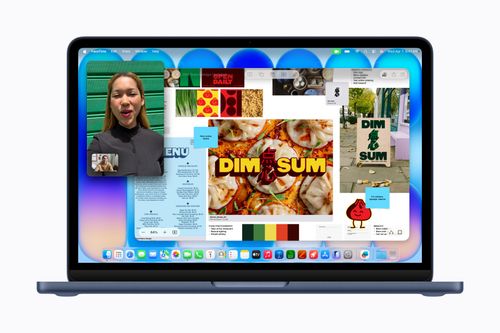
IDCの予測によれば、部材不足やAI需要に伴うメモリ価格の高騰により、2026年のPC平均販売価格は17%上昇し出荷台数も大幅に減少する見通しだ。低価格モデルの投入も期待されるが、2027年末までは構成の妥協や実質的な値上がりが続く。
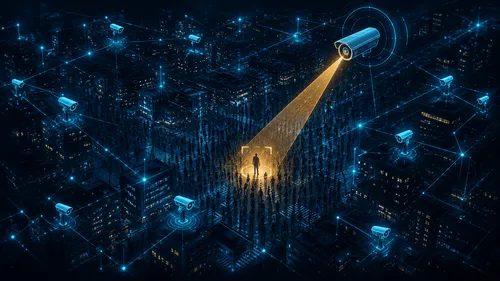
中国の公共空間で何百万台ものカメラが稼働していることは広く知られているが、そのカメラに何ができて何ができないかは、思われているより単純ではない。長年にわたって構築された監視網は実のところ「反応型」のシステムだった。すでにウォッチリストに載っている人物が画角に入れば警報を鳴らせるが、それ以外の人物の行動を事前に解析する能力は乏しかった。その前提が今、変わろうとしている。HikvisionとHuaweiのAIカメラ・ソフトウェアによって、中国各地の地方政府は既存の監視インフラを刷新しており、テキストを打ち込むだけで映像を横断検索できる新世代のシステムが現実の運用に入りつつある。
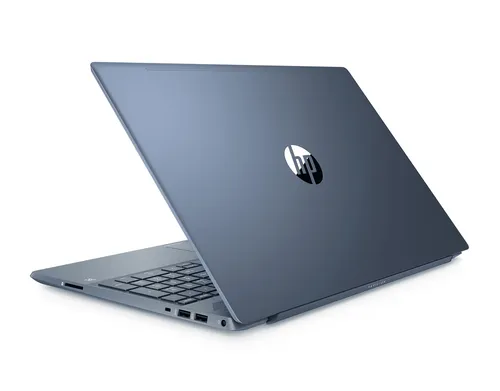
HP Inc.が提示した2026年第1四半期の決算における一本のデータは、世界のPC製造業が抱える病理をこれ以上ないほど冷酷に可視化した。同社が製造するPC1台あたりの部品表(BOM: Bill of Materials […]
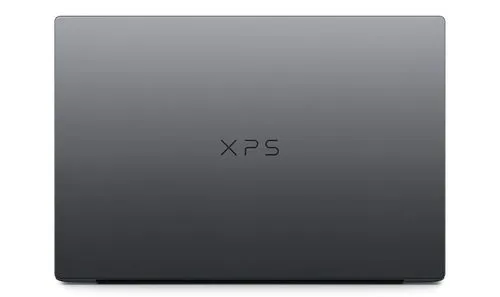
世界最大級のテクノロジー見本市「CES 2026」において、PC業界の巨人Dellは衝撃的な「懺悔」を行った。それは、過去数年間にわたり業界全体が熱病のように推進してきた「AI PC」ブームに対する、冷徹な現実直視であっ […]

デジタルデバイスの性能競争において、ストレージ速度の進化は目覚ましいものがある。しかし、セキュリティとパフォーマンスは長らくトレードオフの関係にあった。特にWindows標準の暗号化機能「BitLocker」は、データ保 […]
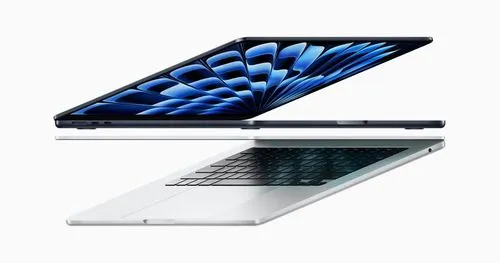
2025年10月14日、一個のOSがその歴史的役割を終えた。MicrosoftのWindows 10である。この「Xデー」は、単なるソフトウェアのサポート終了にとどまらず、世界のPC市場に巨大な波紋を広げる地殻変動の引き […]
テクノロジー業界の常識は「最新こそ最良」であり、旧世代の製品は時間と共にその価値を下げていく。しかし今、その常識を覆すかのような異例の事態がPC市場で起きている。業界の巨人Intelが、数年前にリリースした「Raptor […]
2026年の登場が噂されるIntelの次世代デスクトップCPU「Nova Lake-S」。その詳細なスペックに関する新たなリーク情報が報じられた。それによれば、最上位モデルは、これまでの常識を覆す最大52コア構成(16P […]
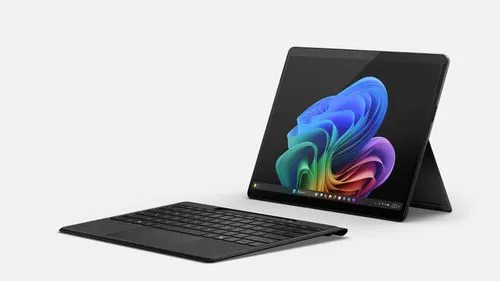
2024年第3四半期のPC市場において、次世代コンピューティングの象徴とされるAI PCの採用は限定的な状況が続いていることが明らかになった。Qualcommの旗艦プラットフォームSnapdragon X搭載機の出荷台数 […]
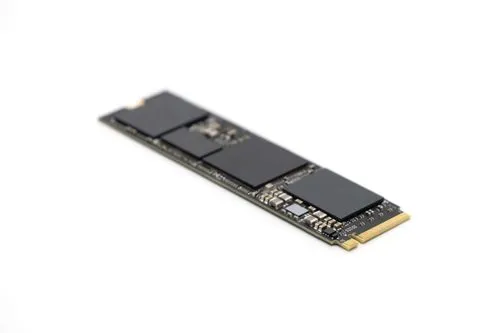
テクノロジー市場の専門家たちが、2024年第4四半期におけるNANDフラッシュ製品、特にSSDの価格動向に注目している。市場調査会社TrendForceの最新レポートによると、2024年末にかけてSSD価格が最大10%下 […]
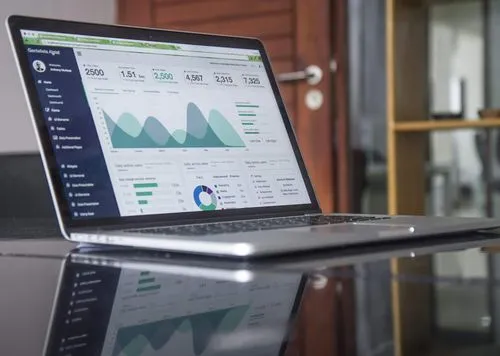
マーケット調査会社のIDCによると、PC市場は2024年第1四半期の回復に続き、第2四半期もプラス成長隣、7四半期連続の減少から脱却し、2四半期連続でのプラス成長となったことが明らかになった。IDCの速報によると、世界の […]
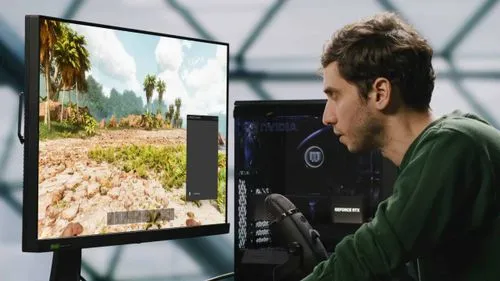
本記事はNVIDIAの公式発表を受けて初出から大きく変更されました。 先日NVIDIAが4年ぶりに掘り起こして話題にしたエイプリルフールネタは、やはり形を変えてリリースされるようだ。NVIDIAは最新のAIモデルを用いて […]
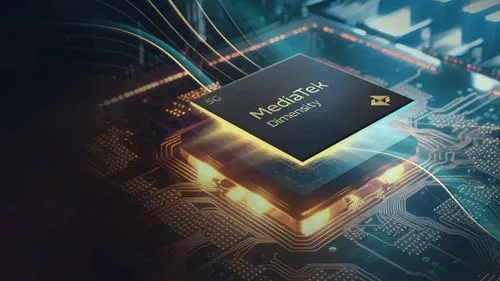
Appleシリコンの低消費電力とパフォーマンスの両立が、今日のMacBookの優位性を築いていると言っても過言ではないだろう。逆にWindowsにはそうしたチップの存在がこれまではなく、パワー重視のx86プロセッサが主流 […]
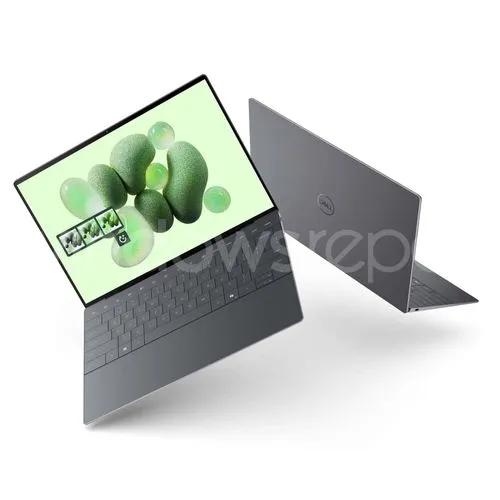
QualcommのSnapdragon Xチップを搭載するノートPCがまもなく明らかになるが、一足先にDellとLenovoの製品がリークされ、その外観が明らかになった。 WindowsReportは、Dellが間もなく […]

IntelのMeteor Lakeから始まったCore Ultra SoCは、同社の予想を上回る需要があるようだが、Intelは後工程がボトルネックになっており、製造に遅れが生じているようだ。同社は生産能力を拡大するため […]
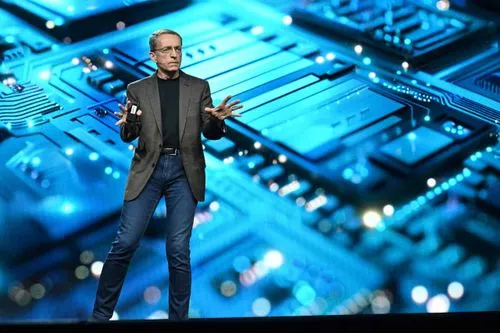
Intel Vision 2024のメイン基調講演で、CEOのPat Gelsinger氏は、コードネーム「Lunar Lake」こと、次期Core Ultra 200Vプロセッサーシリーズの詳細を発表した。Gelsin […]
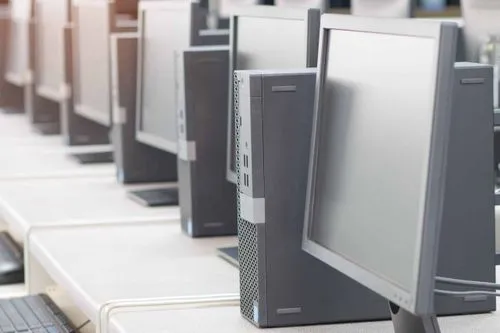
市場調査会社IDCの最新の調査報告によると、2024年第1四半期における世界のPC出荷台数は5980万台となり、前年同期比1.5%の成長率を記録し、ついに数年ぶりに成長に転じたとのことだ。 翻って、2023年第1四半期の […]
ABSTRACT The psychological contract refers to the implicit and subjective beliefs regarding a reciprocal exchange agreement, predominantly examined between employees and employers. While contemporary contract research is investigating a wider range of exchanges employees may hold, such as with team members and clients, it remains silent on a rapidly emerging form of workplace relationship: employees’ increasing engagement with technically, socially, and emotionally sophisticated forms of artificially intelligent (AI) technologies. In this paper we examine social robots (also termed humanoid robots) as likely future psychological contract partners for human employees, given these entities transform notions of workplace technology from being a tool to being an active partner. We first overview the increasing role of robots in the workplace, particularly through the advent of sociable AI, and synthesize the literature on human–robot interaction. We then develop an account of a human-social robot psychological contract and zoom in on the implications of this exchange for the enactment of reciprocity. Given the future-focused nature of our work we utilize a thought experiment, a commonly used form of conceptual and mental model reasoning, to expand on our theorizing. We then outline potential implications of human-social robot psychological contracts and offer a range of pathways for future research.
Imagine a world where AI can handle your work while you sleep - organizing your research materials, drafting a report, or creating a presentation you need for tomorrow. However, while current digital agents can perform simple tasks, they are far from capable of handling the complex real-world work that humans routinely perform. We present PC Agent, an AI system that demonstrates a crucial step toward this vision through human cognition transfer. Our key insight is that the path from executing simple"tasks"to handling complex"work"lies in efficiently capturing and learning from human cognitive processes during computer use. To validate this hypothesis, we introduce three key innovations: (1) PC Tracker, a lightweight infrastructure that efficiently collects high-quality human-computer interaction trajectories with complete cognitive context; (2) a two-stage cognition completion pipeline that transforms raw interaction data into rich cognitive trajectories by completing action semantics and thought processes; and (3) a multi-agent system combining a planning agent for decision-making with a grounding agent for robust visual grounding. Our preliminary experiments in PowerPoint presentation creation reveal that complex digital work capabilities can be achieved with a small amount of high-quality cognitive data - PC Agent, trained on just 133 cognitive trajectories, can handle sophisticated work scenarios involving up to 50 steps across multiple applications. This demonstrates the data efficiency of our approach, highlighting that the key to training capable digital agents lies in collecting human cognitive data. By open-sourcing our complete framework, including the data collection infrastructure and cognition completion methods, we aim to lower the barriers for the research community to develop truly capable digital agents.
In this paper, we present a new AI (Artificial Intelligence) edge platform, called “MiniDeep”, which provides a standalone deep learning platform based on the cloud-edge architecture. This AI-Edge platform provides developers with a whole deep learning development environment to set up their deep learning life cycle processes, such as model training, model evaluation, model deployment, model inference, ground truth collecting, data pre-processing, and training data management. To the best of our knowledge, such a whole deep learning development environment has not been built before. MiniDeep uses Amazon Web Services (AWS) as the backend platform of a deep learning tuning management model. In the edge device, the OpenVino enables deep learning inference acceleration at the edge. To perform a deep learning life cycle job, MiniDeep proposes a mini deep life cycle (MDLC) system which is composed of several microservices from the cloud to the edge. MiniDeep provides Train Job Creator (TJC) for training dataset management and the models’ training schedule and Model Packager (MP) for model package management. All of them are based on several AWS cloud services. On the edge device, MiniDeep provides Inference Handler (IH) to handle deep learning inference by hosting RESTful API (Application Programming Interface) requests/responses from the end device. Data Provider (DP) is responsible for ground truth collection and dataset synchronization for the cloud. With the deep learning ability, this paper uses the MiniDeep platform to implement a recommendation system for AI-QSR (Quick Service Restaurant) KIOSK (interactive kiosk) application. AI-QSR uses the MiniDeep platform to train an LSTM (Long Short-Term Memory)-based recommendation system. The LSTM-based recommendation system converts KIOSK UI (User Interface) flow to the flow sequence and performs sequential recommendations with food suggestions. At the end of this paper, the efficiency of the proposed MiniDeep is verified through real experiments. The experiment results have demonstrated that the proposed LSTM-based scheme performs better than the rule-based scheme in terms of purchase hit accuracy, categorical cross-entropy, precision, recall, and F1 score.
To better design AI processors, it is critical to characterize artificial intelligence (AI) workloads and contrast them to normal personal computer (PC) workloads. In this work, we profiled the AIBench and PassMark PerformanceTest benchmarks with the Intel oneAPI VTune Profiler on a multi-core computer. We captured and contrasted the various CPU and platform metrics and event counts for these two distinct benchmarks. Using the Orange 3.0 data mining tool, and based on the captured profile metrics and event counts, we then trained and tested 9 machine learning (ML) models to classify the CPIs and elapsed times of the various tests of these two benchmarks, including inference and training tests in AIBench, and CPU, memory, graphics, and disk tests in PassMark. The linear regression machine learning model emerged as the best clocks per instruction (CPI) classifier, while the neural network model with 4 hidden layers was the best elapsed time classifier. This machine learning classification can help in predicting the CPI and elapsed time and distinguish between AI and standard PC workloads based on the profiled application(s) and captured profile metrics and event counts. The stressed computer units identified by this detailed profiling work and exercised by the benchmark tests can also guide future AI processor design improvements.
Imagine a new kind of tabletop gaming experience, where a narrator is describing a complex fantasy world, and players gathered around the table can see the events of their world unfolding in real-time, on their PC devices. In this talk, we will show attendees how to execute multi-modal Generative AI (Gen AI) models, running on a PC, in real-time to create immersive scenery, followed by an interactive live demonstration. This talk walks through the optimization of Gen AI modalities, chaining audio transcription and diffusion models, together in real-time. We compress these models with the OpenVINO™ Toolkit and leverage the Intel® Core™ Ultra processor to split these workloads across CPU, integrated GPU, and Neural Processing Unit (NPU), getting the best performance for each model. We also cover exciting new developments with temporal-consistent and depth estimation approaches towards high-resolution, 3D, pop-up, scenery generation. This talk equips participants with hands-on tools to resolve challenges with real-time, high-quality gaming scenery generation on their PC for gaming.