
テクノロジー
Anthropicが米国政府を提訴:「サプライチェーンリスク」指定の撤回を求め、AI安全性と国家権力の境界線が法廷へ
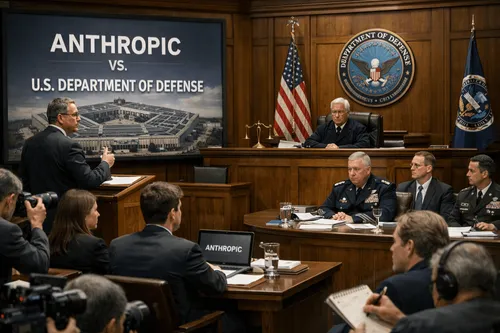
2026年3月10日(月)、AI開発企業Anthropicは、米国国防総省(Department of Defense: DOD)をはじめとする17の連邦機関と大統領行政府を相手取り、カリフォルニア州北部地区連邦地方裁判 […]

Donald Trumpは米国の政治家であり、2017年から2021年まで第45代大統領を務め、2025年1月に第47代大統領として再び就任した。共和党所属で、不動産開発やメディア出演を経て政界入りした経歴を持つ。第二次政権では、AIや半導体をはじめとする先端技術分野の政策決定が、業界の動向に直接的な影響を与える存在となっている。
Trump政権は関税政策、輸出管理、AI企業への規制などテクノロジー産業に関わる政策を積極的に展開している。半導体の対中輸出やAI開発企業と連邦政府の関係は、Trump大統領が自身のSNS「Truth Social」上で発表する方針や大統領令によって左右される場面が多く、企業側の対応や法的措置を誘発している。
第45代大統領としての任期を経て、2025年1月に第47代大統領として就任した。就任直後には、OpenAI、Oracle、SoftBankが参加する総額5000億ドル規模のAIインフラ構想「Stargateプロジェクト」をホワイトハウスで発表し、AI産業への積極的な関与を示した。
2026年2月27日、Trump大統領はTruth Social上で全連邦機関に対しAnthropicの技術の即時使用停止を命じ、Pete Hegseth国防長官もXで対応を表明した。これを受けAnthropicは反発し、2026年3月10日には国防総省を含む17の連邦機関と大統領行政府を相手取り、カリフォルニア州北部地区連邦地方裁判所に提訴した。AI安全性と国家権力の境界線を問う訴訟として注目されている。
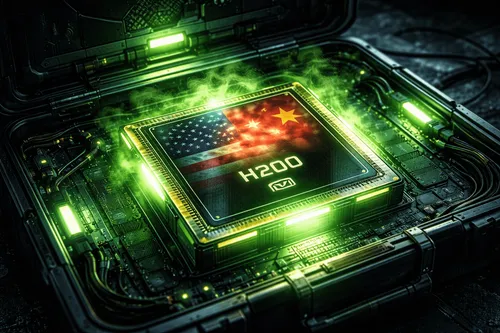
半導体分野では、2026年1月にスイス・ダボスで開催された世界経済フォーラムの場を経て、NVIDIAの高性能AIチップ「H200」の中国向け販売を容認する方針をTruth Social上で明らかにした。この方針は25%の手数料を課す一方、最新世代の「Blackwell」を対象外とするもので、米国のAI覇権戦略の一環と位置づけられている。この対中輸出解禁については、Anthropic経営陣が安全性の観点から強く批判するなど、業界内でも意見が分かれた。
貿易政策では、2026年1月22日、欧州8カ国に対し2月1日発動予定だった一律10%の追加関税を撤回すると表明し、米欧間の貿易摩擦懸念を一転して収束させた。同日には、6年間続いたTikTok米国事業をめぐる紛糾に対し、ByteDanceとOracle、Silver Lake、MGXなどが参加する新会社USDSによる解決策も提示され、Trump政権下でのテクノロジー・地政学政策の集約点となった。
これらの動向は、AI・半導体・データプラットフォームといった先端技術産業が、Trump政権の外交・通商・安全保障政策と密接に結びついていることを示している。Anthropicの提訴に見られるように、企業側が政権の措置に対して法的手段を講じる動きも出ており、AI安全性と国家権力の境界線を巡る議論は今後も続くとみられる。
2026年3月10日(月)、AI開発企業Anthropicは、米国国防総省(Department of Defense: DOD)をはじめとする17の連邦機関と大統領行政府を相手取り、カリフォルニア州北部地区連邦地方裁判 […]

2026年2月27日(米国東部時間)、Donald Trump大統領はTruth Socialで全連邦機関に対しAnthropicの技術の即時使用停止を命じた。その直後、Pete Hegseth国防長官はXへの投稿でAn […]
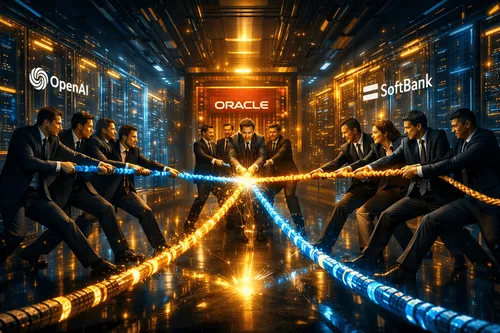
2025年1月、ホワイトハウスでDonald Trump大統領がStargateプロジェクトを発表した瞬間、AIインフラ戦争の「決定打」が放たれたように見えた。OpenAI、Oracle、SoftBankの三社が総額50 […]
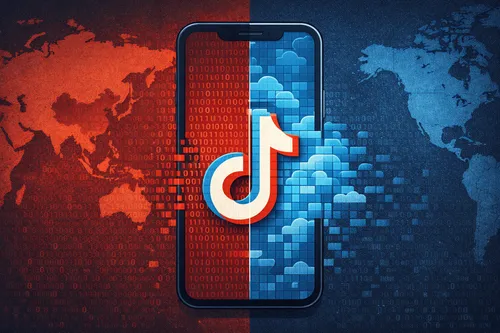
2026年1月22日、6年間にわたる政治的紛糾と地政学的な綱引きの末、TikTokの米国事業をめぐる最終的な解決策が提示された。親会社であるByteDanceと、Oracle、Silver Lake、MGXを含む非中国系 […]
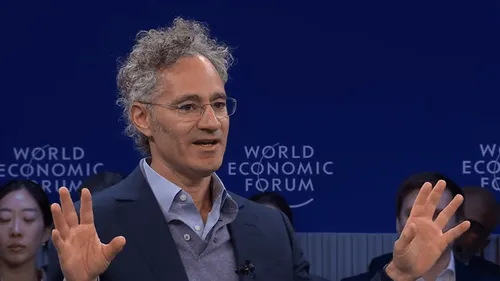
スイス・ダボスで開催されたWorld Economic Forum (WEF)。世界の政財界トップが集うこの場所で、データ分析企業Palantir TechnologiesのCEO、Alex Karp氏が放った一連の発言 […]
![[TACO]トランプ大統領、対欧州関税を電撃撤回:「グリーンランド買収」から「ゴールデンドーム」構想へ転換した舞台裏と世界経済への衝撃](https://media.xenospectrum.com/small_us_greenland_golden_dome_f583520562.webp)
2026年1月22日、世界経済を震撼させていた「米欧貿易戦争」の懸念が一転、劇的な収束を見せた。Donald Trump米大統領は、2月1日に発動予定だった欧州8カ国に対する一律10%の追加関税を撤回すると表明したのだ。 […]
2026年1月、スイスのダボスで開催された世界経済フォーラム(WEF)。雪に閉ざされた静謐なリゾート地で、世界のテクノロジー業界を震撼させる「舌戦」が繰り広げられた。 生成AIの安全性と倫理を最重視するAnthropic […]
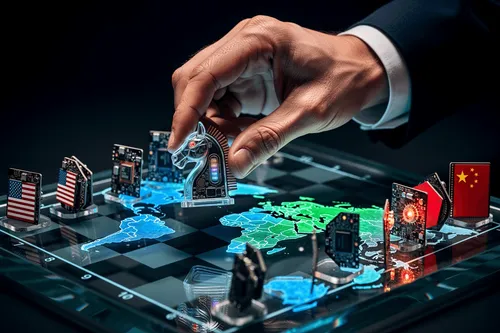
米国大統領Donald Trumpは、自身のSNSプラットフォーム「Truth Social」において、米NVIDIAの高性能AIチップ「H200」について、中国の「承認された顧客」への販売を許可する方針を明らかにした。 […]
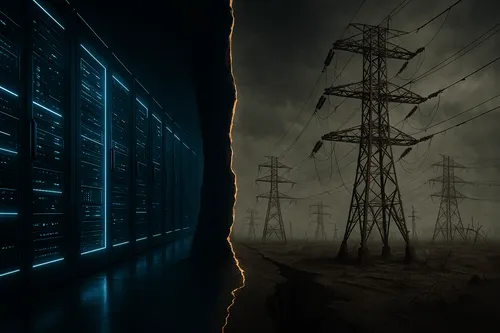
シリコンバレーはいま、かつてないほどのジレンマに直面している。NVIDIAの最新鋭GPU「Blackwell」の確保に血眼になり、数千億ドルもの資金をデータセンター建設に注ぎ込んでいる巨大テック企業たちだが、彼らの野望を […]

OpenAIのSam Altmanが今年初め、サンフランシスコで記者団に対してAI業界はバブル状態にあると語ったとき、アメリカのテクノロジー市場はほぼ即座に反応した。 AIパイロットプロジェクトの95パーセントが失敗して […]
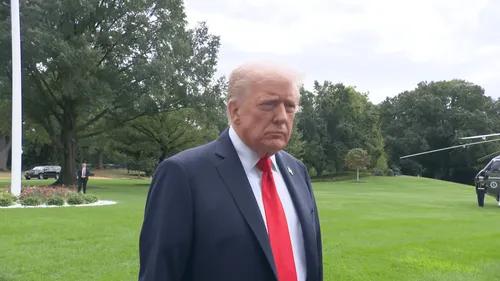
2025年10月10日、Donald Trump米大統領は、中国からの輸入品に対し、現行の関税に上乗せする形で100%という前代未聞の追加関税を課すことを自身のSNS「Truth Social」で宣言した。さらに、「あら […]
巨大半導体メーカー、Intelが揺れている。外部からはDonald Trump大統領による異例のCEO辞任要求という政治的圧力がかかり、内部では会社の根幹戦略を巡る取締役会との深刻な対立が報じられる。この「外圧」と「内圧 […]

2025年第2四半期のグローバルPC市場は、一見すると堅調な回復基調にあるように見える。市場調査会社IDCが発表した最新の速報データによれば、全世界のPC出荷台数は前年同期比6.5%増の6,840万台に達した。しかし、こ […]
AIブームが引き起こした未曾有の電力需要を背景に、米国のエネルギー戦略が大きく舵を切ろうとしている。その象徴的な動きとして、データ分析の巨人Palantir Technologiesが、原子力スタートアップThe Nuc […]
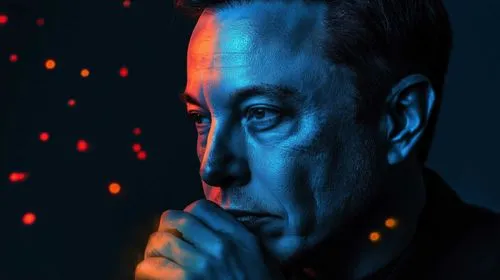
かつて蜜月関係にあったDonald Trump米国大統領と、テクノロジー界の巨人Elon Musk氏。その関係は今、公然たる非難の応酬へと転じ、ワシントンとシリコンバレー、そして金融市場に激震を走らせている。きっかけは一 […]

米短編動画アプリTikTokは1月20日(現地時間)、約14時間にわたって停止していた米国でのサービスを再開した。これは Donald Trump次期大統領が就任後に執行命令を発出し、連邦禁止法の執行を遅らせる意向を示し […]
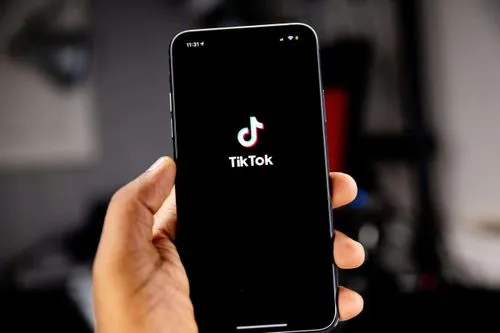
米AI検索エンジンのPerplexity AIが、動画共有アプリTikTokの米国事業との合併を目指し、中国ByteDanceに対して正式な提案を行った。CNBCの報道によると、提案されている取引額は500億ドル(約7. […]

米国Joe Biden政権は11月14日、2050年までに国内の原子力発電容量を3倍以上に拡大し、新たに200ギガワット(GW)の原子力発電設備を導入する包括的なロードマップを発表した。この計画は、気候変動対策とエネルギ […]
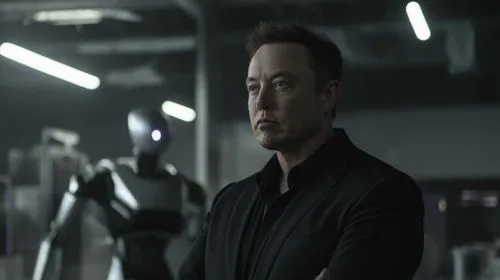
Elon MuskはDonald Trumpのアメリカ大統領再選に向けた挑戦を支持している。彼はTrump支持の「政治活動委員会」(PAC)に数百万ドルを投じ、Trumpの集会にも同席している。 Muskは長年にわたり政 […]
Abstract Donald Trump is the first U.S. President to be on the record as having anti-vaccination attitudes. Given his enormous reach and influence, it is worthwhile examining the extent to which allegiance to Trump is associated with the public's perceptions of vaccine safety and efficacy. In both Study 1 (N = 518) and Study 2 (N = 316), Trump voters were significantly more concerned about vaccines than other Americans. This tendency was reduced to non-significance after controlling for conspiracist ideation (i.e., general willingness to believe conspiracy theories) and, to a lesser degree, political conservatism. In Study 2, participants were later exposed to real Trump tweets that either focused on his anti-vaccination views, or focused on golf (the control condition). Compared to when the same respondents were sampled a week earlier, there was a significant increase in vaccine concern, but only among Trump voters who were exposed to the anti-vaccination tweets. The effects were exclusively negative: there was no evidence that anti-vaccination Trump tweets polarized liberal voters into becoming more pro-vaccination. In line with the social identity model of leadership, Study 2 indicates that some leaders do not simply represent the attitudes and opinions of the group, but can also change group members' opinions.
This article introduces the concept of “hijacked victimhood” as a form of strategically leveraging victimhood narratives. It is a subset of strategic victimhood, which is a relatively common communicative strategy whereby groups claim victimhood status in contests over power and legitimacy. Political leaders who use the strategy of hijacked victimhood present dominant groups as in danger, as current or future victims, and in need of protection (especially by the crafter of the narrative) from oppressive forces consisting of—or indirectly representing—marginalized and subaltern groups. In the process, leaders hijacking victimhood blunt the rights-based claims of such groups. Analyzing Viktor Orbán’s and Donald Trump’s elite rhetoric in Hungary and the United States, respectively, we inductively document varieties of hijacked victimhood in their political communication, showing how Orbán leverages historical suffering and resistance while Trump constructs economic and value-based harms for dominant groups. Making both conceptual and empirical contributions, we argue that at the heart of hijacked victimhood is a reversal of the victimizer–victim dichotomy, a new portrayal of moral orders, a teleological ordering of past and future harms, and a mobilization of security threats—all used to preserve or expand a dominant group’s power.
On January 6th, 2021, Donald Trump's speech during a 'Save America' rally was followed by mass violence, with Trump's supporters storming the U.S. Capitol to prevent the certification of Joe Biden's victory in the presidential election. In its wake, there was a great deal of debate around whether the speech contained direct instructions for the subsequent violence. In this paper, we use a social identity perspective on leadership (and more specifically, on toxic leadership) to analyse the speech and see how its overall argument relates to violence. We show that Trump's argument rests on the populist distinction between the American people and elites. He moralises these groups as good and evil respectively and proposes that the very existence of America is under threat if the election result stands. On this basis he proposes that all true Americans are obligated to act in order prevent Biden's certification and to ensure that the good prevails over evil. While Trump does not explicitly say what such action entails, he also removes normative and moral impediments to extreme action. In this way, taken as a whole, Trump's speech enables rather than demands violence and ultimately it provides a warrant for the violence that ensued.
There is considerable debate about whether survey respondents regularly engage in “expressive responding” – professing to believe something that they do not sincerely believe to show support for their in-group or hostility to an out-group. Nonetheless, there is widespread agreement that one study provides compelling evidence for a consequential level of expressive responding in a particular context. In the immediate aftermath of Donald Trump’s 2017 presidential inauguration rally there was considerable controversy about whether this inauguration crowd was the largest ever. At this time, a study was conducted which found that Donald Trump voters were more likely than Hillary Clinton voters or non-voters to indicate that an unlabeled photo of Donald Trump’s 2017 presidential inauguration rally showed more people than an unlabeled photo of Barack Obama’s 2009 presidential inauguration rally, despite the latter photo clearly showing more people. However, this study was not pre-registered, suggesting that a replication is needed to establish the robustness of this important result. In the present study, we conducted an extended replication over two years after Donald Trump’s presidential inauguration rally. We found that despite this delay the original result replicated, albeit with a smaller magnitude. In addition, we extended the earlier study by testing several hypotheses about the characteristics of Republicans who selected the incorrect photo.