

テクノロジー
Steam FrameのWindowsゲーム互換性が改善へ Valve、FEXのコードキャッシュを有効化
ValveがProton ExperimentalのArm版でFEXコードキャッシュを有効化。遅い側1%のフレーム時間を改善する仕組みと、実測値・容量管理が未公表という限界を一次資料から検証する。

Protonは、Valveが開発するLinux上でWindows向けゲームを実行するための互換レイヤーである。オープンソースのWindows互換実装であるWineをベースに、Valveが独自の改良とゲーム向け最適化を加えたもので、Steamクライアントの機能「Steam Play」を通じて提供される。Steam DeckをはじめとするLinuxベースのゲーミング機器の中核技術として位置づけられている。
ProtonはDirectXからVulkanへの変換、コントローラー入力の互換性処理、各種DRMやアンチチート機構への対応など、Windows向けゲームをLinux上で違和感なく動作させるための多くの技術要素を統合している。ユーザーはSteamのライブラリからWindows専用タイトルを起動する際、Protonを経由することで特別な設定を行わずに実行できる場合が多く、対応状況はコミュニティによる評価データベースでも共有されている。単体のソフトウェアとしてだけでなく、SteamOSというOS全体のゲーム互換性を支える基盤技術として機能している。
Protonの技術的な特徴は、Wineという既存のオープンソースプロジェクトを土台に、Valveがゲーム実行に特化した機能を追加している点にある。グラフィックスAPIの変換にはDXVKやVKD3Dといった関連プロジェクトが用いられ、Vulkanを介してLinuxネイティブのグラフィックスドライバーと連携する構造になっている。この設計により、NVIDIAやAMDなど各GPUベンダーのドライバー実装の完成度が、Proton経由でのゲーム体験に直接影響する関係が生まれている。近年はDLSSやFSRといったアップスケーリング技術、NVIDIA ReflexやAMD Anti-Lag 2のような低遅延技術への対応も、Linux環境における体験の質を左右する要素として注目されている。
2026年5月には、ValveがProton 11.0 BetaをWine 11.0ベースに更新し、Proton Experimentalで先行検証されていた多数のゲームタイトルの互換性改善が広く反映された。X-Plane 12のような負荷の大きいタイトルへの対応が進み、周辺コンポーネントの更新を通じて将来的なARM対応を見据えた布石も示されている。同時期にはEAが自社アンチチート「Javelin」のARM64およびLinux対応を検討している動きも報じられ、PCゲーミングエコシステム全体でx86依存からの脱却が進む可能性が浮上した。
2026年6月には、LinuxのオープンソースNVIDIA Vulkanドライバー「NVK」において、DLSSのネイティブサポートがMesa 26.2-develに実装されたことが明らかになった。この実装は、ValveのLinux開発者がDLSSの実体がCUDAカーネルの集合体であるという構造を発見し、わずか約3日で完成させたプロトタイプを起点としており、安定版は2026年8月5日前後にリリースされる予定である。同月には次世代Steam MachineのベンチマークやFSR 4対応の検討も報じられ、ValveがAMDと協力しながら据え置き機の描画品質向上を進めていることが示された。また同時期のSteamハードウェア調査では、Linuxのシェアがピークだった3月の5.33%から3.99%へ後退したことも報告され、市場は過渡期にあるとみられている。
ValveがProton ExperimentalのArm版でFEXコードキャッシュを有効化。遅い側1%のフレーム時間を改善する仕組みと、実測値・容量管理が未公表という限界を一次資料から検証する。

LinuxとmacOSでXboxのPCゲームを動かすXodusが、認証・配信・ライセンス取得・実行ファイル復号まで実装した。一般向けリリースとMSIXVC2対応、実ゲームの互換性は未確定だ。

Linux向けRFCがSteam Deck OLEDの1% Lowを31.8%改善した。平均fpsは不変で、短い待ち後の周波数低下を狙う一方、消費電力と採用可否は未検証だ。

ReactOSがWineなど互換レイヤーを使わずHalf-Life 2の実行に成功したと報じられた。カーネルとドライバモデルを自前実装する30年がかりの取り組みが、初代Half-Lifeよりも負荷の高い後継作でも機能した経緯を解説する。

ValveはAMDと協力し、据え置き型端末Steam MachineへMLベースの画質向上技術FSR 4を導入する。RDNA 3世代のGPUで高性能なアップスケーリングを実現し、4Kテレビでの描画品質を大幅に改善することで製品価値の向上を目指す。(119文字)

LinuxのオープンソースNVIDIA VulkanドライバーNVKが、DLSSのネイティブサポートをMesa 26.2-develに実装した。NVIDIAのプロプライエタリドライバーを必要とせずDLSSを動かすこの実装は、ValveのLinux開発者Autumn Ashtonがわずか約3日で完成させたプロトタイプを起点としている。鍵はDLSSの実体がCUDAカーネルの集合体であるという構造的な発見であり、2つのVulkan拡張を追加することで接続が実現した。安定版は2026年8月5日前後にリリース予定だ。

Valveが開発中の次世代機「Fremont」のベンチマークが流出し、Zen 4採用のカスタムチップや独立したVRAMの搭載が判明した。本機はSteamOSとの最適化が進む高い電力効率の据え置き機であり、既存の家庭用ゲーム機を凌駕する演算能力を備えている。

SteamでのLinuxシェアは3月の記録的な水準から3.99%まで下落し、Windows 11への移行加速やハード供給の影響で過渡期を迎えている。一方でRTX 3060がGPU首位を維持し、CachyOS等の特定OSが台頭するなど市場は複雑化している。

入力遅延を軽減するNVIDIA ReflexとAMD Anti-Lag 2は、ベンダーロックインにより他社製GPUでは利用できなかった。Linux環境では、MesaドライバーのAMD Anti-Lag 2実装の不完全さや、NVIDIA Reflexのみ対応するゲームが多いことで、AMDやIntel Arcユーザーは遅延削減の恩恵を受けられなかった。 しかし、個人開発者によるVulkanレイヤー「low_latency_layer」が登場した。これはNVIDIA ReflexやAMD Anti-Lag 2の命令をハードウェア非依存のコードに変換し、GPUを偽装することで、RadeonやIntel Arcを含む全てのGPUでNVIDIA Reflexを動作させる画期的なソリューションである。

AndroidデバイスでPCゲームをネイティブ実行するGameNativeが、フレーム生成技術「LSFG-VK」を統合した。これにより、従来の重いPCゲームも高フレームレートで動作可能となり、モバイルデバイスの高リフレッシュレートディスプレイを最大限に活用できるようになった。

Valveは、Linux上でWindowsゲームを動かす互換レイヤー「Proton 11.0 Beta 1」を公開した。これはWine 11.0ベースへの更新に加え、Proton Experimentalで先行していた多くのゲームタイトルや修正がベータ版に移行し、安定した互換性改善をより広いユーザーに提供する。特にX-Plane 12のような重量級タイトルへの対応や、周辺コンポーネントの広範な更新により、単なるゲーム追加に留まらない実利用での安定化と将来的なARM対応への布石が示された。

Electronic Arts(以下EA)が、自社のマルチプレイヤーゲームにおける根幹システムに構造的な転換をもたらそうとしている。同社が新たに公開した「シニア・アンチチート・エンジニア(ARM64)」の求人情報から、同 […]

PCゲーム配信のGOG.com(以下、GOG)が、大きな変化を遂げようとしている。長年、Linuxコミュニティから熱望されながらも実現に至らなかった「GOG Galaxy」のLinuxネイティブ対応がついに動き出したのだ […]

2025年のPCゲーミング業界は、こと“Linux”においては、かつてない躍進が見られている事は間違いない。 そして今回、Fedoraをベースとしたゲーミング特化型Linuxディストリビューション「Bazzite」の開発 […]

2000年代初頭のPCゲームシーンを彩った数々の名作。その多くが採用したグラフィックスAPI「Direct3D 7」。現代のOSでは動作が困難なこれらのタイトルを、最新のLinux環境で蘇らせる画期的なオープンソースプロ […]
Valveが運営する世界最大のPCゲームプラットフォーム「Steam」が、最新のベータ版クライアントに「セキュアブート」および「TPM」の有効状態を検出する機能を追加した。これは、今後の大型タイトルでチート対策としてこれ […]

長年、IT業界の片隅で囁かれ続けてきたジョークがある。「来年こそが、デスクトップLinuxの年だ」。それは、期待と自嘲が入り混じった、オープンソースコミュニティの合言葉のようなものだった。だが、2025年の夏、そのジョー […]
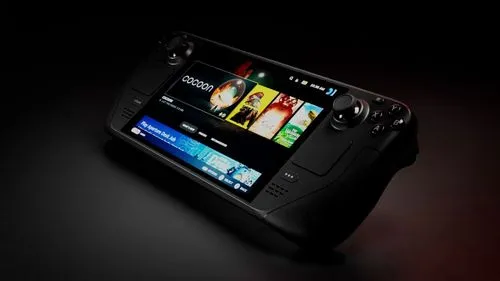
Ars Technicaが公開した最新のベンチマークテストが、業界に衝撃を与えている。Lenovoの携帯ゲーミングPC「Legion Go S」において、ValveのSteamOSがMicrosoftのWindows 1 […]
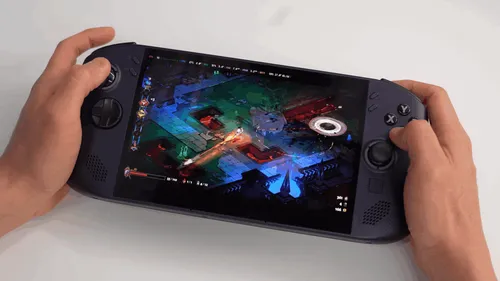
Lenovoの携帯ゲーミングPC「Legion Go S」において、搭載OSによる性能差が大きな注目を集めている。人気YouTuberのDave Lee氏(Dave2D)が実施した詳細な比較テストにより、Valve社のL […]
This paper describes the reconstruction of electrons and photons with the ATLAS detector, employed for measurements and searches exploiting the complete LHC Run 2 dataset. An improved energy clustering algorithm is introduced, and its implications for the measurement and identification of prompt electrons and photons are discussed in detail. Corrections and calibrations that affect performance, including energy calibration, identification and isolation efficiencies, and the measurement of the charge of reconstructed electron candidates are determined using up to 81 fb−1 of proton-proton collision data collected at √ s = 13TeV between 2015 and 2017.
Solid-state proton conductors (SSPCs), which are a key component for the safety and efficiency of fuel cells, have received much attention due to their broad application in electrochemical devices. In particular, the development of new materials with high conducting performance and an understanding of the conduction mechanism have become critical issues in this field. Porous metal-organic frameworks (MOFs) or porous coordination polymers (PCPs) have recently emerged and have been extensively studied as a new type of proton conductor due to their crystallinity, designability, and high porosity. These properties are able to adsorb the guest molecules working as conducting media. During the past decade, major advances in proton-conductive MOFs have been achieved with high performance (>10-2 S cm-1), comparable to the conventional material, via various synthetic strategies, and the veiled conduction mechanism has been elucidated through structure analysis and spectroscopy tools such as NMR, X-ray diffraction, and neutron scattering measurement. This Review aims to summarize and provide a comprehensive understanding of proton transport in MOFs. Here, we discuss the fundamental principles and various design strategies and implementations aimed at enhancing proton conductivity with representative examples. We also deal with characterization methods used to investigate proton-conductive MOFs and computational/theoretical studies that aid in understanding the conduction mechanism. Finally, future endeavors are suggested regarding the challenges of research for practical SSPCs.