
テクノロジー
退役サーバーからDDR4を回収 Googleがメモリ供給防衛へ踏み込む
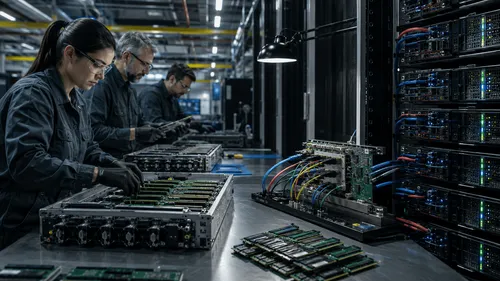
Googleは退役サーバーからDDR4を回収し、専用インターフェースで新世代AIサーバーへ再接続している。メモリ不足が部品循環を供給防衛へ変えた。

別名: DDR4 SDRAM, DDR4, DDR4 DRAM
DDR4は、JEDECが標準化したダブルデータレート同期ダイナミックランダムアクセスメモリの第4世代規格であり、DDR4 SDRAMとも呼ばれる。パーソナルコンピュータやサーバーの主記憶として広く採用されてきた規格であり、後継規格DDR5への移行が進む中でも、車載機器や産業機器、ネットワーク機器などの分野では現在も現役の主力メモリとして使われ続けている。
DDR4は前世代のDDR3の後継として登場したメモリ規格で、DDR5が登場する以前は最新世代の主流規格として長年にわたりPC・サーバー市場を支えてきた。現在はDDR5への世代交代が進んでいるものの、成熟した規格であることから製造コストが比較的安定しており、AIサーバー向けの高帯域幅メモリとは異なる用途、すなわち一般向けPCや車載・産業機器向けのメモリとして依然重要な地位を占めている。
DDR5がAIサーバー向けの高速・高帯域幅需要を担う一方、DDR4は成熟メモリとして長期供給が求められる用途に適している。実際にMicron Technologyは、最先端のAIサーバー向けHBMやDDR5の競争とは別軸で、車載や産業機器向けのDDR4/LP4供給を増強する方針を示しており、DDR4が最新世代メモリと役割を分担する形で市場に位置づけられていることがわかる。またMetaはCXL規格を介して古いDDR4メモリを低速な記憶階層として再利用する独自ASICを実運用に投入しており、DDR4が退役後も低コストの記憶資源として活用され得ることを示す事例となっている。
2026年に入り、AIデータセンター向け高帯域幅メモリの需要急増を背景に、一般向けを含むメモリ市場全体で品薄と価格高騰が深刻化している。業界団体のSEMIは2026年7月4日、政府による直接的な価格介入は市場を歪めるとして反対し、税制優遇などの財政支援を軸とした対策を提言した。この供給不安を受け、2026年6月5日には自作PC市場でDDR4プラットフォームの増産や対応製品の再投入が進んでいることが報じられ、DDR5のコスト負担を避けたい層に向けた需要補完策として旧世代規格が再評価されている動きが明らかになった。
同時期の2026年6月29日には、Micronが米バージニア州マナサス工場で1α DRAMの製造を開始し、20億ドル超を投じてDDR4/LP4を含む成熟メモリの米国内生産体制を強化する方針を示した。これはAI向け先端メモリの陰で不足感が高まっていた車載・産業機器向けDDR4の供給を米国内で増強し、サプライチェーンの強靭化を図る取り組みである。さらに2026年6月30日には、Metaが退役サーバーから回収した古いDDR4メモリを最新世代サーバーで再利用するCXL ASIC「Vistara」を実運用に投入し、AI推論などでサーバー必要数を最大25%削減した可能性が報じられた。
一方でメモリ業界全体としては、2026年6月25日にMicronが16件の長期供給契約を2030年まで結んだことが判明し、高値市況が長期にわたり継続する見通しが示されている。また同日、Samsung、SK hynix、Micronの主要3社が次世代規格DDR6の開発を本格化させ、2028年から2029年の商用化を目指すロードマップを描いていることも明らかになった。DDR4は、こうした次世代規格開発やAI需要拡大の圧力を受けつつも、既存インフラの延命策や成熟メモリ需要の受け皿として、当面は一定の役割を保ち続けるとみられる。
Googleは退役サーバーからDDR4を回収し、専用インターフェースで新世代AIサーバーへ再接続している。メモリ不足が部品循環を供給防衛へ変えた。

DRAM業界の売上高が四半期970億ドルに達する一方、スポット市場は買い手と売り手の価格乖離で膠着状態が続く。AIサーバー需要が牽引する価格上昇が消費者市場の購買限界に衝突した現場を、週次データから読み解く。

Samsungは華城のエンドファブ集約で汎用DRAM能力を年末に約15%増やす見通しだ。Appleの中国調達交渉との直接の因果は確認されておらず、実出荷が次の判断材料となる。
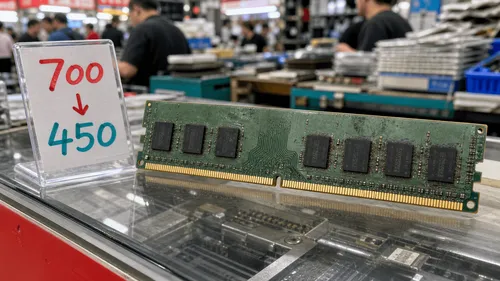
中国・華強北で中古16GB DDR4がピーク比3割超下落した一方、新品とDRAM契約価格はなお上昇している。局地的な値下がりと世界的な供給逼迫が併存する状況を読み解く。
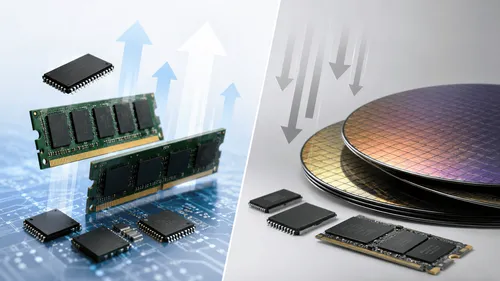
DRAM市場では供給能力の偏りから旧世代品が小幅続伸する一方、NAND市場では高値による買い控えで価格が下落しており、強気なAI需要の裏で二極化が進んでいる。この対照的な動きは供給制約と買い手の限界を露呈しており、今後の相場は取引量の推移が鍵となる。

AIデータセンターの急拡大に伴う高帯域幅メモリの需要増により、一般向けを含むメモリ市場全体で深刻な品薄と価格高騰が続いている。業界団体のSEMIは、政府の直接的な価格介入は市場を歪めるとして反対し、税制優遇などの財政支援を軸とした対策を提言した。
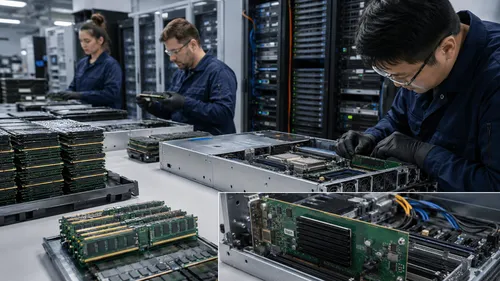
Metaは、退役サーバーから回収したDDR4メモリを最新世代のサーバーで再利用するための独自ASIC「Vistara」を実運用に投入した。CXL規格を介して古いメモリを低速な階層として活用することで、AI推論などのサーバー必要数を最大25%削減している。

Micronが複数の主要顧客と2030年までの長期供給契約を締結したことは、AI需要によるメモリー不足が長期化する見通しを裏付けている。この契約は供給枠の確保と引き換えに高水準の下限価格を設定しており、同社の将来的な収益安定性を強固にするものだ。
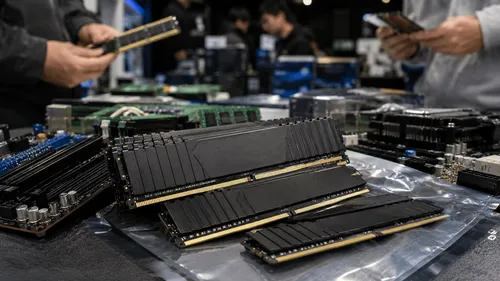
AI需要によるメモリ価格高騰を受け、自作PC市場では安価な旧規格DDR4の増産や対応製品の再投入が進んでいる。これは最新規格DDR5のコスト負担を避けたい層に向けた戦略であり、主要メーカーも旧世代プラットフォームの維持で需要を補う方針だ。

Micron Technologyは米バージニア州マナサス工場で1α DRAMの製造を開始した。これは、最先端AIサーバー向けHBMやDDR5の競争ではなく、AI需要の裏側で不足感が高まる車載や産業機器向けDDR4/LP4の供給を米国内で増強する施策だ。同社は20億ドル超を投じ、長期供給が求められる成熟メモリの国内生産体制を強化し、サプライチェーン強靭化に貢献する。

Samsung、SK hynix、Micronの主要メモリメーカー3社が、AIデータセンターの需要に応える次世代メモリ規格DDR6の開発を本格化させた。DDR6は最大17.6 Gbpsのデータ転送速度を実現し、2028年から2029年の商用化を目指すが、超高速化に伴う信号整合性や電力効率の課題解決、CAMM2/SOCAMM2などの新規格導入が鍵となる。
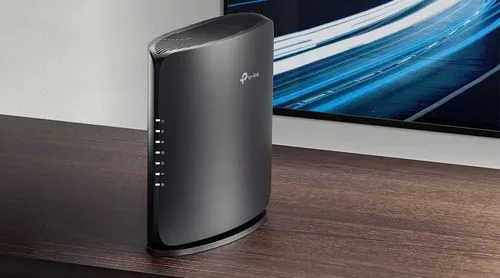
2026年のブロードバンド業界は、予期せぬ「供給の断層」に直面している。長らく安価なコモディティ製品として扱われてきたホームルーターやセットトップボックス(STB)が、AIサーバー向けのメモリ需要爆発という荒波に飲み込ま […]

2025年、世界の半導体産業はかつてない熱狂の渦中にあった。米国半導体工業会(SIA)が発表した最新データによれば、同年の世界売上高は前年比25.6%増の7,917億ドル(約118兆円)に達し、過去最高記録を塗り替えた。 […]

2026年1月22日、Samsung Electronicsは、市場を駆け巡った「全メモリ製品の80%一律値上げ」という噂を公式に否定した。台湾の聯合新聞網などが報じたところによれば、この情報は一部の代理店から流出したメ […]

2026年の幕開けとともに、テクノロジー業界、とりわけPC市場と自作PCコミュニティに激震が走っている。長らく懸念されていたメモリ(DRAM)の供給不足が、予測を遥かに上回るペースで深刻化していることが明らかになった。 […]

Samsung Electronicsが、主要顧客に対し「在庫なし(No stock!)」という異例の通告を行うとともに、次世代標準メモリであるDDR5の契約価格を約2倍に引き上げる動きを見せていることが明らかになった。 […]

2025年12月、世界のスマートフォン市場に激震が走っている。Micronによる消費者向けメモリブランド(Crucial)の一部事業撤退や、SamsungおよびSanDiskによるNANDフラッシュ供給遅延の報道が飛び交 […]
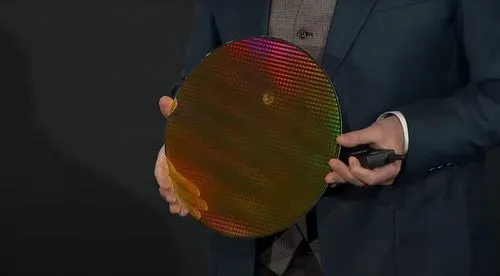
あなたが次に購入を検討しているPC、あるいはストレージを増設するためのSSDは、現在の想定価格では手に入らない可能性が浮上している。NANDフラッシュメモリの大手であるSandiskが、特定の顧客に対し11月の契約価格を […]

AI革命の波が、半導体市場の根幹を揺さぶり始めた。韓国メディアの報道によると、メモリ半導体の世界最大手であるSamsung ElectronicsとSK hynixが、2025年第4四半期に向けてDRAMおよびNANDフ […]
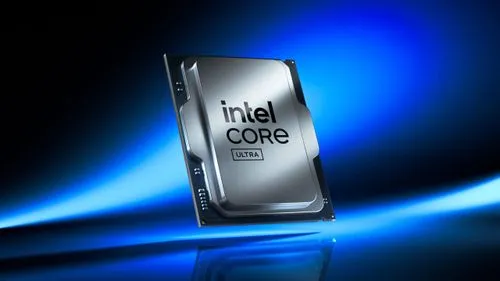
テクノロジー業界の常識は「最新こそ最良」であり、旧世代の製品は時間と共にその価値を下げていく。しかし今、その常識を覆すかのような異例の事態がPC市場で起きている。業界の巨人Intelが、数年前にリリースした「Raptor […]
FPGAs are increasingly utilized in data centers due to their ability to exploit parallelism in computationally intensive workloads. Modern workloads demand the transfer of vast amounts of information, making it essential to optimize communication between FPGAs and memory. This paper introduces a novel benchmarking platform for evaluating DDR4 memory performance in data-center-class FPGAs. The proposed solution features highly configurable traffic generation with complex memory access patterns defined at run time and can be flexibly instantiated on the target FPGA to support multiple memory channels and varying data rates. An extensive experimental campaign targets the AMD Kintex UltraScale 115 FPGA, encompassing up to three memory channels with data rates ranging from 1600 to 2400 MT/s. The results demonstrate the benchmaking platform’s capability to effectively evaluate DDR4 performance across various memory traffic configurations.
Multi-tenant FPGA cloud platforms present serious security challenges due to the shared nature of hardware resources, particularly memory. One major security risk in such environments is the threat of side-channel attacks. This work demonstrates that the Prime+Probe attack, traditionally implemented to target CPU caches, can be adapted to DDR4 memory by taking advantage of timing variations caused by contention at the row buffer level. By creating controlled memory conflicts using custom attacker and victim kernels on a Xilinx Alveo U250 accelerator, we measured variations in memory access latency that revealed the victim's access to specific memory rows. These timing variations expose access behavior and enable inference of memory usage patterns, even without shared memory or runtime interaction between the attacker and victim. Our results demonstrate that DDR4 memory, when shared between tenants, can leak information through timing-based side channels. The findings point to the need for stronger isolation strategies and improved resource management to secure multi-tenant FPGA systems against such vulnerabilities.
We propose OpenDRAM, a synthesizable high-performance DDR4 DRAM soft Memory Controller (MC) for FPGAs. Since DRAMs usually operate at a higher frequency compared to MCs (usually \(4\times\) ), to fully utilize DRAM’s bandwidth, the hardened DDR4 physical interface expects the controller to issue four DRAM commands in a single clock cycle. OpenDRAM is a modular, extensible MC, implementing high-performance bank-parallel schedulers. We detail the design of OpenDRAM’s logic blocks in RTL and their integration with existing AMD’s Memory Interface Generator (MIG) modules for initialization, maintenance, and interfacing. The integrated project was comprehensively validated on an AMD Virtex UltraScale+ FPGA. We evaluate and compare the performance of OpenDRAM with AMD’s MIG controller and another open source controller, OPRECOMP, using synthetic and accelerator kernels. Results show that OpenDRAM surpasses both commercial and open source counterparts, offering performance improvements of up to 157% over AMD’s MIG and 267% over OPRECOMP, primarily owing to its reordering and scheduling mechanisms. To demonstrate its research use case, we prototype five distinct command schedulers, exploring tradeoffs between scheduling aggressiveness and maximum frequency, and show how FPGA-aware design can enhance timing closure. Finally, we release OpenDRAM as the first high-performance, extensible, open source MC for researchers to utilize, extend, and build upon.
Multi-tenant FPGA cloud platforms face significant security challenges due to the shared use of hardware resources, particularly off-chip DDR4 memory. Timing-based side channels, such as Prime+Probe, allow adversaries to exploit row buffer contention and infer victim activity, threatening the isolation guarantees of cloud systems. In this work, we extend the Prime+Probe framework on a Xilinx Alveo U250 FPGA to evaluate countermeasures against DDR4 timing leakage. We implement three techniques: bank isolation, cache buffering, and noise injection, all of which can be applied entirely at the kernel level without hardware or cloud-level modifications. Our experimental results show that when deployed together, these defenses significantly suppress timing-based information leakage. This study provides quantitative evidence of mitigation effectiveness and offers practical strategies for securing FPGA cloud platforms against memory-level side-channel attacks.